


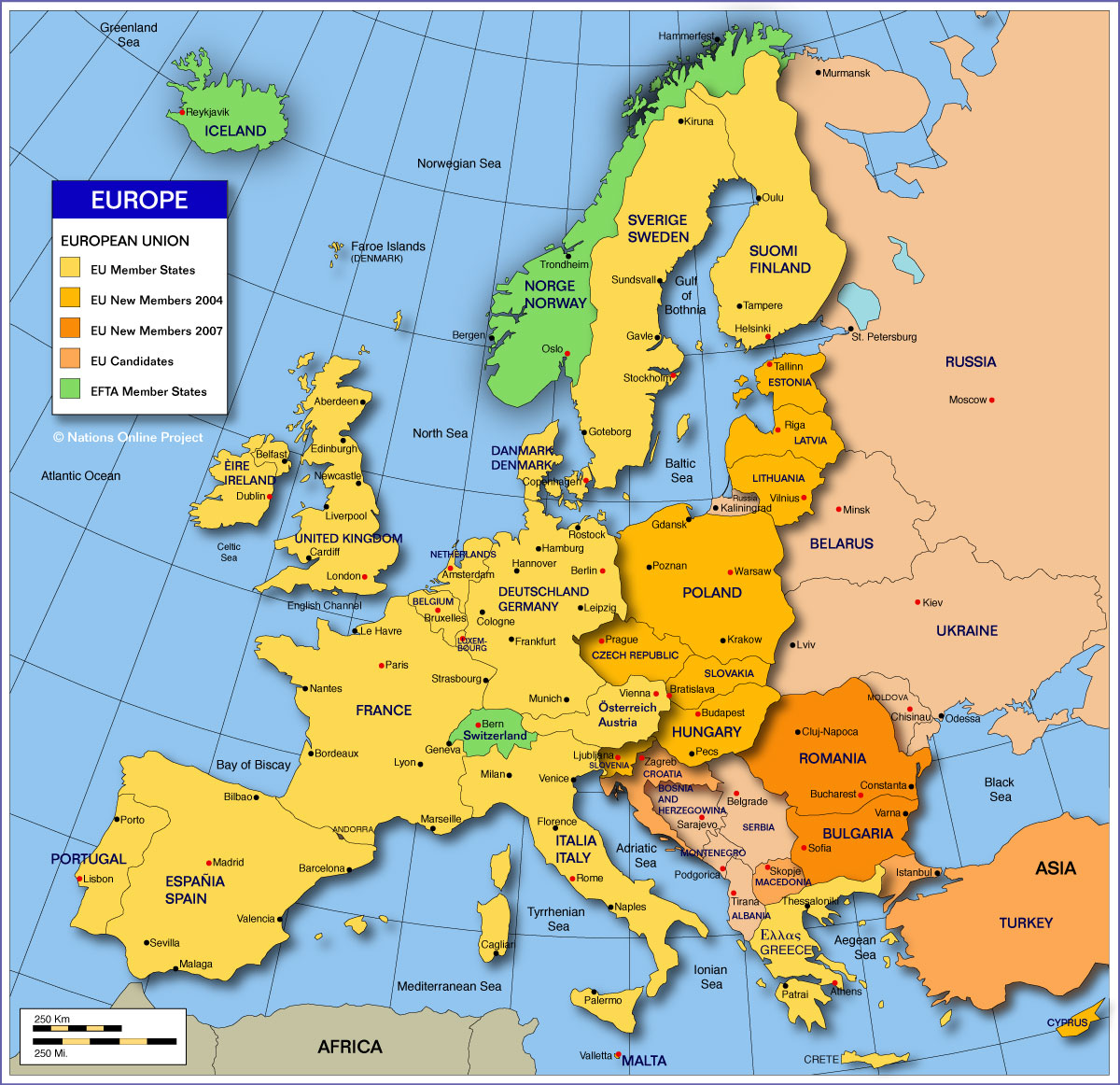
The IMF said that it would backstop some of the most troubled loans in Europe. It did not say exactly how, but offered several alternatives. The announcement might have been to placate the global capital markets as the Moody’s action raised the specter of a Greek default again.
John Lipsky, First Deputy Managing Director, International Monetary Fund said in a speech in Washington,
More recently the Fund’s Executive Board has approved enhancements to the IMF’s insurance-like facilities. The FCL has been made more attractive, notably by lengthening its tenure and raising its maximum level of support. And a new Precautionary Credit Line (PCL) has been added for countries with moderate vulnerabilities. Finally, our members recently agreed to double the total amount of IMF quotas, effectively doubling the Fund’s permanent resource base.
The IMF’s role in Greece should indicate that the nation has “moderate vulnerabilities” until such time as the IMF and EU say that its austerity programs and GDP growth rates have entire missed figures agreed on by both Greece and the EU’s other member nations. The increase in the IMF quotas are not in place without reason. The agency has prepared itself of a worst case, or nearly worst case, in the event that Greece teeters toward default, Ireland insists on a renegotiation of its credit facility, or a nation like Portugal needs capital to fund its national deficit.
The IMF is quick to say that its funds were designed to prevent contagion. That is only true if European nations are prepared to abandon a country to default, expel it from the euro zone and kill the euro altogether. There is no prime minister or finance minister in any of the financially weak countries in Europe who believes that any of those are an option for the stronger countries in the alliance and the IMF. Once the agency says it has facilities in place to fund troubled nations and plans to enhance them, the message is clear. The safety net for troubled countries will catch any of them that fall.
Douglas A. McIntyre






 Top Gaining Stocks
 Top Losing Stocks