


 Yum! Brands (NYSE: YUM) buried some of its essential P&L data and information about its US operations in its first quarter earnings release. Most of the highlights of the report are about China.
A look at Yum!’s basic figures show that it is really not a much of a growth company at all, and is a relatively small company at that. Yum! has 38,000 stores worldwide which include KFC, Pizza Hut, Taco Bell and Long John Silver’s. Its shares are up 45% over the last year compared to rival McDonald’s (NYSE: MCD) which have risen 22%. There are several reasons to think that Yum!’s advance will not last long.
Yum!’s revenue only rose 3% in the last reported quarter to $2.45 billion. Net income was up 10% to a very modest $264 million. Yum! actually shrank in the US. Same-store sales fell 1% and operating margins and profits fell as well.
By contrast, in the first quarter, McDonald’s revenue rose 9% to $6.11 billion. Net income was up 11% to $1.21 billion. Yum! is by far the smaller company. McDonald’s is growing faster by many measures.
Yum!’s pitch to Wall St. is based almost solely on its success in China. The US company recently said it would buy local food chain Little Sheep for $586 million, which was a 20% premium above where the Chinese firm’s shares traded before the offer. Yum!’s own same-stores sales in its China division rose 24% in the first quarter. But, the company’s operating profits for all of its international properties were up only 12% in the period. Sales in Europe, Australia, and Canada were flat.
Yum!’s success in China is based on sales from its 3,986 stores–3,312 of which are KFC outlets.
Yum!’s China operations may falter for several reasons. The first is because the company may not be able to pass along higher food costs to customers. Yum! expects commodity costs will rise 7% in China this year. It will not take much resistance from customers, if Yum! has to raise prices, to undermine its same store sales.
Many global economists expect a burst of the asset bubble in the People’s Republic to sharply cut GDP growth and consumer spending. The China consumer miracle may be short-lived. The Chinese could also be hit by higher energy costs. A slowing of the overall Chinese economy may be triggered by a drop in the need for Chinese exports in earthquake damaged Japan and economically compromised Europe. China’s recent drop in PMI may be an early signal of this problem.
Yum!’s risks in China go well beyond inflation and a softening of GDP. Yum! faces the same kind of labor problems on the mainland that have troubled Walmart (NYSE: WMT) and other US companies which do business there. Chinese unions pushed the issue of wage increases with Yum! last year. That is bound to continue. Labor will target Yum! because of its success. China’s organized work forces could certainly argue that workers should share the food retailer’s tremendous success.
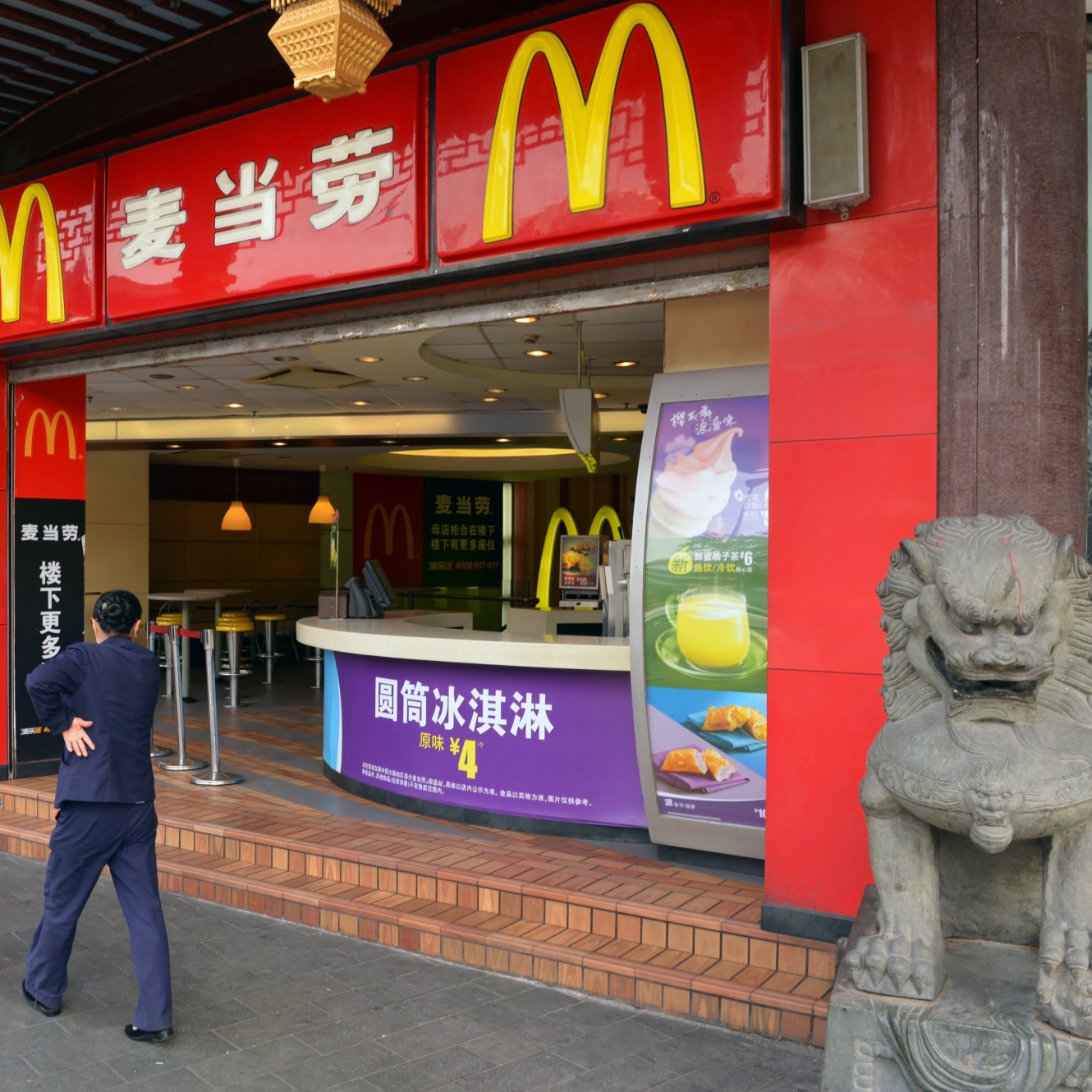
And, Yum!’s greatest challenge is China may be US-based fast food companies. McDonald’s, the largest firm in the industry, will not sit idly by and watch Yum! dominate the world’s most populous country. Subway, which is the largest fast food company on earth based on outlets, intends to continue to aggressively expand into China as well. Yum! may have made China such an attractive market that it has become irresistible to its competitors.
Yum! is what business school professors like to call a “one-legged stool.” Sales in the People’s Republic have to be strong enough to hold the company up. It has no other alternatives.
Douglas A. McIntyre






 Top Gaining Stocks
 Top Losing Stocks