


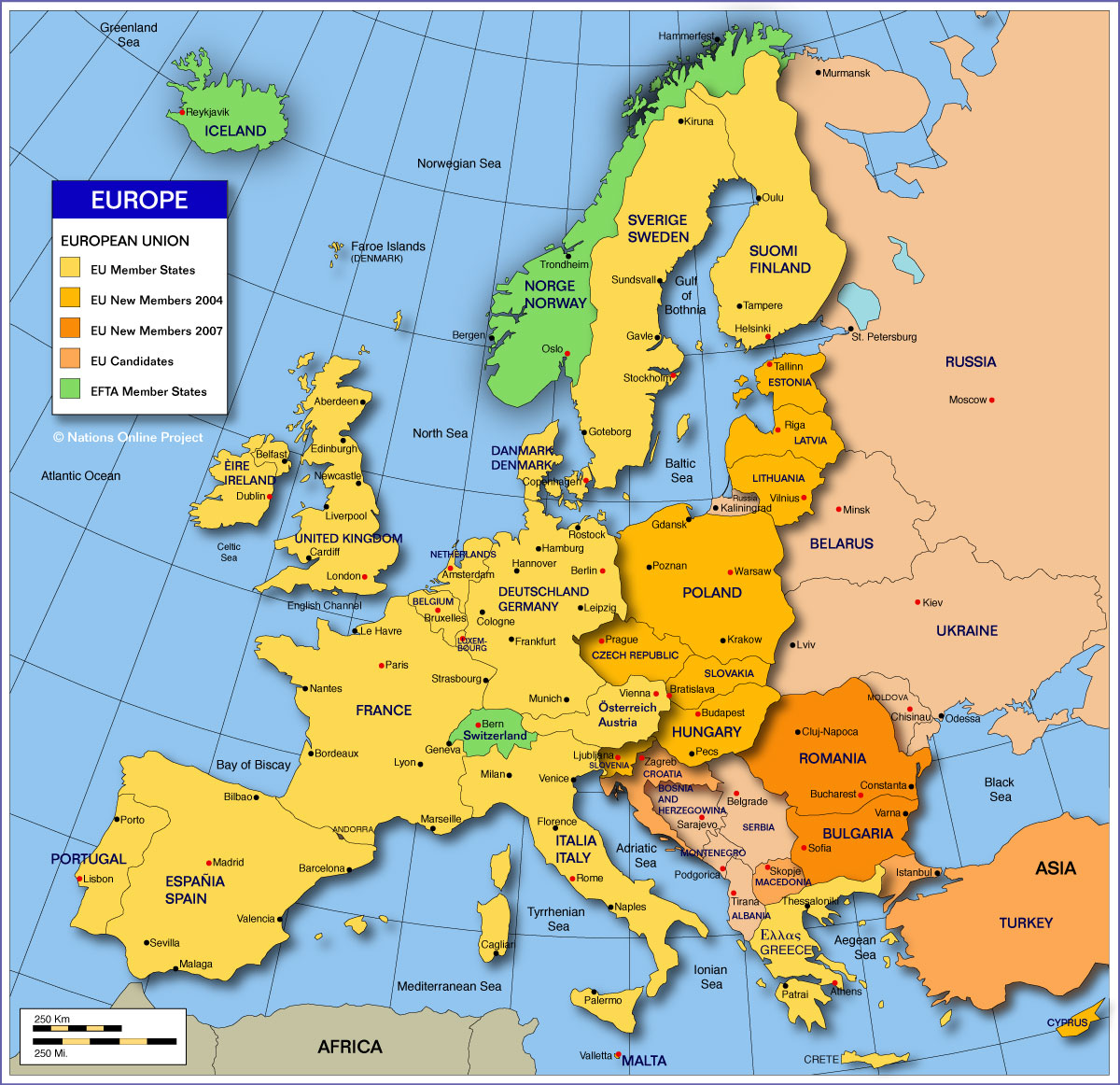
According to a report by Bloomberg, “If the Finnish and Greek deal isn’t acceptable to others, it’s now up to all euro members to together build a model that all find acceptable,” Finland’s Finance Minister Jutta Urpilainen wrote today in an e-mailed statement. The collateral demand was “no surprise” and will be maintained, she said. Finland wants money as a guarantee, but perhaps it would take other assets.
The idea that Greece should offer land that its government owns, and portions of utilities and other business it owns, is not new. German officials suggested a similar program months ago. It eventually was rejected as creating too high a hurdle to close a transaction to help Greece. That admission and the belief that the financial failure of Greece may blow apart the EU have caused the group’s largest members — France and Germany — to consent to more liberal terms. Now, France has its own budget problems, which also could cause a reexamination of the Greek bailout.
But, it is Finland’s objections that make the case that the EU has little future as a financial alliance. It has one of the smallest GDPs among the region’s countries — $239 billion. The GDP of the entire EU is $16.3 trillion. Yet, Finland can insist Greece offer it collateral directly. If Finland can insist upon that condition, why shouldn’t any other country in the region?
The EU may come undone within months, if not weeks, brought down by one of its tiniest members.
Douglas A. McIntyre






 Top Gaining Stocks
 Top Losing Stocks