


 No matter what kind of cargo a shipping company moves, that company is likely to be in some financial distress. Rates for moving containers, dry bulk, and oil are all way down as the global economy continues its snail-like recovery.
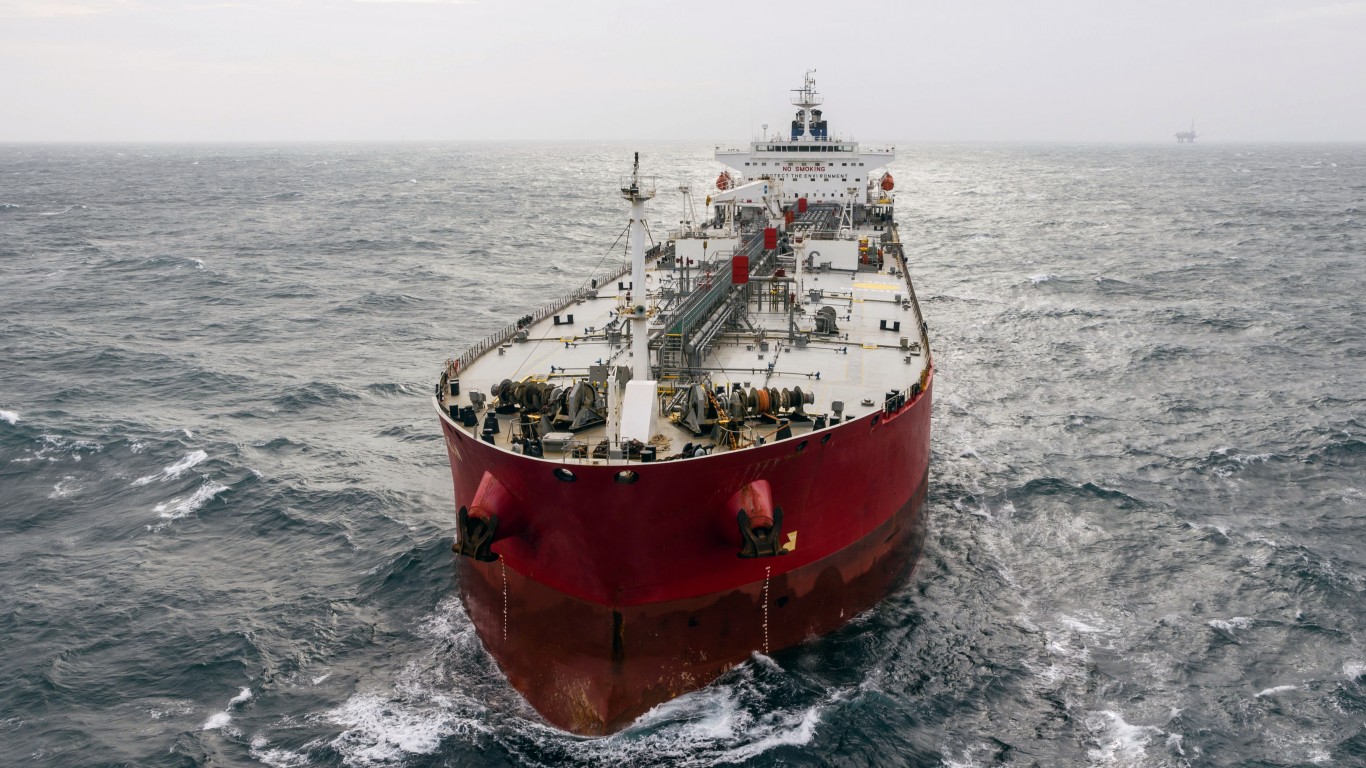
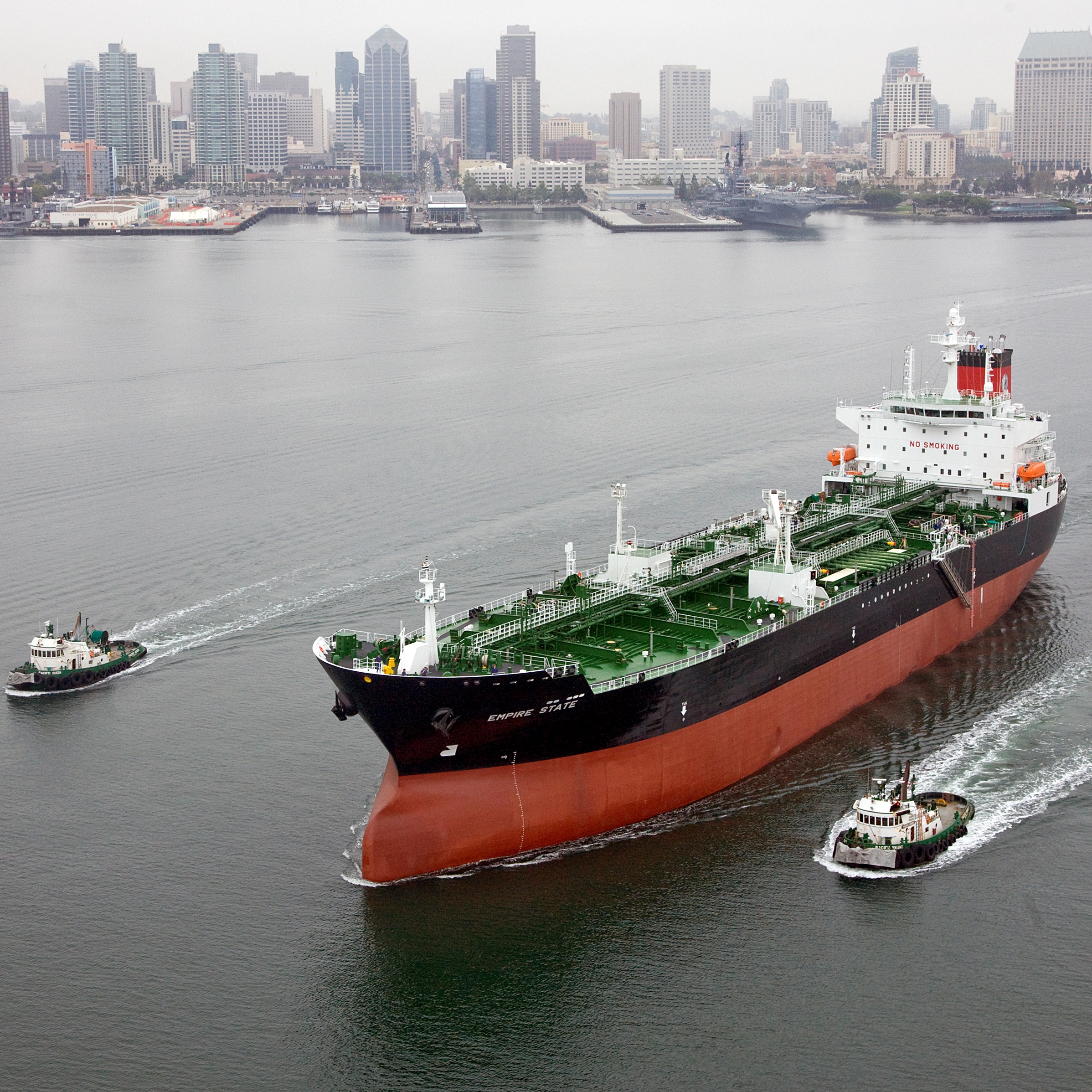
Oil carrier General Maritime Corp. (NYSE: GMR) recently received a debt rating from Moody’s that puts the company’s debt at just one notch above default. Omega Navigation (OTC: ONAVQ) has already filed for bankruptcy, as have several other smaller tanker operators. The big problem is over-supply of vessels. Other tanker outfits that will be affected include Teekay Tankers Ltd. (NYSE: TNK), Overseas Shipholding Group Inc. (NYSE: OSG), Nordic American Tanker Shipping Ltd. (NYSE: NAT), and Frontline Ltd. (NYSE: FRO).
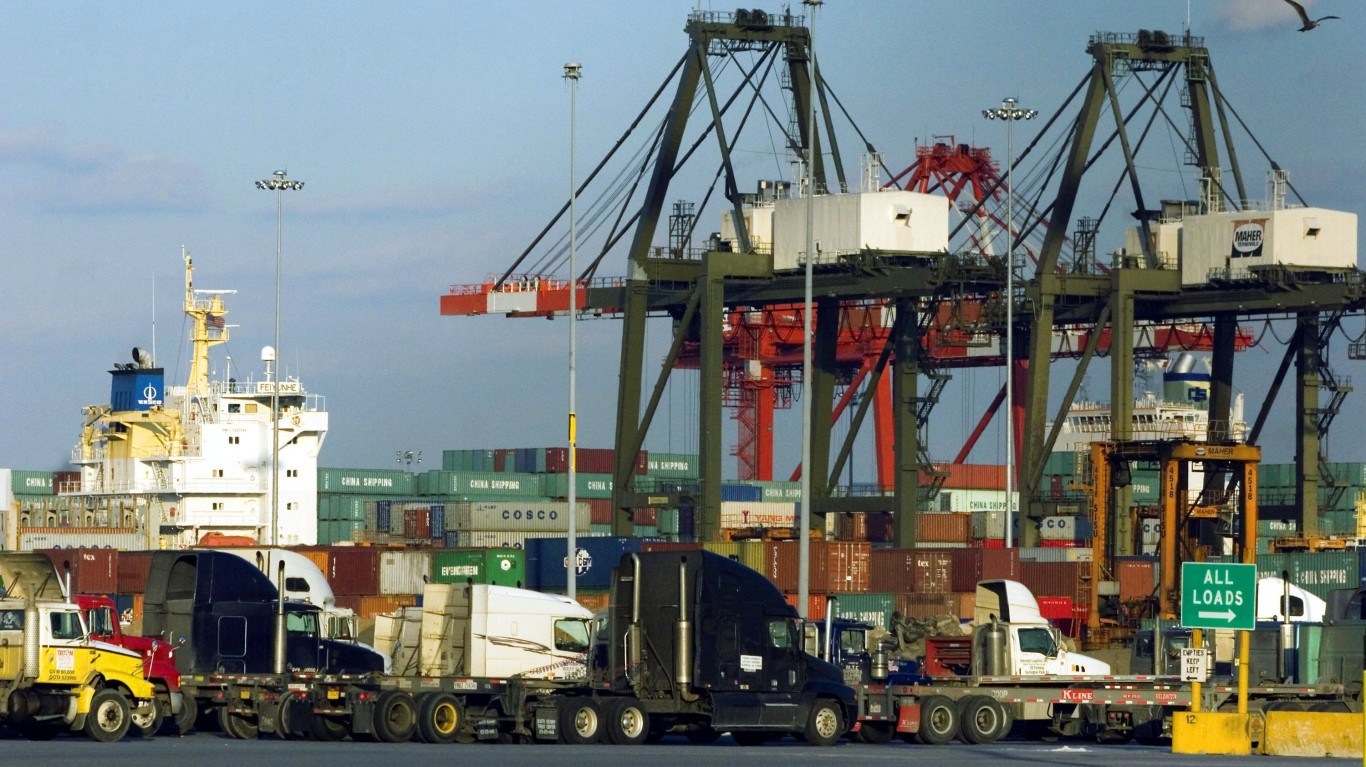
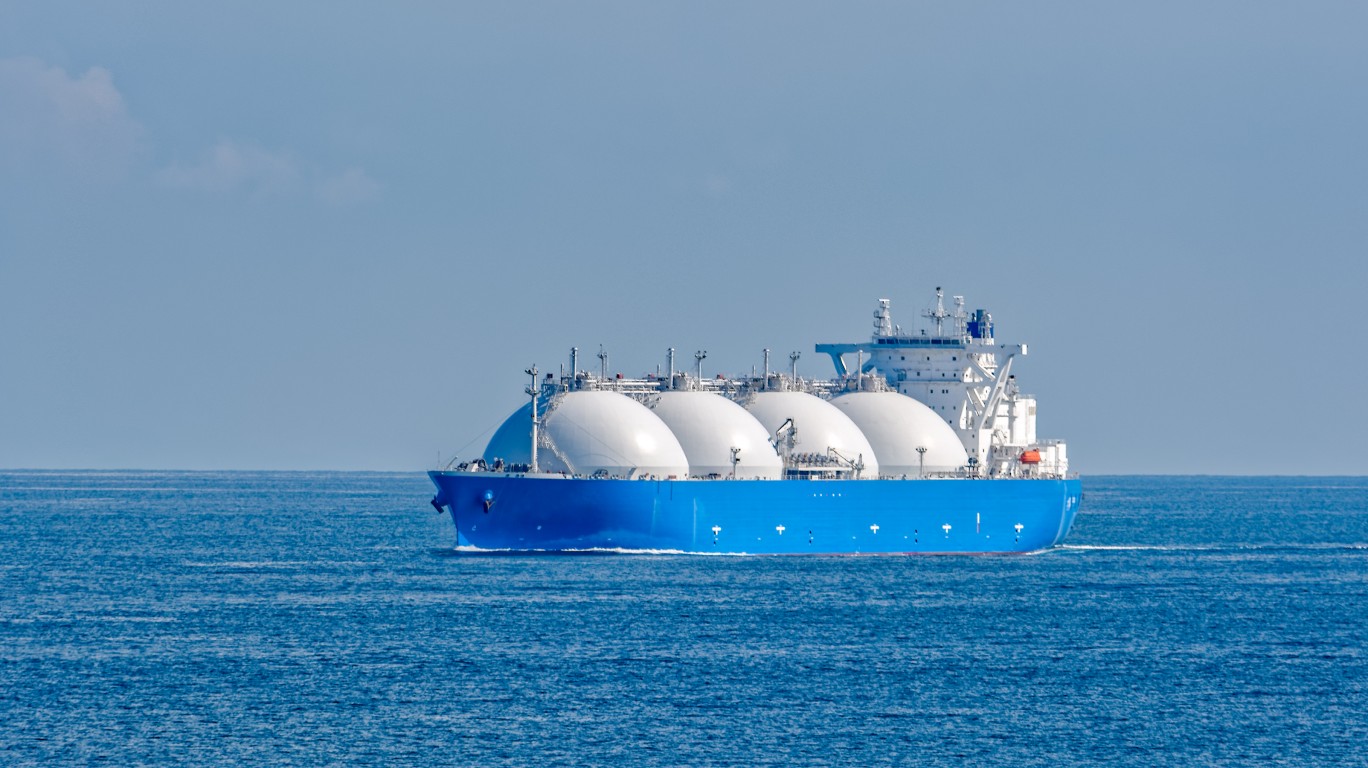
We noted last week the over-supply problems for container ships. Shippers ordered new vessels in 2007 and 2008, before the global economy went into paralysis. Now, those ships are being delivered and the added capacity is killing day rates. The container fleet has grown 17% since 2007 and new orders still to be delivered will increase the fleet size by another 28%. The dry bulk carrier fleet that hauls coal and iron ore and similar commodities is set to increase capacity by 36%. The very-large crude carrier fleet could expand by 14% this year alone.
In order to break even, the tankers must charge a day rate of nearly $30,000. The average short-term spot rate from the Persian Gulf to the Far East is now $1,795. Shippers try to make up for that by slow-steaming, which keeps the vessel on the water for a longer time, and by spending more time in port.
Shippers are burning through cash a a ferocious rate as they wait for rates to turn up, but that is not expected to happen for another year or more. Tanker outfit Teekay Tankers had less than half as much cash at the end of 2010 as it did at the end of 2008. Overseas Shipholding burned through nearly half its cash in 2010. Nordic American also saw its cash fall by nearly half in 2010.
Companies with relatively high charter numbers may be better able to weather the storm. Teekay Tankers claims that it has more than half its fleet chartered for the next 12 months, enough to cover all the company’s costs even if the rest of its ships are idled.
The world’s largest tanker operator, Frontline, claims to be on the lookout for buying opportunities as the smaller outfits collapse. With more than $300 million in cash available at the end of last year, the company is positioned to make good on that claim.
The demise of Omega and the possible collapse of General Maritime are a direct consequence of their dependence on the spot tanker market. Spot rates can be much higher than charter rates — and they can also be much lower. These two, and the other small carriers who bet on high spot rates, are headed for some very rough sailing.
Paul Ausick






 Top Gaining Stocks
 Top Losing Stocks