


 The rise of “green” initiatives may finally have begun to help the U.S. economy. New Bureau of Labors statistics claim that 3.1 million Americans were employed in green jobs in 2010. The agency admitted that the figures are hardly decisive. Rick Clayton, chief of the division of Administrative Statistics and Labor Turnover at BLS said, “To think that we could track an organic tomato would make the definition too broad and it would be uncollectible.” If the figures are even directionally correct, 4.4% of people in Vermont have green jobs, the highest among all states. In Florida, the rate is only 1.3%, the lowest.
Data Breaches on the Rise
Verizon (NYSE: VZ) released its “2012 Data Breach Investigations Report,” which said cybercrime continues to run wild. Among the findings:
This year our DBIR includes more incidents, derived from more contributors, and represents a broader and more diverse geographical scope. The number of compromised records across these incidents skyrocketed back up to 174 million after reaching an all-time low (or high, depending on your point of view) in last year’s report of four million. In fact, 2011 boasts the second-highest data loss total since we started keeping track in 2004.
And, for 24/7 Wall St. a summary of security tips from the report:
Point-of-Sale Security Tips
Greetings. You were given this card because someone likes your establishment. They wanted to help protect your business as well as their payment and personal information. It may be easy to think “that’ll never happen to me” when it comes to hackers stealing your information. But you might be surprised to know that most attacks are directed against small companies and most can be prevented with a few small and relatively easy steps. Below you’ll find a few tips based on Verizon’s research into thousands of security breaches affecting companies like yours that use point-of-sale (POS) systems to process customer payments. If none of it makes sense to you, please pass it on to management.
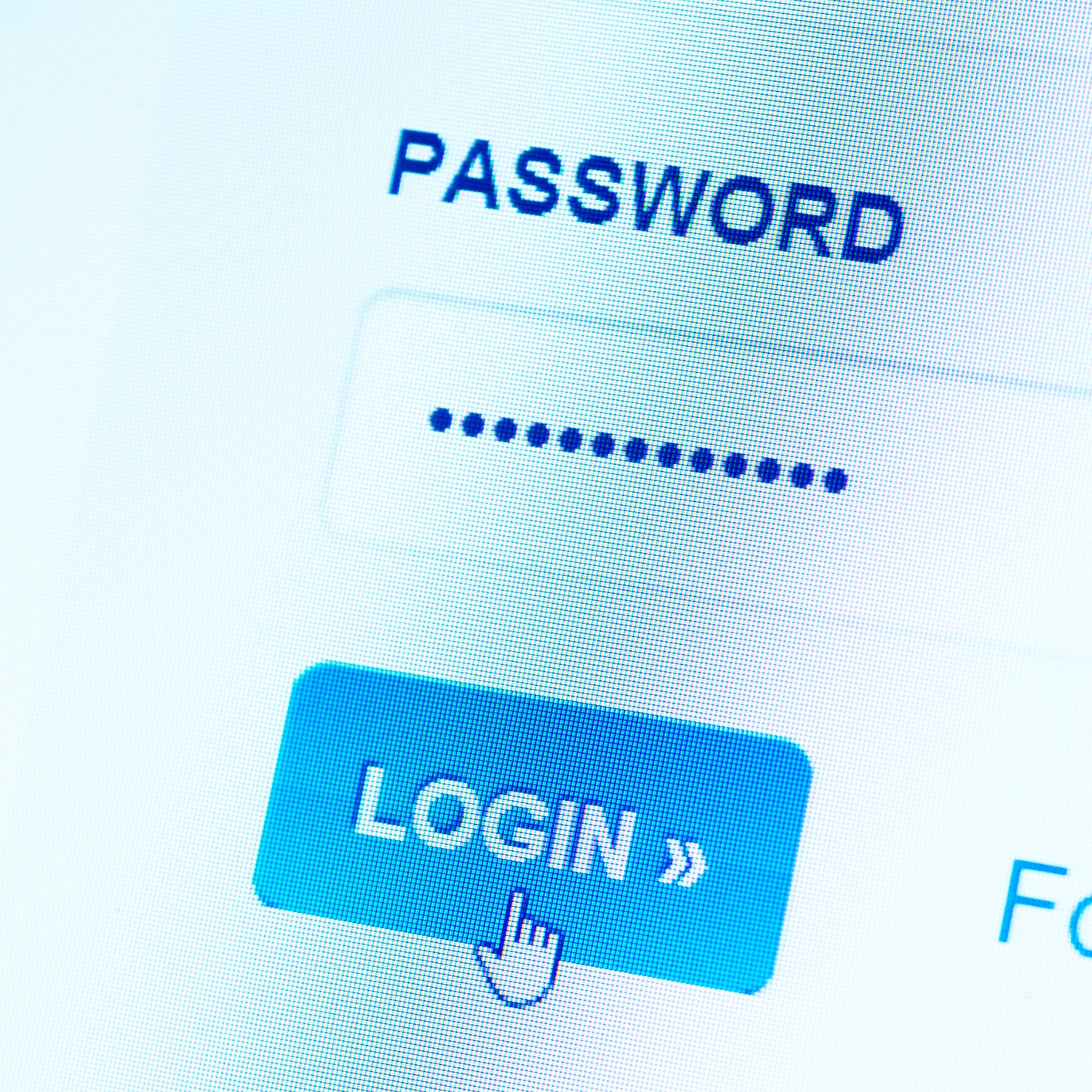
Change administrative passwords on all POS systems — Hackers are scanning the Internet for easily guessable passwords.
Implement a firewall or access control list on remote access/administration services — If hackers can’t reach your system, they can’t easily steal from it. After that, you may also wish to consider these:
• Avoid using POS systems to browse the web (or anything else on the Internet for that matter)
• Make sure your POS is a PCI DSS compliant application (ask your vendor) If a third-party vendor looks after your POS systems, we recommend asking them to confirm that these things have been done. If possible, obtain documentation. Following these simple practices will save a lot of wasted money, time, and other troubles for your business and your customers.
T-Mobile Struggles
Deutsche Telekom’s U.S.-based T-Mobile unit, the number four wireless carrier in the U.S., has found it barely can survive in a race dominated by AT&T (NYSE: T) and Verizon Wireless. The German parent hoped it had found a way out when AT&T offered to buy T-Mobile for $39 billion. The federal government blocked the plan. T-Mobile will lay off 5% of its work force. That will not be the end of it. Even larger rival Sprint-Nextel (NYSE: S) has been targeted as a candidate for Chapter 11. It has debt problems that T-Mobile does not. However, scale has become essential in a U.S. market in which the total number of wireless subscribers is not growing any more and firms must steal one another’s customers. T-Mobile has the least scale of all.
Oil Supply Outages
Researchers have discovered another reason why oil prices are so high. Reuters reports that global supply outages robbed the market of 1.2 million barrels of crude a day in March. Among the causes were civil unrest and technical problems. Reuters explained, “While disruptions of supply to the world oil market are commonplace, it is rare and perhaps unprecedented that such a large volume of oil is offline at any one time outside a single major disruption.” The problem may not be resolved soon. The U.S. has not released any of its Strategic Petroleum Reserve, as was hoped. The Saudis say they will increase production enough to offset drops in output elsewhere, but that has not pushed prices lower. And the Iranian threat to oil ship passage through the Strait or Hormuz has not ended.
Douglas A. McIntyre












 Top Gaining Stocks
 Top Losing Stocks