


 Google (NASDAQ: GOOG) announced it will propose to shareholders that it have a new share structure. Many investors believe the proposal favors the power of the founders too much. Those investors can sell their shares, if they believe that is an effective protest.
Today we announced plans to create a new class of non-voting capital stock, which will be listed on NASDAQ. These shares will be distributed via a stock dividend to all existing stockholders: the owner of each existing share will receive one new share of the non-voting stock, giving investors twice the number of shares they had before. It’s effectively a two-for-one stock split — something many of our investors have long asked us for. These non-voting shares will be available for corporate uses, like equity-based employee compensation, that might otherwise dilute our governance structure.
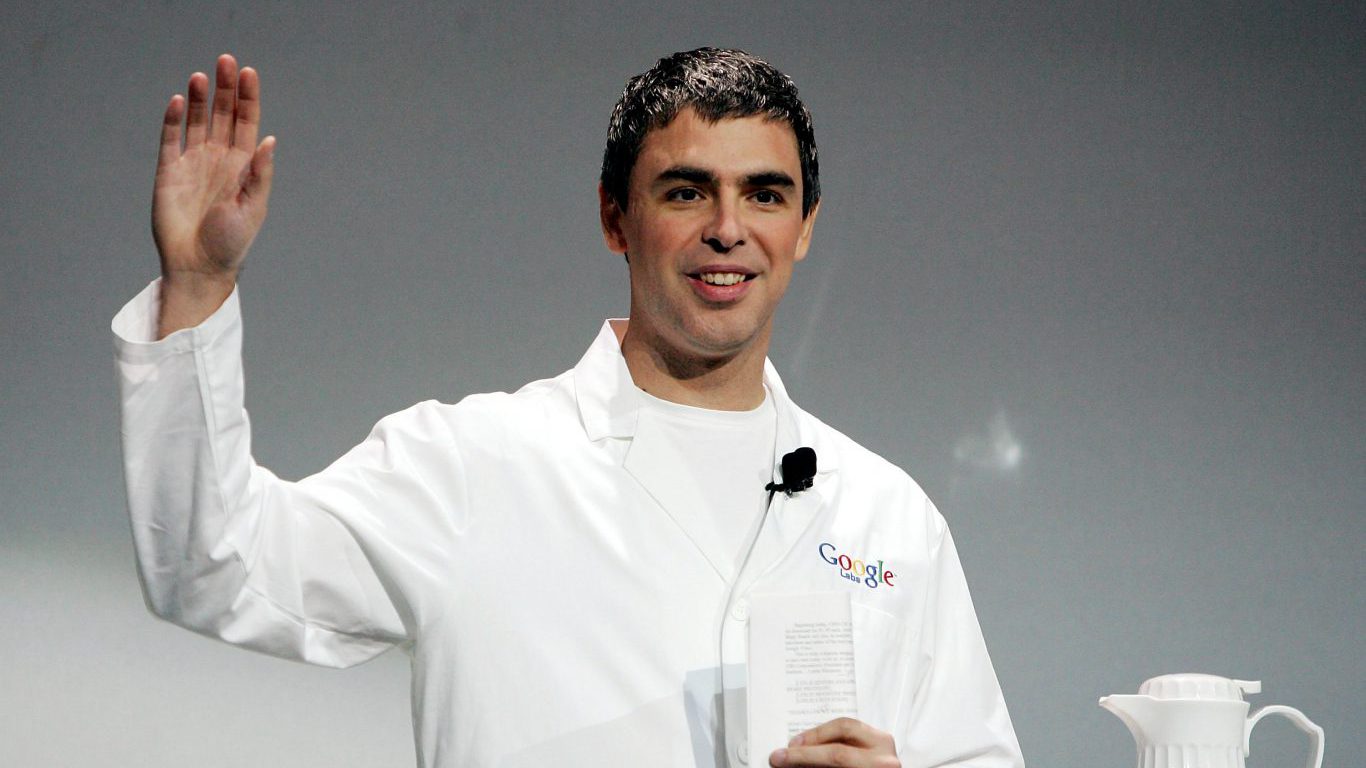
Larry Page and cofounder Sergey Brin admitted the structure is unusual and perhaps even objectionable to some stockholders: “We recognize that some people, particularly those who opposed this structure at the start, won’t support this change — and we understand that other companies have been very successful with more traditional governance models.” The plan, the two believe, shields Google from short-term pressure because of decisions that might take away some of the firm’s independence. The other side of that argument is that the two men are essentially dictators.
There is nothing new about a dual-share structure, particularly at media companies. Family controlled firms, including the New York Times (NYSE: NYT), Viacom (NASDAQ: VIA) and News Corp. (NASDAQ: NWS), have used such measures to keep family or founder control. There is no evidence that the structure has hurt shareholders. As a matter of fact, public corporations controlled by Sumner Redstone, Rupert Murdoch and Warren Buffett have done relatively well.
The decision by investors to keep Google’s shares is one that weighs corporate control against remarkable results and share performance. Google reported revenues of $10.65 billion for the quarter ended March 31, 2012, an increase of 24% compared to the first quarter of 2011. GAAP net income in the first quarter of 2012 was $2.89 billion, compared to $1.80 billion in the first quarter of 2011. Google still relies too much on its search advertising business, but it claims its diversification into mobile platforms will change that.
Brin and Page can argue that shareholders have done well despite the firm’s share structure. Google’s stock is up almost 40% in the past five years while the S&P 500 is down slightly. Peeved investors can give up those kind of results. Then they have to figure out where else to put their money to get similar returns.
Douglas A. McIntyre






 Top Gaining Stocks
 Top Losing Stocks