


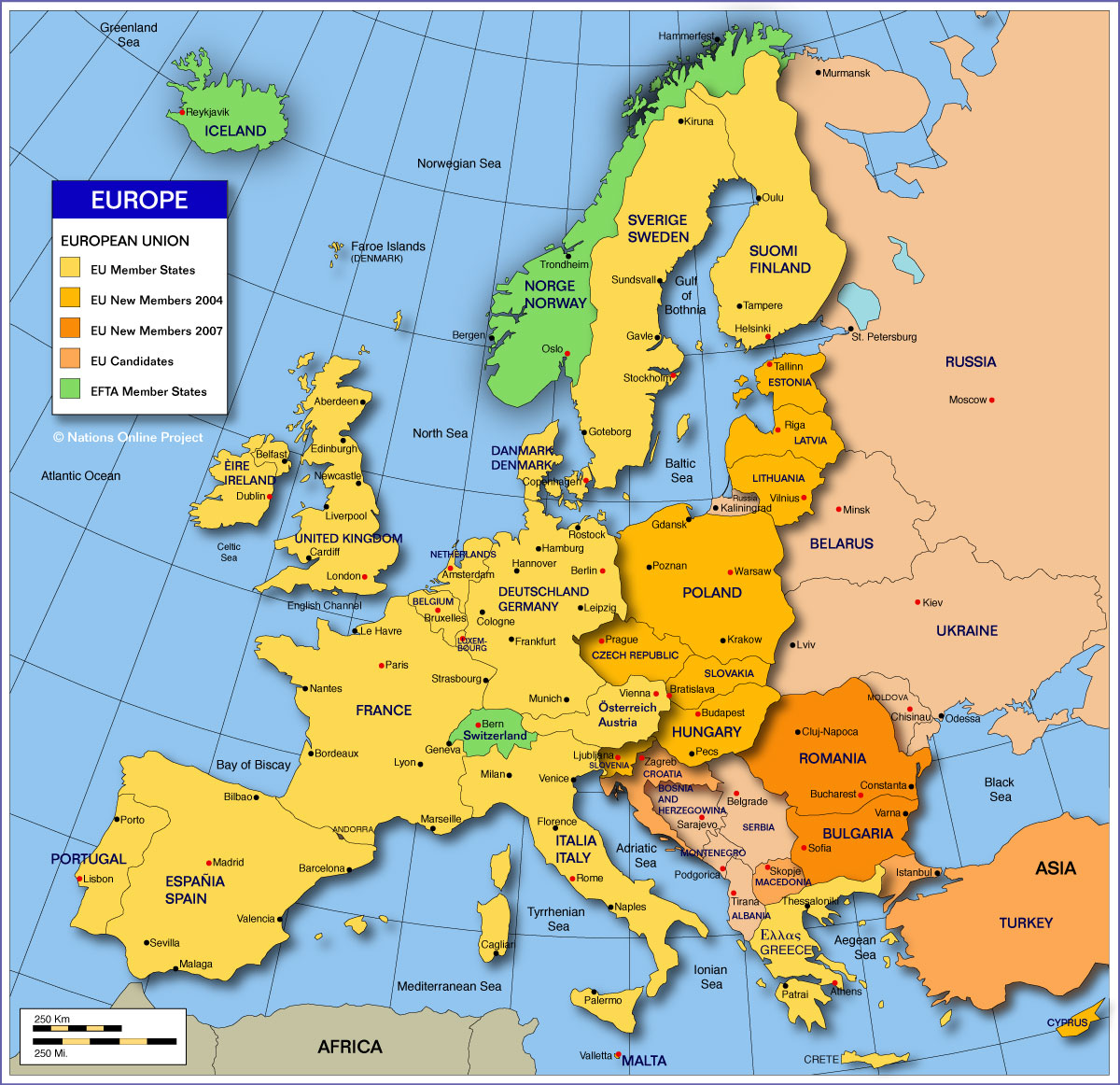
The politicians and policy makers of the region made a reasonable case that the money they supplied was adequate, but they blundered when it came to the fear about sovereign debt risk. Now, it has begun to cost Spain, Italy and other southern European nations. The debt crisis, which appeared to be tamed just a month ago, is back with a vengeance.
As the debt problems of Greece were settled, at least for a time, officials created the European Stability Mechanism, which is to be funded at a 500 billion euros level this summer. The fund was made to appear larger as these officials added 300 billion euros, almost all of which were already committed to Greece, Ireland and Portugal as part of the facilities set in March. Seventeen finance ministers said as they established the new, larger fund, “Finally, robust firewalls have been established.” It seemed that assessment was right, at least for little while. The borrowing costs of most of the financial weakest nations dropped to sustainable levels.
Something went wrong very recently as borrowing costs for Spain soared. Those of Italy increased, as well. The capital markets’ faith in the new bailout funds eroded almost over night. The change in perception was fast, and it was also brutal. Spain’s borrowing costs rose to more than 6% for 10-year notes. Most economists believe that the Spanish government cannot sustain these rates and bring down deficits too. The borrowing costs cannot even be offset by the huge austerity budget cuts the government has proposed.
There are two reasons for the sudden change of heart about Spain. One is that many experts claim that austerity will create a long recession in Spain. This recession will cut receipts to its treasury at a time when unemployment is near 25%, local banks are in deep financial trouble, and some of the country’s states are nearly insolvent. The belief that austerity is a better way to balanced budgets than stimulus has lost the markets’ support.
The less obvious reason for the change in perception about Spain’s sovereign obligations is that the world’s richest nations, as measured by gross domestic product, have not added to the International Monetary Fund’s war chest for European bailouts. Nor have they been direct buyers of the debt in the most troubled countries. The U.S., UK, China and Japan mostly have sat on the sidelines. It is reasonable for nonpublic investors to ask why. Several of these nations face austerity drives of their own, so it may not be politically acceptable to help Spain or Italy. However, Europe should be a strategically important enough region economically that these countries, which together dominate global GDP, ought to rally to aid for the region.
Austerity may have lost the confidence of investors, but the passiveness of the largest countries has been even more harmful.
Douglas A. McIntyre






 Top Gaining Stocks
 Top Losing Stocks