


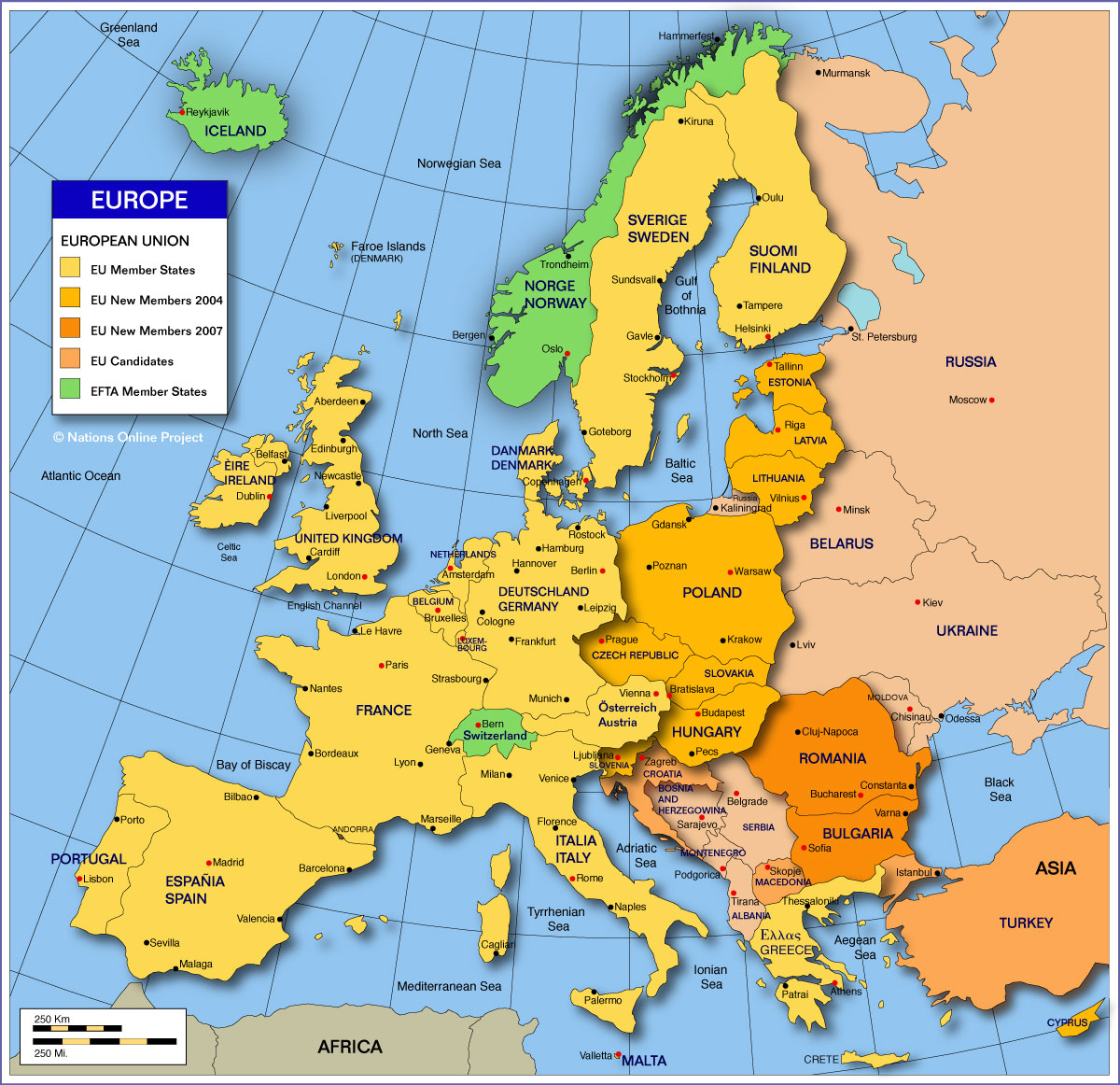
Unemployment in the Euro17 — basically all but the Eastern European countries — rose in March to 10.9%, up from 10.8% in February. For the entire Eurozone, the Euro27, unemployment in March was flat with February, at 10.2%. In March 2011, Euro17 the unemployment rate was 9.9%; for the Euro27 the rate was 9.4%. These are the highest numbers since 2000. By comparison, in the US, March unemployment stood at 8.2% and in Japan the unemployment rate was 4.5%.
Unemployment is worst in Spain, with a rate of 24.1% in March, and Greece, where 21.7% of workers are unemployed. In January of 2011, Spain’s unemployment rate was 20.8% and Greece’s rate was 14.7%. Among young people (under the age of 25), the unemployment rate for the Euro27 is 22.6% and 22.1% in the Euro17, up from 21% and 20.6%, respectively, a year ago. In Spain, the unemployment rate among the young was 51.1% in March, and in Greece the rate was 51.2%.
Austria claims the lowest unemployment rate in Europe, at 4.0%, with the Dutch rae at 5% and the German rate at 5.6%. Unemployment in France now stands at 10%. The German rate has fallen from 6.2% a year ago, while the rate in France has risen from 9.6%.
Combined with the surprisingly bad numbers on European PMI, the unemployment numbers indicate that the Eurozone economy is a long way from recovery. In fact, the strict austerity regimes demanded by Germany, France, and some others, have caused unemployment to rise and manufacturing to fall. The reason is simple: no one has any cash or any desire to spend the cash they do have or any way to earn cash or any way to borrow. It’s a demand problem that the Eurozone insists on treating as fiscal problem.
Eventually the Germans and the French and the British will change their tune because the existing governments will get kicked out. And it looks like the oustings will begin this Sunday in France.
The Eurostat data is available here.
Paul Ausick






 Top Gaining Stocks
 Top Losing Stocks