


l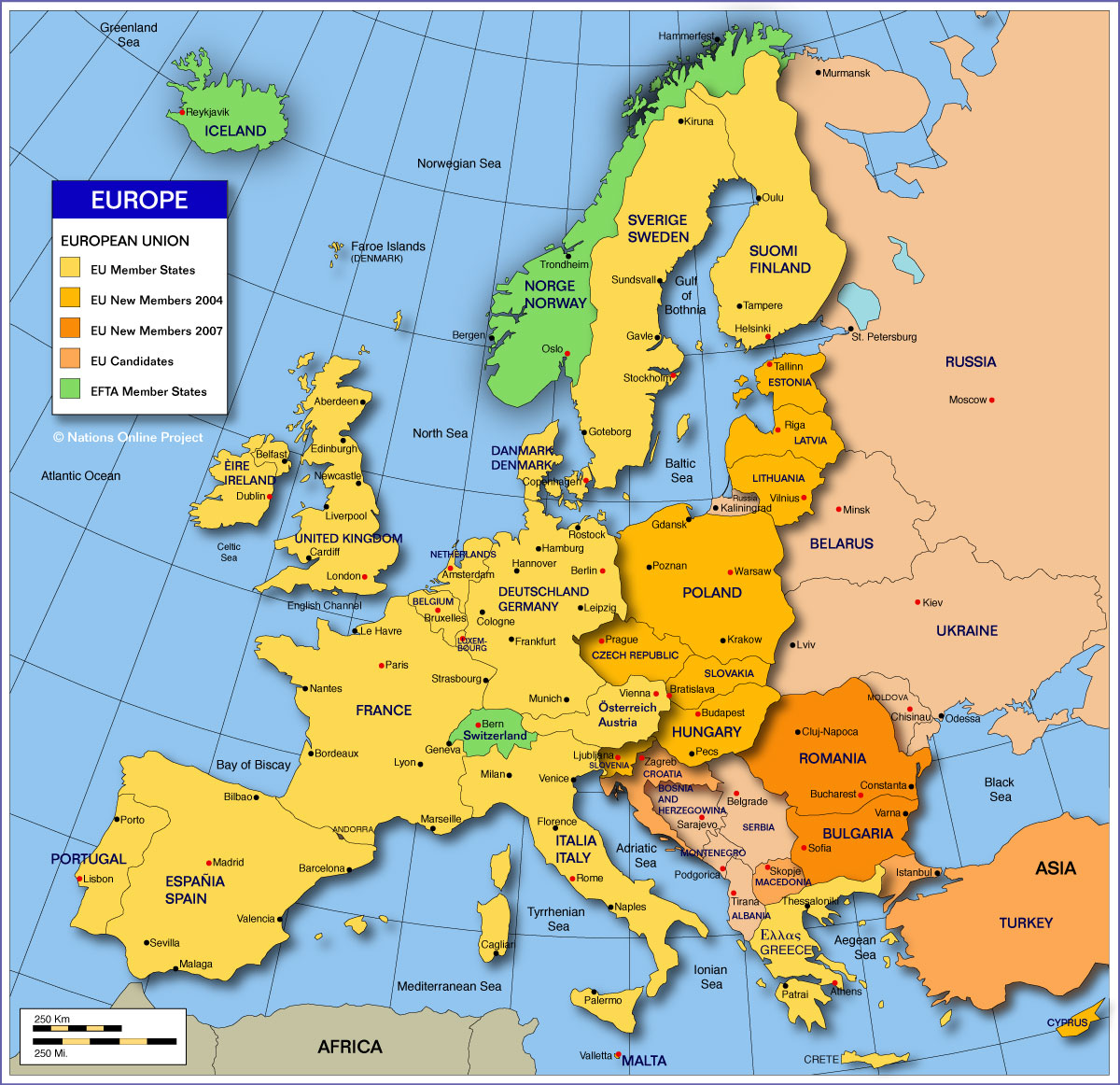 Eurostat announced the October unemployment level for what is calls the euro area, or the 17 nations at the heart of the eurozone. The number was 10.3%, up from 10.1% a year ago. The most troubling information from the research is the extent to which joblessness has virtually crippled the region in a way that will make a broad economic recovery in this decade impossible:
Among the Member States, the lowest unemployment rates were recorded in Austria (4.1%), Luxembourg (4.7%) and the Netherlands (4.8%), and the highest in Spain (22.8%), Greece (18.3% in August 2011) and Latvia (16.2% in the second quarter of 2011).
The news was better in the region’s largest economy: German unemployment was 5.5%. However, even the region’s second largest nation by GDP has struggled. French unemployment was 9.8% in October.
It has been said often, but should be repeated, that an economy in which the weakest sectors have double-digit unemployment cannot recover quickly. Without an aggressive stimulus package, it cannot recover at all. Europe’s government support for business and individual unemployment is almost completely in the opposite direction. Austerity has sapped whatever money governments might put into their own economies. New higher taxes in the name of deficit reduction are regressive and likely to slow GDP growth.
There are no solutions to the problems right now. Spain, for example, has no export businesses that will help cut its jobless rate from more than 20%. Consumer spending in the country will not rise with unemployment at that level. The recession in Spain can only deepen. The government is financially crippled by debt and what it must pay as interest to raise money for its treasury.
The International Monetary Fund may try to rescue the eurozone, perhaps with the aid of sovereign paper purchases by the European Central Bank. The stability fund created by the region’s nations may begin to operate sooner than planned. But it is not large enough to cover the financial fallout if Spain or Italy default. In such an environment, finding money to stimulate employment is impossible.
The Eurostat numbers hardly could be worse. They are proof that there is no foundation for a consumer recovery, but only a huge and disabling weight the governments in the region cannot remove.
Douglas A. McIntyre






 Top Gaining Stocks
 Top Losing Stocks