


 Industrial production in the United Kingdom slowed in April, another sign that the economy there has fallen into recession. The Office of National Statistics reported:
The seasonally adjusted Index of Production fell by 1.0 per cent in April 2012 compared with April 2011.
The seasonally adjusted Index of Manufacturing fell by 0.3 per cent in April 2012 compared with April 2011.
The seasonally adjusted Index of Production remained unchanged between March 2012 and April 2012.
The seasonally adjusted Index of Manufacturing fell by 0.7 per cent between March 2012 and April 2012.
The news will prompt more attacks on the prime minister, who continues to insist that austerity is the better path to a balanced budget, rather than stimulus investments. So far, the evidence is against that. And, with the second quarter nearly over, there may be proof soon that GDP improvement has worsened along with most other data.
Saudi Arabia and OPEC
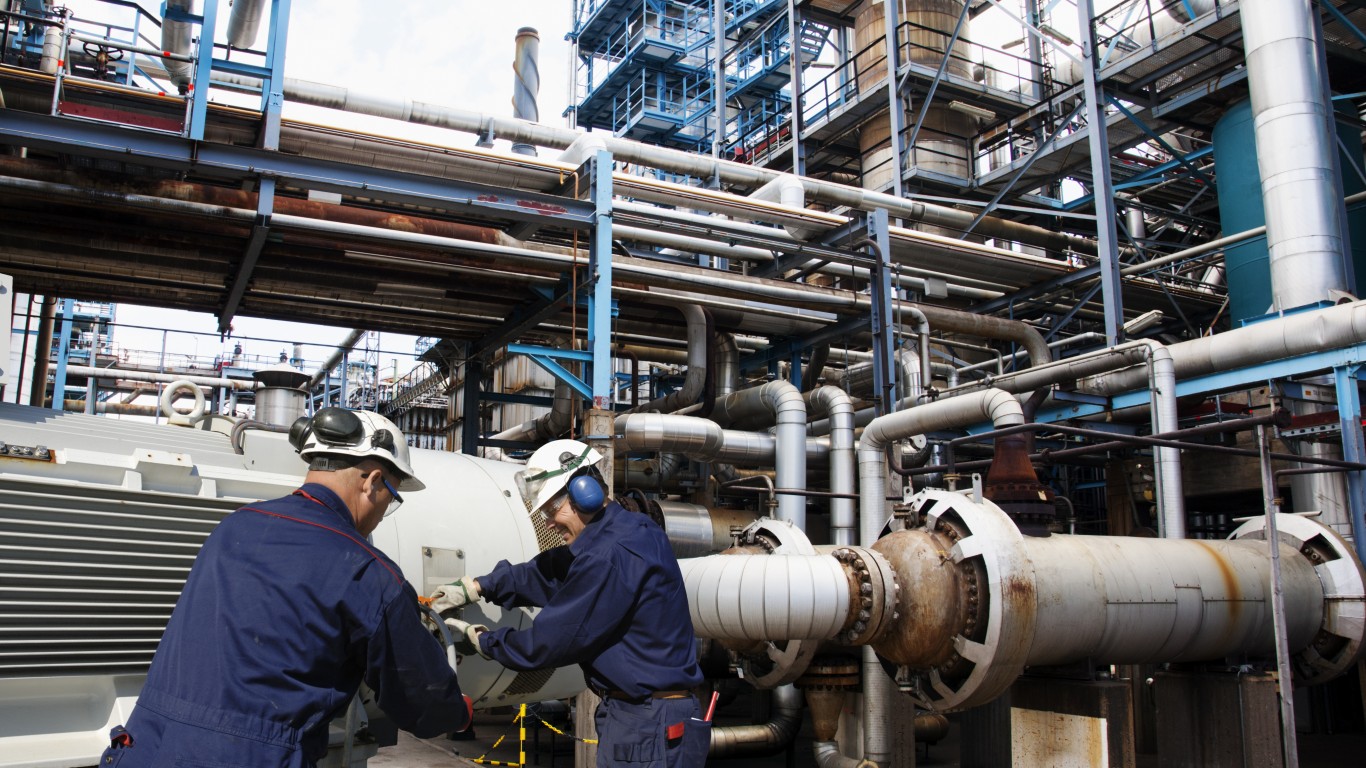
There are reports that Saudi Arabia may battle with its fellow OPEC members over near-term oil production. The Saudis have supported high exports recently, which has helped the price of crude to drop as global economic activity has slowed. Saudi Arabian Oil Minister Ali al-Naimi’s comments about production have been cagey, but most analysts expect the Saudis will win the fight, because among OPEC nations Saudi Arabia has the lion’s share of shipments. Other OPEC members have good reason to want to curtail shipments. Their treasury balances will be hurt by the drop in Brent from $120 to $100. These oil price hawks are willing to gamble that the high prices will not knock the global economic recovery off of its axis. That argument is weak because the worldwide recovery anticipated for this year is already at great risk.
Most Expensive Cities
Human resource company Mercer has released its study of the most expensive places to live. This is for expats, not the locals. At the top of the list is Tokyo, which is usually close to that position. Luanda in Angola was the second most expensive. It is ironic that a city in one of the world’s most developed nations should be next to one among the least developed. The world’s largest metropolitan areas were also near the top of the list — Paris, New York, London and Shanghai. Since so many multinationals have operations in these cities, and because they are such great centers of commerce, their presence on the list is no shock. Also not shocking is the city at the bottom of the list: Karachi in Pakistan. What expat would not reject the chance to move there?
Douglas A. McIntyre








 Top Gaining Stocks
 Top Losing Stocks