


 India remains in the Dark Ages among developing nations largely because of its culture and its broken political system. It might be the next China, with its huge population and rapid GDP growth, but the government of the world’s second-largest nation by population has been reluctant to allow foreign companies in. These companies might build needed infrastructure or produce and sell modern goods and services in India. Yet, the central government has kept them out, largely to protect local enterprises.
Another major reason India stands out among the world’s largest countries is that it refuses to allow most of its residents to rise politically and economically much beyond its old caste system. That system puts women at a disadvantage as well, as a new study by TrustLaw shows. India is the worst country for women among the G20 nations. The measurement of the ranks are based on: “Policies that promote gender equality, safeguards against violence and exploitation and access to healthcare.”
Among the same set of 20 countries, Canada places first. Germany, Britain, Australia and France rank behind Canada. Completing the bottom of the list are Indonesia, South Africa, Mexico and Saudi Arabia. Most educated people with knowledge of these countries would not be surprised. Government support for women’s equality is lacking even though the political systems in the countries vary widely. Mexico and India are close to being democracies. Saudi Arabia is a de facto dictatorship. These nations have one thing in common; they keep woman at the bottom of the social ladder because their leaders can.
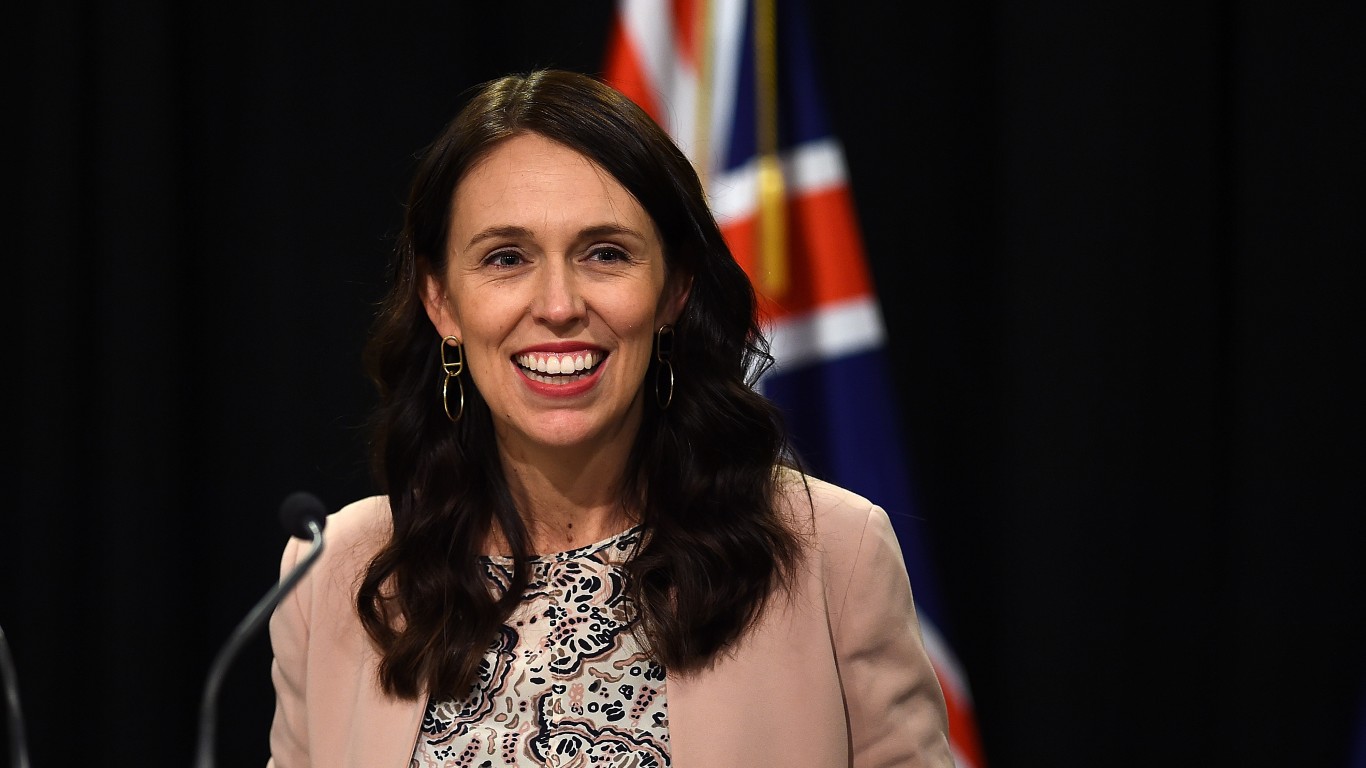
At the top of the list of countries that support women’s rights are nations that have been true democracies for decades. The role of women, and the related role of minorities, have allowed Germany to have a female head of government and the United States to be led by a black man. Kim Campbell served as Canada’s first woman prime minister in 1993. Margaret Thatcher served in the UK. Julia Gillard holds the prime minister’s role in Australia. Oddly, India had a female prime minister, Indira Gandhi, who had the job off and on between 1966 and 1984. She had a unique advantage. Her father, Jawaharlal Nehru, was India’s first premier. Her role was based on her position in a powerful family and not her sex. But her years as the nation’s top politician did nothing to help women in India.
There is every reason to believe that the roles of women in nations such as India and Saudi Arabia will not change. On the top of the political and wealth ladders are men who can do largely as they please, and at the core of that is keeping themselves and those like them in power.
Douglas A. McIntyre











 Top Gaining Stocks
 Top Losing Stocks