


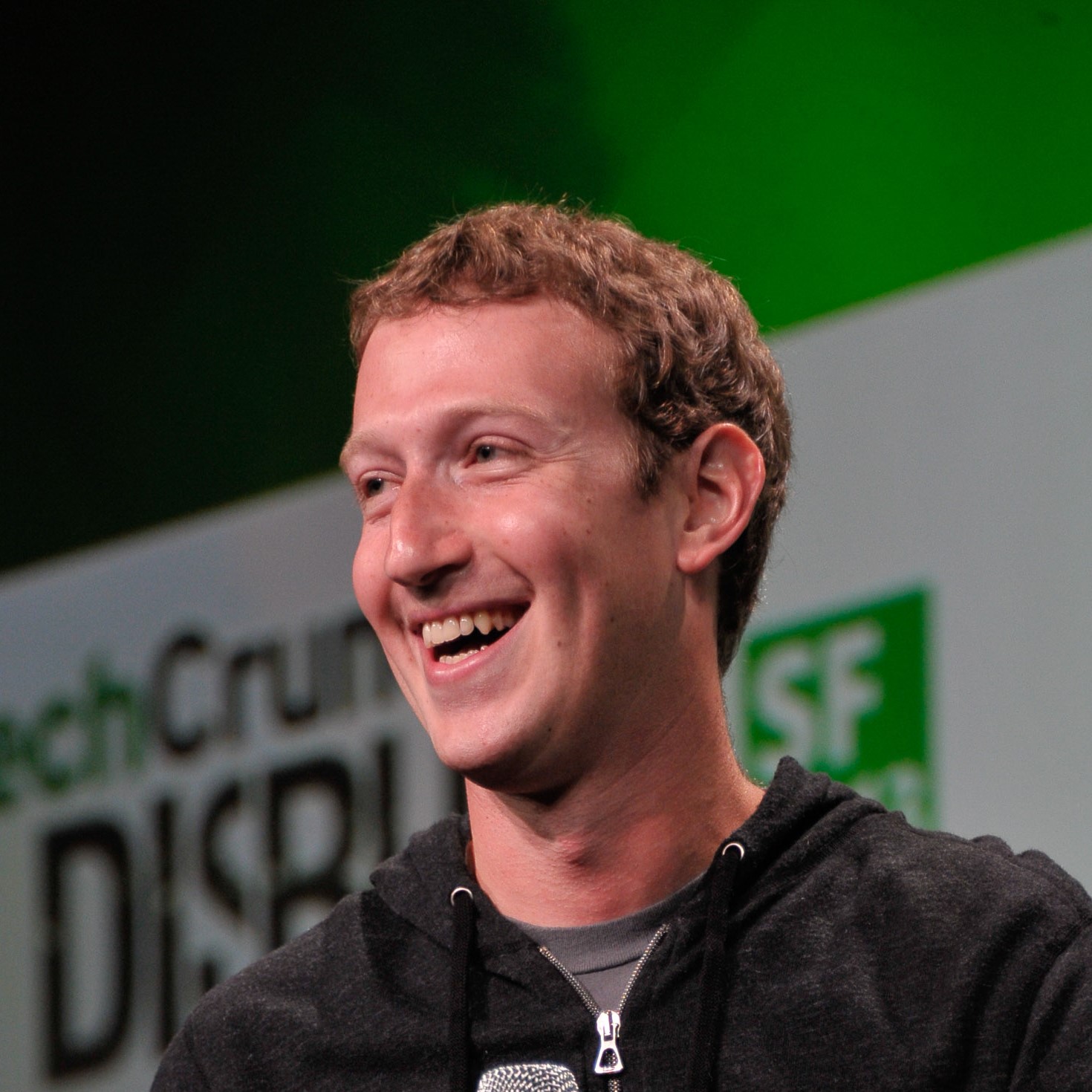
 That is an attention grabbing headline. And Mark Zuckerberg should leave Facebook (NASDAQ: FB). He will not be pushed out, though, like Steve Jobs was at Apple (NASDAQ: AAPL) in 1985 when he was 30. Zuckerberg has voting control over Facebook’s shares. He cannot be forced out. And it would not work if he becomes nonexecutive chairman the way the Microsoft (NASDAQ: MSFT) founder Bill Gates did in 2000. Zuckerberg lacks Gates’s interest in charity. Zuckerberg would need to exit for the good of Facebook, because he understands he is hurting the company.
Zuckerberg has done a great deal recently to undermine Facebook’s success. Some of it cannot be undone, only repaired — maybe. The decision, or lack of one, not to press Facebook into the mobile advertising market was as significant a mistake as the company could have made. Facebook could not afford to stumble in the mobile space. As many as half of Facebook’s users access the social network on mobile devices. Facebook acknowledged in its public filings that, without significant revenue for non-PC platforms, it is in trouble. And Facebook’s admission that it was behind in this part of its business evolution was part of the reason its IPO went so badly.
The other tremendous mistake that Zuckerberg and his management have made rests in their inability to attract and hold large advertisers. Adoption by the country’s largest marketers is essential to the company’s revenue. The new Facebook Exchange is meant to make it easier for advertisers to target members of the social network. Facebook’s case to large marketers that it is a powerful platform for advertising campaigns was bolstered by a study by comScore that showed the social network is an effective ad medium. But many investors believe what General Motors (NYSE: GM) said just before the Facebook IPO. Facebook is not an effective marketing medium, the car company said as it withdrew its advertising.
Facebook needs a better way to sell its ad inventory at high prices, to some large extent because it cannot count on high double-digit percentage growth forever as means to increase inventory. Another recent comScore study showed that Facebook’s audience growth in the United States is slowing, and time spent on the site has started to slip. The number of visitors to Facebook rose only 5% in April from a year earlier, down from almost 25% in April of 2011, The combination of weak ad sales with slowing traffic probably means the company will miss many of Wall St.’s earnings and revenue targets. That will be evidence that optimistic long-term projections about the company’s future are flawed.
Zuckerberg ultimately has to take blame for the problems with the Facebook IPO, with the clear exception of technical issues at Nasdaq. Some observers have said that Facebook’s CFO David Ebersman or lead underwriter Morgan Stanley (NYSE: MS) were primarily at fault for a supply of shares that was too large and helped push the stock price down on the first day. Like at every other large public company, however, the CEO is finally responsible for what happens on his or her watch. Zuckerberg got almost all the credit for Facebook’s years of success. Now he must accept blame for a reversal of fortunes, even if it is temporary. Facebook’s shares have dropped from an IPO price of $38 to a low of less than $26. The market has lost faith in Facebook, this shows. That essentially means it has lost faith in Zuckerberg.
Zuckerberg supporters would claim he has to run Facebook because he is the visionary behind its progress and will continue to be. But Facebook is already mature to the extent that its growth has slowed, both in terms of revenue and audience. The social network has about one billion users. It is hard to make a case that the next 100 million will be added with any ease. The solutions to Facebook’s revenue problems have little to do with vision. They are tactical and operational problems. Those, along with Facebook’s mobile challenges will not be resolved by genius. If Zuckerberg’s role is to add features and functions to help cement users to the site or add the next 200 or 300 million users, that role is likely to have been passed to the best of his several hundred engineers and product managers.
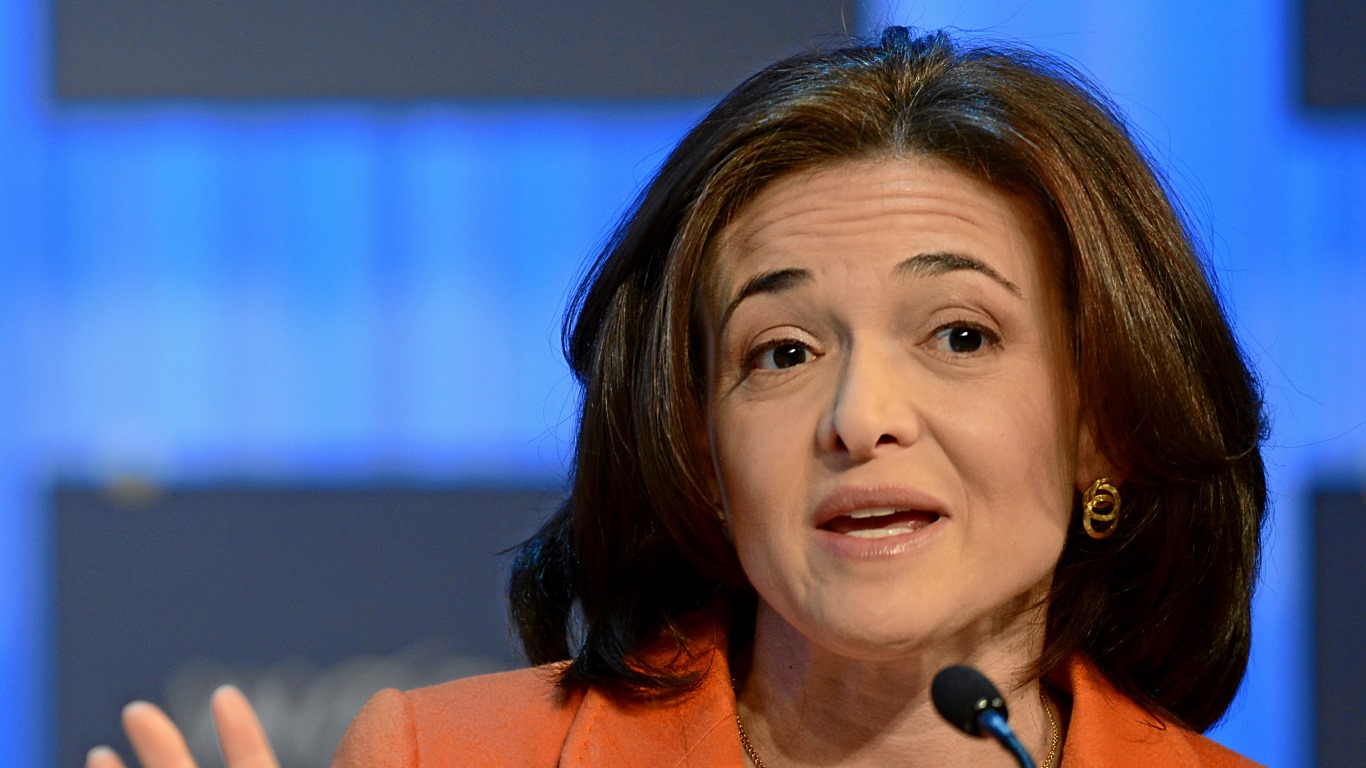
Who would replace Zuckerberg? Most would say COO Sheryl Sandberg, who has more experience as an executive than Zuckerberg does. However, she was on the watch as well as he was when Facebook made the missteps that cost investors billions of dollars after the IPO. That leaves the board of directors with a difficult search if Zuckerberg were to decide to step down. And he should. Over the past few months, he has done the company he founded much more harm than good.
Douglas A. McIntyre





 Top Gaining Stocks
 Top Losing Stocks