


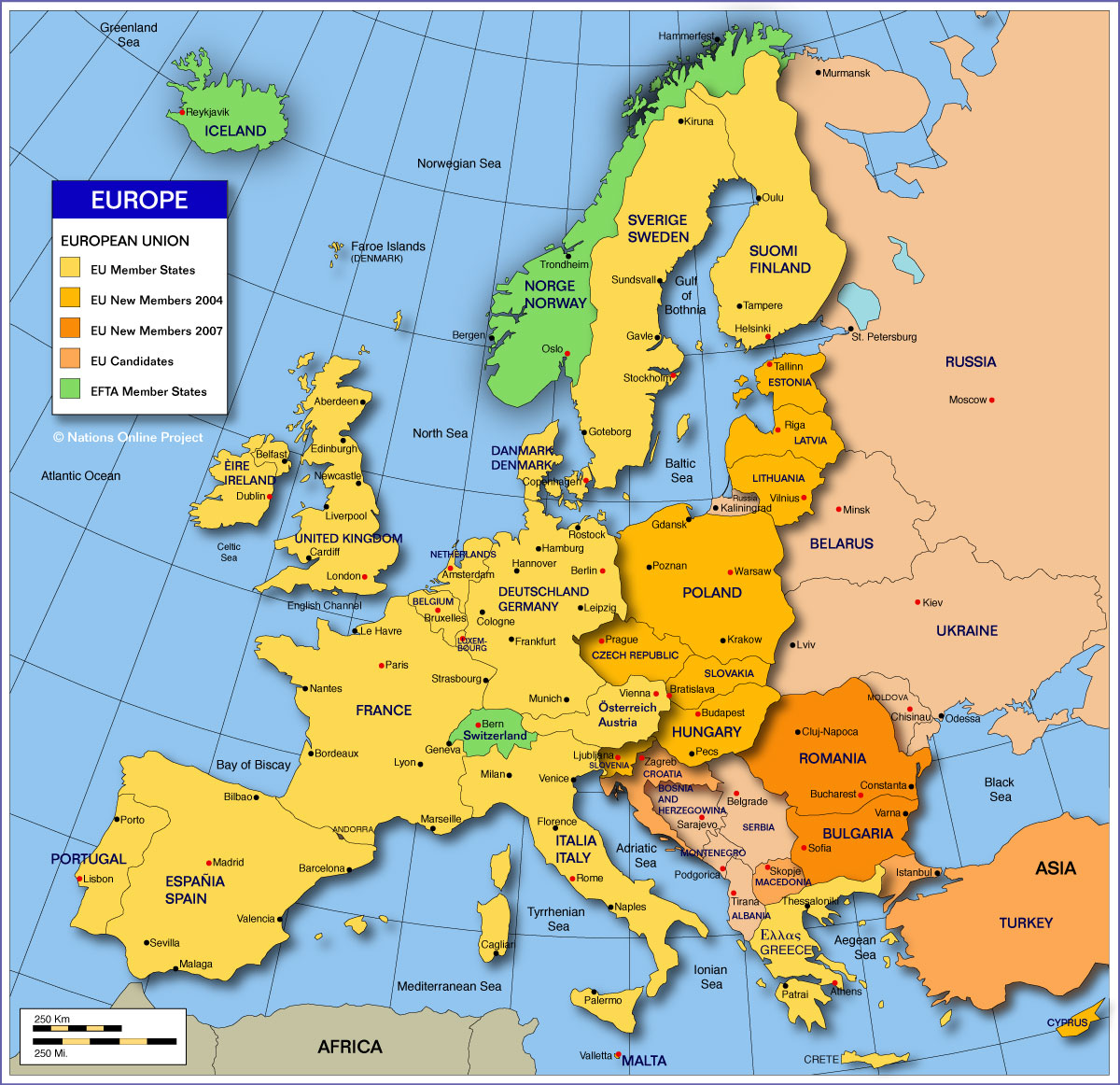
Markit reported its “Flash Eurozone PMI Composite Output Index at 46.0, unchanged from May’s 35-month low.”
Germany has become a drag on the region’s economy just as much as it was a help to the last recovery:
By country, output fell in Germany for the second month running, dropping at the fastest rate in three years. Marginal growth in services was offset by manufacturing output falling at a rate only slightly below the near three-year record seen in May.
In addition to the current trouble, the mood about the future has flagged. Chris Williamson, chief economist at Markit, said:
Of particular concern is the near-record deterioration in business optimism, combined with marked falls in employment and purchasing by companies. This suggests that firms are preparing for conditions to worsen in the coming months, with the darker outlook often attributed to uncertainty caused by the region’s ongoing economic and political crises.
As usual, businesses that prepare for the worst help to create it. Whatever modest job creation may had taken hold last year has been crushed, and along with it consumer sentiment. Businesses appear to have halted all but the most essential spending, which will put further pressure on jobs.
The austerity plans for nations like Greece and Spain are founded in the notion that these countries have businesses and people who can be taxed for the revenue that will be matched to lower government spending. But shuttered factories and people out of work do not create income that can be taxed.
Douglas A. McIntyre






 Top Gaining Stocks
 Top Losing Stocks