


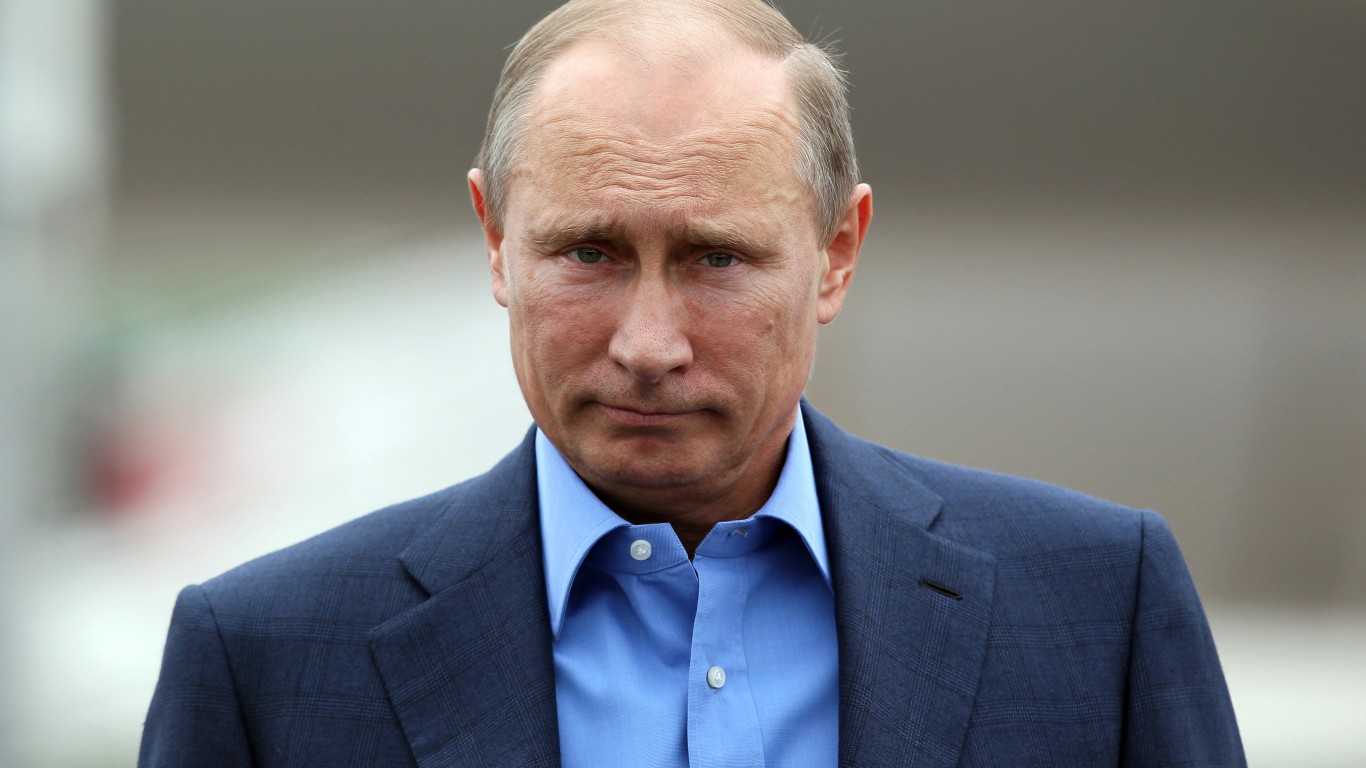
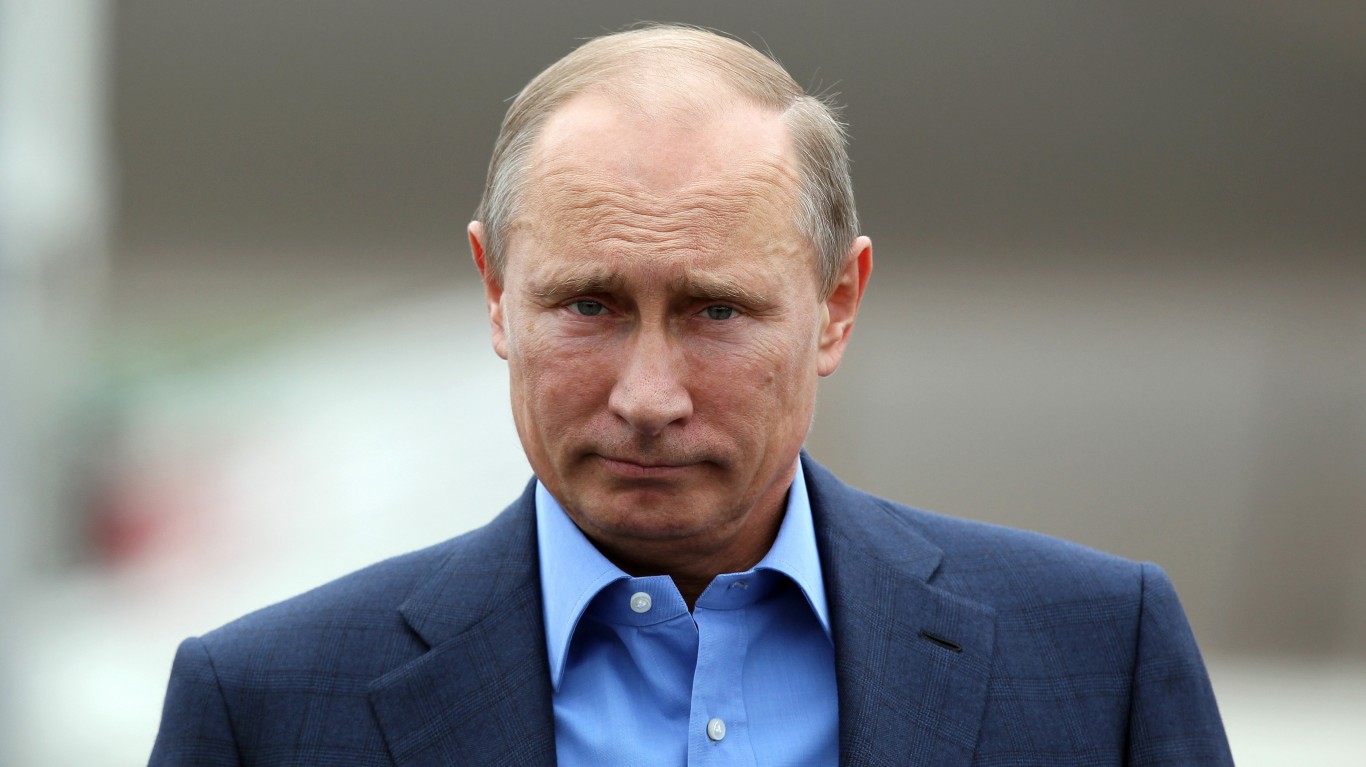
 The lower house of Russia’s parliament has approved the country’s entry into the World Trade Organization (WTO) in a process that began nearly 20 years ago. The bill still requires the approval of the upper house and President Vladimir Putin’s signature, but neither is expected to present much of a barrier.
Opposition to WTO membership has come primarily from the country’s Communist Party.
A report at Bloomberg notes that Russia may lose as much as $5.7 billion in 2013 and as much as $7.6 billion in 2014 as foreign goods make their entry into the country. Over the long term, Russia’s estimated gain from membership in the WTO totals $162 billion annually.
Russia is the lone remaining large economy that does not yet belong to the WTO. Whether or not the country is able to attract more foreign investment as a result of WTO membership remains to be seen. In many respects, the country’s opaque banking system resembles that of the last major entrant into the WTO’s ranks — China.
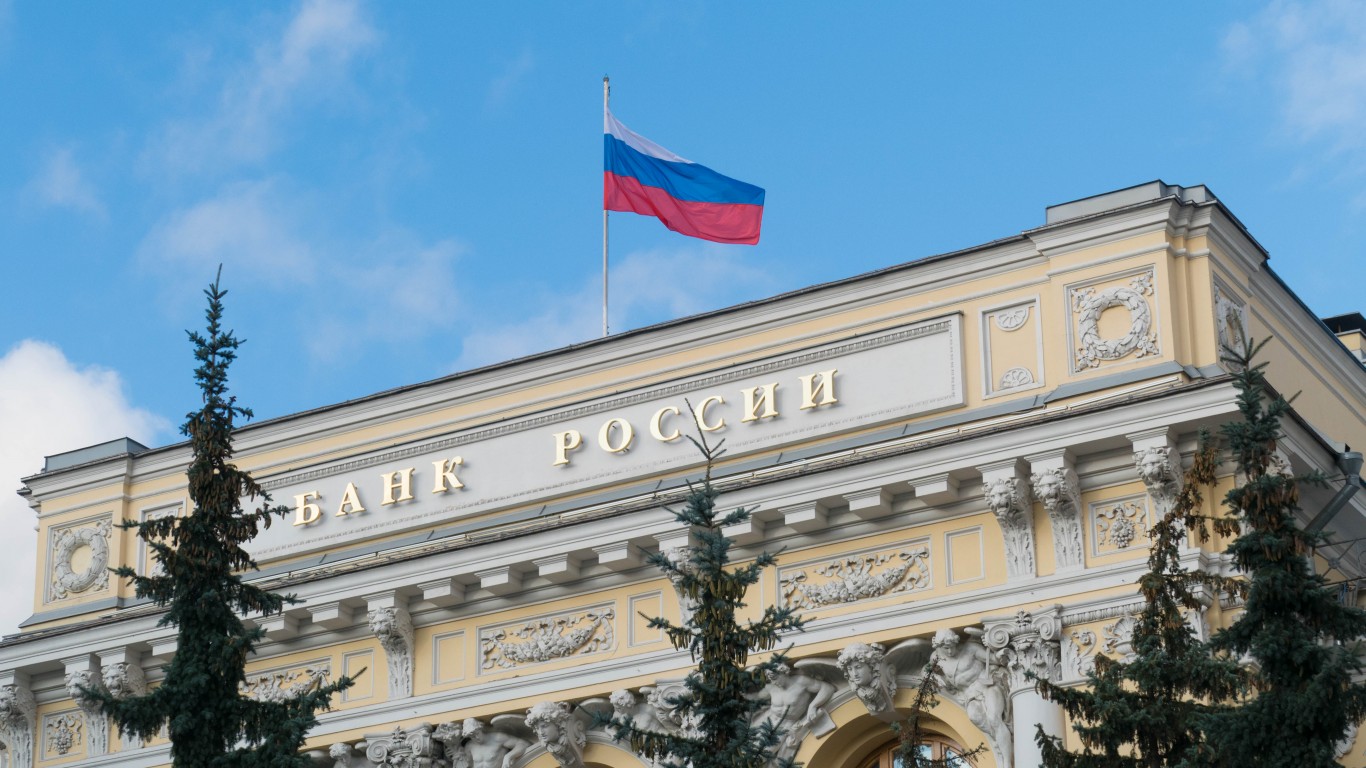
Russia faces something of an uphill struggle, given its recent history of reneging on some energy deals it first made in the years following the collapse of the Soviet Union. The country’s biggest bank, Sberbank, is still 60%-owned by the Russia’s central bank even though the target for state ownership of the bank has been 50% plus one share for more than a year now. Former President Dmitry Medvedev had hoped to sell additional shares last year, but those hopes did not materialize.
Paul Ausick






 Top Gaining Stocks
 Top Losing Stocks