


 The International Monetary Fund said Syria was one of the few countries in the Middle East whose economy is expected to contract in 2012. The IMF expected the regional economy to grow by more than 5 percent in 2012, an increase from last year. Economic problems for Damascus were compounded last week when the U.S. government extended sanctions on Iran to include the Syrian energy sector. Washington said the government in Damascus was generating millions in revenue through gasoline sales to Iran. With few political or military options available, economic warfare may be the best option for an international community frustrated with the bloodshed.
Syria, before the onset of the current crisis in early 2011, was considered one of the few major oil producers in the eastern Mediterranean region. In 2010, the country produced around 400,000 barrels of oil per day. By September, however, Damascus had called on the remaining international oil companies still in the country to cut back on crude oil production because of a shortage of buyers. By then, however, most IOCs had already left the country in order to meet the terms of sanctions imposed on the Syrian government.
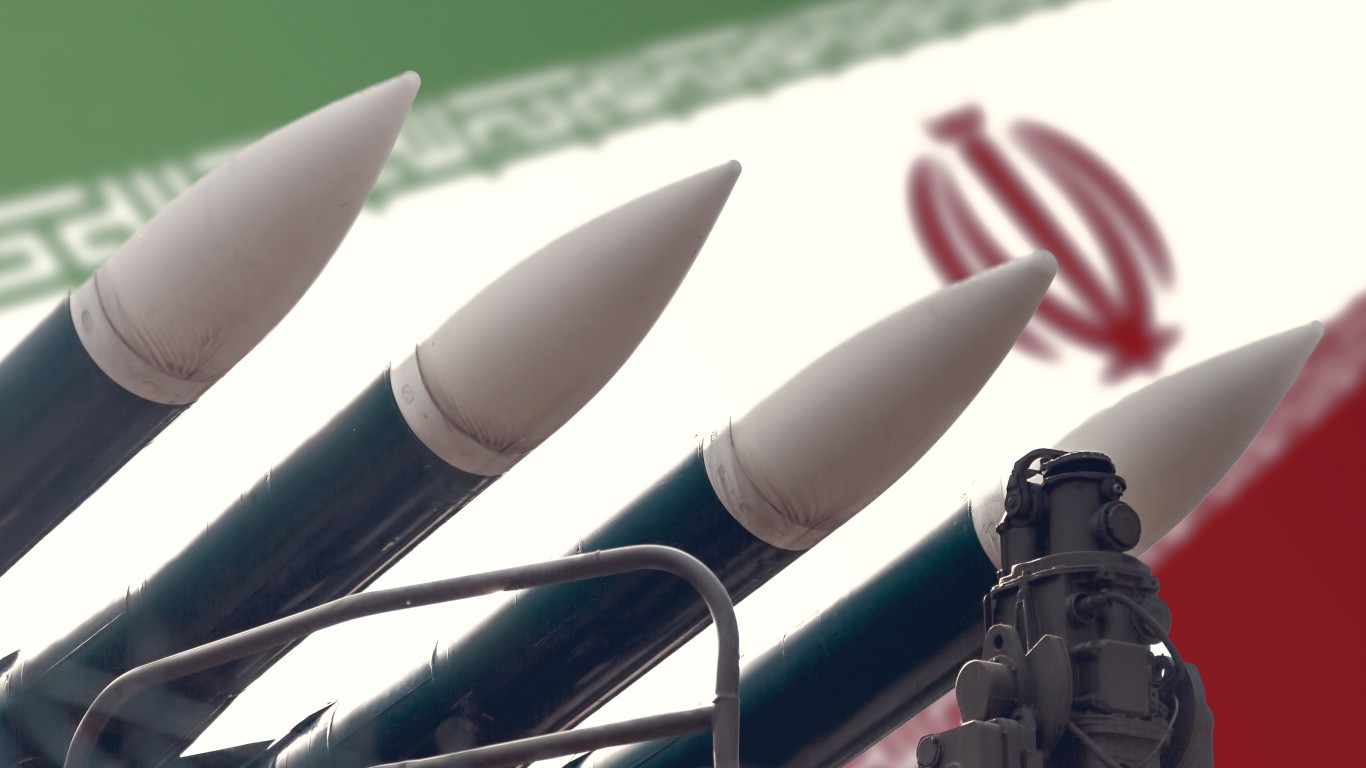
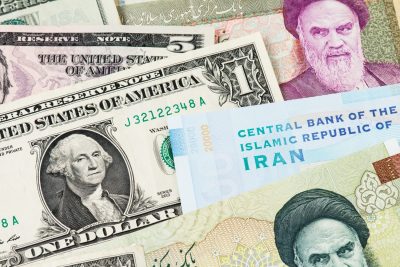
The White House last week extended Iranian sanctions to include Syria’s state-run oil company Sytrol. Washington said that trade between Syria and Iran generated $36 million for the government in Damascus following the sale of some 11.8 million gallons of gasoline in April.
“The United States remains deeply concerned about the close ties shared by the Iranian and Syrian regimes and is committed to using every tool available to prevent regional destabilization,” said State Department spokesman Patrick Ventrell.
In its outlook report for August, the U.S. Energy Department’s Energy Information Administration said Syrian oil production has declined to around half of the pre-crisis levels. The average output is expected to average 200,000 bpd for 2012, but should recovery marginally to 210,000 bpd by next year. Despite the uptick for 2013, EIA expectations from the August report are significantly lower than July predictions.
The International Monetary Fund predicted that Middle East and North African economies should keep pace with other emerging countries. MENA’s expected growth rate for 2012 was 5.5 percent, an increase of 1.3 percent compared with the IMF’s forecast in April. Growth for the six members of the Gulf Cooperation Council was expected to reach around 6 percent. With frustration growing among even Syria’s staunchest allies, the economic pressure on the government is taking its toll. Despite the strong growth forecast for the MENA region, the IMF said an overall contraction was expected in Syria. Writing in May, Masood Ahmed, director of regional affairs at the IMF, said the “exceptional circumstances” facing Syria are “likely to result in a very large decline in economic activity in 2012.”
By Daniel Graeber of Oilprice.com






 Top Gaining Stocks
 Top Losing Stocks