



The Group of Seven nations have agreed to provisions to prevent currency wars. The prospect that countries might protect their trade via currency valuation manipulation has become greater recently. The drawback to the announcement is that the G7 nations are the old developed economies of the United States, Japan, Germany, France, Italy, Canada and the United Kingdom. That leaves action by China, Brazil, Russia and India in particular out of the mix. Each has trade issues that might tempt it to view currency valuation as a weapon.
In a statement issued by the U.K. Treasury on behalf of the group:
We, the G7 Ministers and Governors, reaffirm our longstanding commitment to market determined exchange rates and to consult closely in regard to actions in foreign exchange markets. We reaffirm that our fiscal and monetary policies have been and will remain oriented towards meeting our respective domestic objectives using domestic instruments, and that we will not target exchange rates. We are agreed that excessive volatility and disorderly movements in exchang [sic] rates can have adverse implications for economic and financial stability. We will continue to consult closely on exchange markets and cooperate as appropriate.
Global Growth at Volkswagen
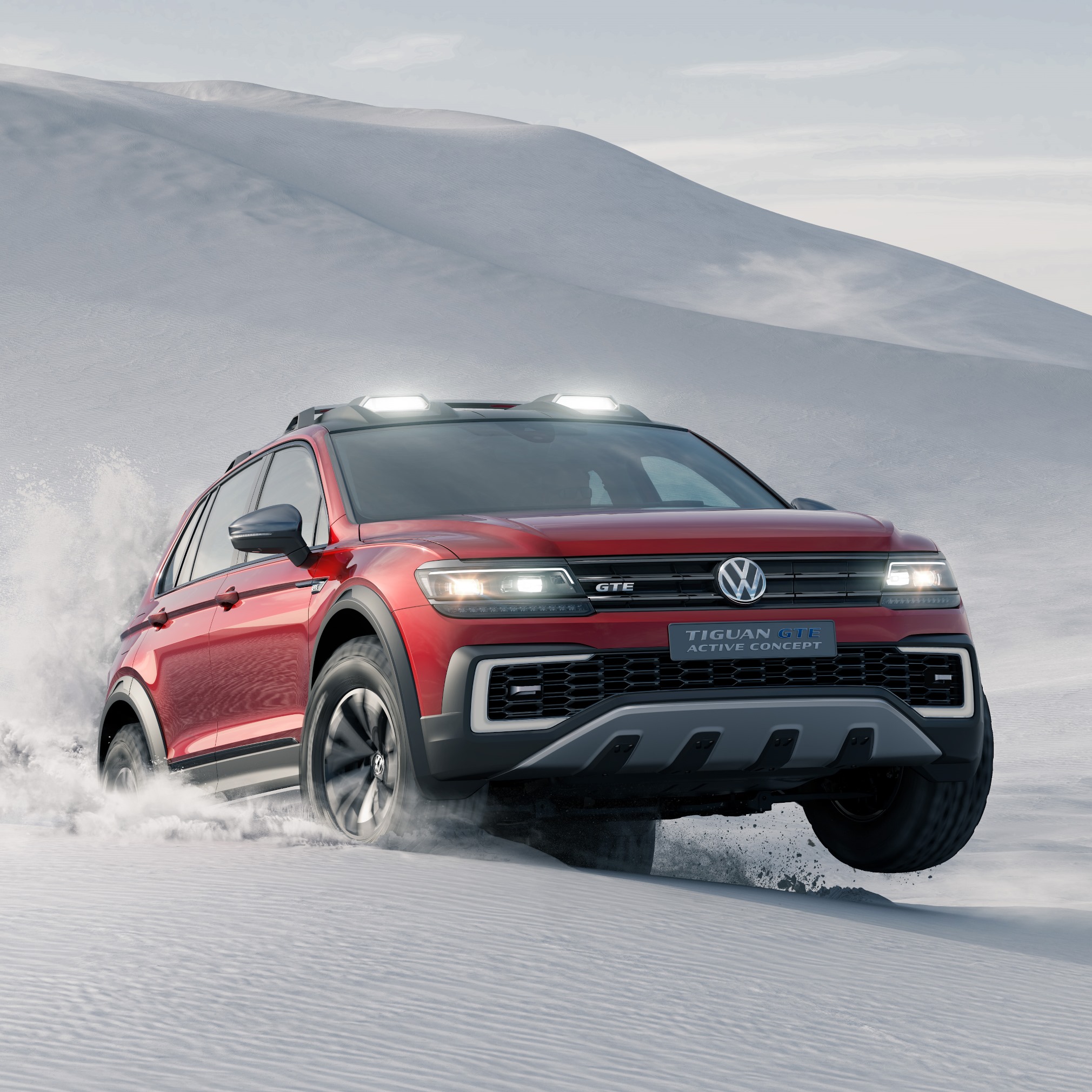
Volkswagen, which many industry experts expect to pass General Motors Co. (NYSE: GM) and Toyota Motor Corp. (NYSE: TM) as the world’s largest car company within the next few years, showed that its prospects to do so are promising. The Germany firm announced:
The Volkswagen Passenger Cars brand began the year with a rise in vehicle deliveries: The company handed over 491,900 (January 2012: 419,100) models to customers worldwide, an increase of 17.4 percent over the comparable prior-year period.
Why?
Developments outside Europe were more positive. In the North America region, Volkswagen Passenger Cars grew deliveries to 43,800 (39,600; +10.6 percent) units. The brand handed over 29,000 (27,200) vehicles to customers in the United States, the region’s largest single market, representing an increase of 6.7 percent. Volkswagen Passenger Cars delivered 63,100 (64,300; -2.0 percent) vehicles in the South America region, of which 46,100 (43,800; +5.1 percent) units were handed over in Brazil.
The brand reported a substantial 43.7 percent increase in January in the Asia-Pacific region, handing over 251,100 (174,700) vehicles there, of which 235,000 (159,900; +47.0 percent) units were delivered in China (incl. Hong Kong), the region’s largest single market. The date for the Chinese New Year was again set in February and as a result of this special situation, deliveries in January were noticeably higher than for the same month last year; however, a decline in deliveries is expected for February. In India, Volkswagen Passenger Cars delivered 4,600 (5,800; -19.9 percent) vehicles in January
Markets React to Nuke Test
There is good reason to believe that stock markets in Asia will suffer over the next several days as North Korea detonated another nuclear device. Taken together with proof that it can launch long-range missiles, the threat to Japan and South Korea has worsened. According to The New York Times:
North Korea confirmed on Tuesday that it had conducted its third, long-threatened nuclear test, according to the official KCNA news service, posing a new challenge for the Obama administration in its effort to keep the country from becoming a full-fledged nuclear power.
The KCNA said it used a “miniaturized and lighter nuclear device with greater explosive force than previously” and that the test “did not pose any negative impact on the surrounding ecological environment.”





 Top Gaining Stocks
 Top Losing Stocks