


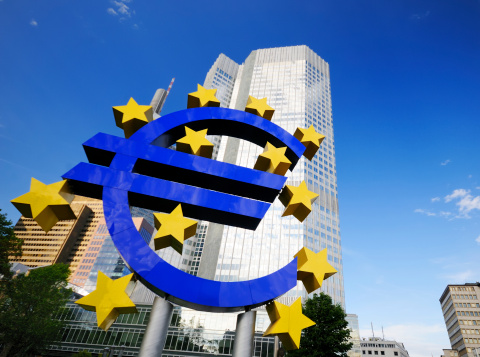
Almost all European finance ministers, the European Union and International Monetary Fund believe that the alliance is the only chance to pull the region out of recession, regulate banks and maintain free trade. Those assumptions may be correct, but politicians who support them will not last as leaders.
According to the PewResearch Global Attitudes Project:
The European Union is the new sick man of Europe. The effort over the past half century to create a more united Europe is now the principal casualty of the euro crisis. The European project now stands in disrepute across much of Europe.
Support for European economic integration — the 1957 raison d’etre for creating the European Economic Community, the European Union’s predecessor — is down over last year in five of the eight European Union countries surveyed by the Pew Research Center in 2013. Positive views of the European Union are at or near their low point in most EU nations, even among the young, the hope for the EU’s future. The favorability of the EU has fallen from a median of 60% in 2012 to 45% in 2013. And only in Germany does at least half the public back giving more power to Brussels to deal with the current economic crisis.
Nations that have been forced to pursue austerity measures are among those where a rejection of the alliance by citizens is the highest. Of course, these are the nations where a huge number of people are out of work, and many of these people cannot understand why the European Union, European Central Bank (ECB) and International Monetary Fund (IMF) continue to press their countries to cut costs rather than support help with stimulus packages. Countries where there are few favorable views of the European Union include Greece, where the figure support is at only 33%, and Spain, where it is 46%. The surprise among the countries is France, where the number has dropped to 41% from 60% a year ago.
The France number should be expected, based on voter rejection of the policies of President François Gérard Georges Nicolas Hollande. His poll numbers are at all-time lows, not just based on his period in office, but measured historically among most of his predecessors. Hollande’s efforts to improve France’s economy include higher taxes. And the French economy is getting worse at the same time as voters view his approaches with skepticism. Hollande could be thrown out of office shortly.
Hollande would join former leaders of Italy, Spain and Greece. Voter rejection of leaders who support austerity and tax measures aimed away from stimulus gives way to a new generation of politicians who say that pressures from the European Union, ECB and IMF have gone too far. The battle between these nations, and an insistence about austerity among the region’s officials, more than anything else will pull the alliance apart.




 Top Gaining Stocks
 Top Losing Stocks