


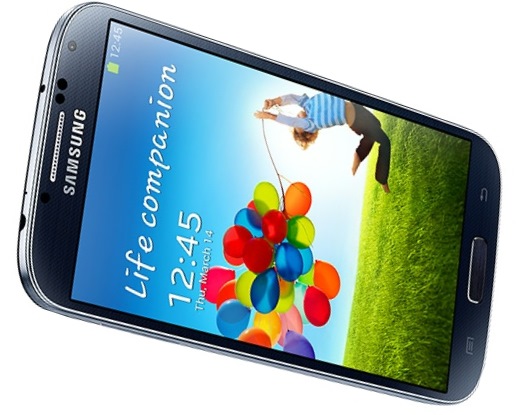
Google Inc.’s (NASDAQ: GOOG) Motorola will try to exit a sales dive that started with the end of the popularity of the RAZR close to a decade ago. Motorola will release yet another in a long line of Apple Inc. (NASDAQ: AAPL) iPhone killers. The only company that has any success with this is Samsung with its Galaxy line. But Samsung was already one of the largest electronics firms in the world when it began its run at Apple. Google is entirely new to the smartphone business. The Financial Times reports on Motorola’s challenge to Apple:
Google is preparing an attack on Apple’s iPhone with a device that is more aware of its surroundings and smart enough to anticipate how it will be used next, according to the head of the internet company’s Motorola subsidiary. The gadget, called the MotoX, will also be made in the US and will be part of a campaign to drive down the cost of smartphones and end the high profit margins companies like Apple have enjoyed, said Dennis Woodside, the Google executive installed to run Motorola after it was acquired in late 2011.
If that is all the Moto X will offer, it can be added to the junk pile of devices that have taken runs at Apple.
Home Buying Trends
Home sellers finally have gotten the upper hand against buyers as the home market haltingly recovers. According to a study titled the Century 21 Spring Home Selling Survey:
The CENTURY 21 spring selling survey shows there are plenty of serious buyers in the market who are actively making offers, but due to low inventory and many houses receiving multiple offers, bidding wars are becoming more common.
- 33 percent of those searching for a home say they have been at it for over a year, while 67 percent have been searching for up to a year.
- Offers are being made, but not many are accepted: 42 percent of those searching for homes have made an offer in the past six months yet only 11 percent have had their offers accepted.
Current homeowners looking to buy are more than twice as likely to have their purchase offer accepted as those who rent (15 percent vs. 6 percent). However, renters are nearly three times as likely as homeowners to report that they made an offer but couldn’t agree on price (14 percent vs. 5 percent).
And:
85 percent of home searchers are willing to go above and beyond in order to force the deal through. Of those willing to go above and beyond, the top four comprises they’d be willing to make are:
- 51 percent would be flexible with the closing time.
- 31 percent would compromise by purchasing the house as-is.
- 29 percent would compromise by putting more cash down than they had planned on.
Who Pays the Taxes
The Congressional Budget Office (CBO) reports that the rich are getting richer, at least based on how the tax code works. The report likely will set off another round of debates about whether the top 1% or 4% or 0.1% of the population in terms of income should pay higher taxes. The CBO study indicates that the well off actually have large tax system advantages:
The 10 major tax expenditures considered here are distributed unevenly across the income scale. In calendar year 2013, more than half of the combined benefits of those tax expenditures will accrue to households with income in the highest quintile (or one-fifth) of the population (with 17 percent going to households in the top 1 percent of the population), CBO estimates. In contrast, 13 percent of those tax expenditures will accrue to households in the middle quintile, and only 8 percent will accrue to households in the lowest quintile.
Based on the net effect of this advantage for the rich, a higher tax burden may be barely higher at all.





 Top Gaining Stocks
 Top Losing Stocks