


 Taiwan and U.S. Wheat
The upheaval about the imports of genetically modified wheat has spread from Japan, where imports have been canceled, to Taiwan. It threatens to bring down wheat prices enough to undermine the financial fortunes of tens of thousands of farmers. MarketWatch says of Taiwan’s fear of U.S. wheat:
Flour millers in Taiwan are reviewing imports of wheat from the U.S. after unapproved genetically modified wheat was discovered at a farm in Oregon, industry officials and importers said Friday.
“Imports from the U.S. are under review, and we may seek a guarantee from our suppliers that only non-GM grain will be shipped to Taiwan,” a member of the Taiwan Flour Millers Association told Dow Jones Newswires.
Taiwan is a major wheat importer and heavily dependent on the U.S. for its supplies, importing close to 1.1 million metric tons of U.S. wheat annually. Commercial production of GM wheat is not permitted anywhere in the world, and the U.S. is investigating the contamination at the Oregon farm.
Samsung Picks Intel
Intel Corp. (NASDAQ: INTC) finally has gotten a foothold in the industry in which it most needs a success. The provider of chips to 80% of the world’s personal computers (PCs) has been locked out of the growing sector of tablets and smartphones, which have gained ground as PC sales have fallen. Intel’s chips have not been seen as attractive as those made by firms that include industry giant ARM Holdings PLC (NASDAQ: ARMH). Reuters reports on Samsung’s selection of Intel:
Samsung Electronics has chosen an Intel processor to power a new version of one of its top-tier Android tablets, a source with knowledge of the plans told Reuters, in a major victory for the U.S. chipmaker, which is struggling to find its footing in the mobile market. Samsung has chosen Intel’s Clover Trail mobile chip for at least one version of its Galaxy Tab 3 10.1, which competes with Apple’s iPad, a source familiar with the matter told Reuters on Thursday, speaking on condition of anonymity because the specifications have not been announced.
Hacking Apple
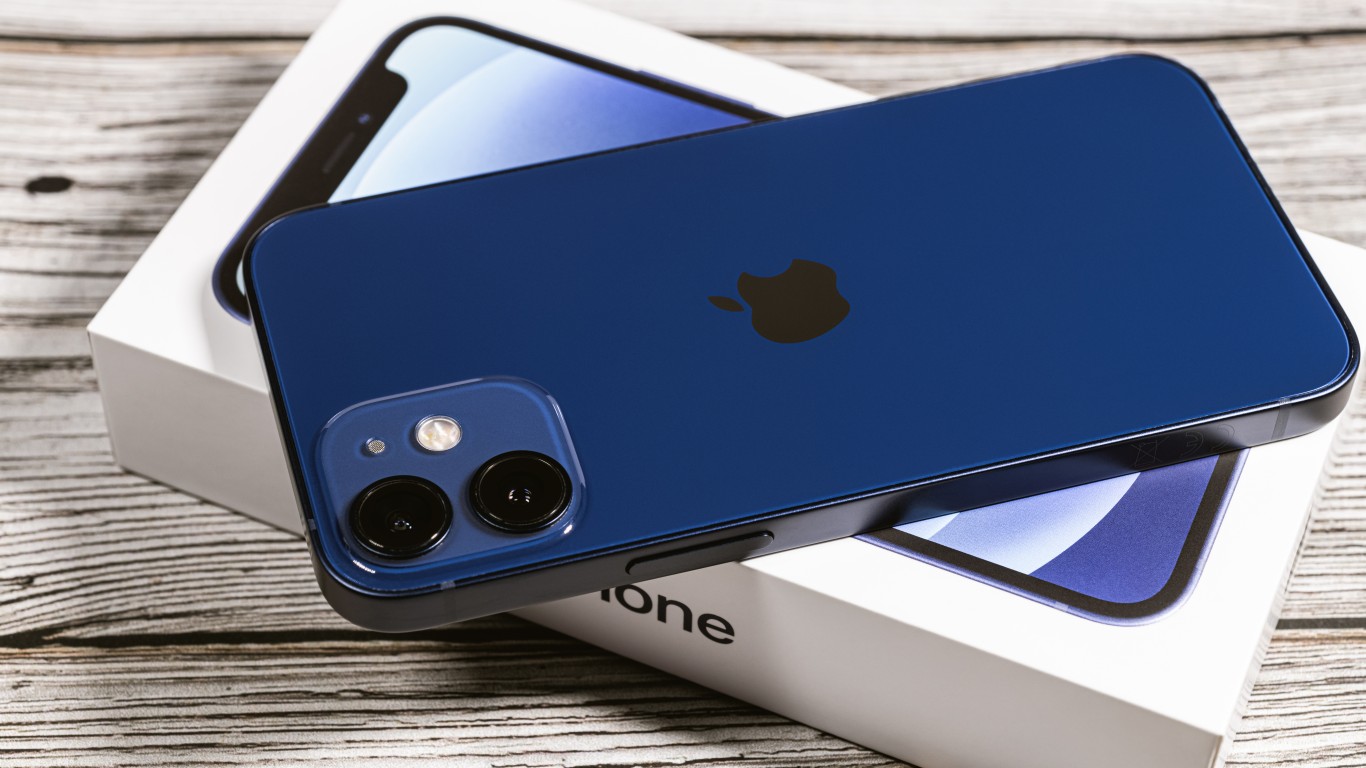
Security problems that had been limited almost exclusively to Microsoft Corp.’s (NASDAQ: MSFT) Windows and Windows-compliant products have migrated to Apple Inc. (NASDAQ: AAPL) ones. Given the surge in the success of the Mac, and the extraordinary growth of the iPhone and iPad, this should have been expected. CNNMoney reports on holes in Apple’s security:
Apple recently beefed up its authentication system in an effort to thwart hackers, but a new report shows the security measure is lacking in one huge area.
Back in March, Apple unveiled an optional “two-factor authentication” login method for its Apple ID. It’s a basic security tool already used by Google, Facebook (FB) and Dropbox that requires both a password and a piece of data, such as a string of numbers sent via text message. Twitter also recently unveiled such a system following a series of prominent hacks of Twitter accounts.
But security software company ElcomSoft explained in a blog post Thursday that Apple’s new security measures protect users only in a few situations: app and music purchases, managing an Apple ID account or receiving customer support related to Apple ID. It does nothing to protect other important information, like photos and other files stored on its iCloud service.
A hacker who manages to figure out a user’s Apple ID and password could log into that user’s iCloud account, and download all of the potentially sensitive information stored there — even if that user has the two-factor system enabled. ElcomSoft accused Apple of doing “a half-hearted job,” arguing the two-factor protection should be implemented on iCloud data backups as well.








 Top Gaining Stocks
 Top Losing Stocks