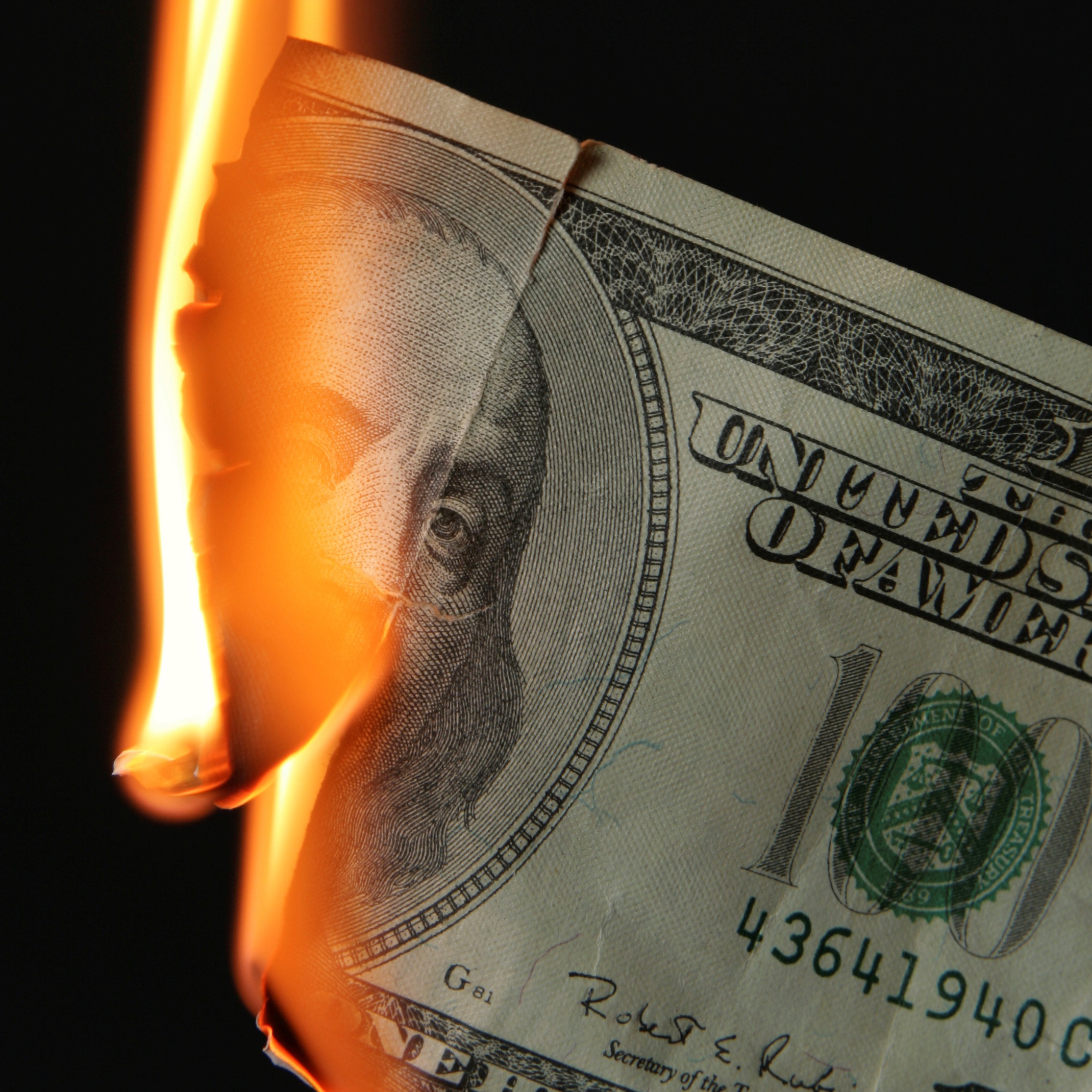
At G8, an Odd Mix of Optimism and Concern

Photo of Douglas A. McIntyre
By Douglas A. McIntyre Published
This post may contain links from our sponsors and affiliates, and Flywheel Publishing may receive compensation for actions taken through them.

A statement from the G8 conference said that while the global economy may be in the midst of a recovery, there remain a number of trap doors that could open and swallow the progress. The comments echoed those made by almost every other large organization that tracks worldwide financial health, particularly the International Monetary Fund and World Bank. These statements are always full of hedges and warnings, which undermines whatever positive stances they take. This leaves observers without any real impression about how the world’s economy will do, particularly in the eyes of the its leaders.

According to the G8 statement called the “Communiqué on Global Economy Working Session”:

Promoting growth and jobs is our top priority. We agreed to nurture the global recovery by supporting demand, securing our public finances and exploiting all sources of growth. The fight against unemployment, particularly long-term and youth unemployment remains critical in our domestic and collective agendas.

Global economic prospects remain weak, though downside risks have reduced thanks in part to significant policy actions taken in the US, euro area and Japan, and to the resilience of major developing and emerging market economies. Most financial markets have seen marked gains as a result. However, this optimism is yet to be translated fully into broader improvements in economic activity and employment in most advanced economies. In fact, prospects for growth in some regions have weakened since the Camp David summit. While countries have taken steps to avoid the worst of the tail risks that faced the world economy in 2012, vulnerabilities remain in 2013, highlighting the need for countries to press ahead with the necessary reforms to restore sustainable growth and jobs.

In addition, the group comments that Europe may be on the mend, the United States has shown great economic and policy strides and Japan has made the best of its situation by activities taken by its central bank and leaders.

The trouble with all the suggestions about what most of the largest nations in the world can do about growth is that these suggestions are unrealistic. Few governments have the means to fight unemployment without substantial stimulus. This is certainly true of France, Italy and the United Kingdom, which face growing budget deficits, troubling levels of debt and plans for government austerity. Russia continues to be in a state of disarray, particularly economically. Its central government has done nothing to reverse this, even if it could. No matter what the Bank of Japan has done, Japan’s stagnant economy has shown no sign of making a multiyear recovery. That leaves Canada, which is too small to matter, the United States and Germany. Political forces in America continue to lean toward lower government spending, which in turn means no dollars to decrease unemployment and gross domestic product. The Federal Reserve continues to ease on worry that a recovery barely has taken root.

The G8 comments on the global economy do not tell much. Whatever beliefs the leaders have about the future are not buttressed by any specific agreements about the means to rekindle growth.

Photo of Douglas A. McIntyre
About the Author Douglas A. McIntyre →

Douglas A. McIntyre is the co-founder, chief executive officer and editor in chief of 24/7 Wall St. and 24/7 Tempo. He has held these jobs since 2006.

McIntyre has written thousands of articles for 24/7 Wall St. He is an expert on corporate finance, the automotive industry, media companies and international finance. He has edited articles on national demographics, sports, personal income and travel.

His work has been quoted or mentioned in The New York Times, The Wall Street Journal, Los Angeles Times, The Washington Post, NBC News, Time, The New Yorker, HuffPost USA Today, Business Insider, Yahoo, AOL, MarketWatch, The Atlantic, Bloomberg, New York Post, Chicago Tribune, Forbes, The Guardian and many other major publications. McIntyre has been a guest on CNBC, the BBC and television and radio stations across the country.

A magna cum laude graduate of Harvard College, McIntyre also was president of The Harvard Advocate. Founded in 1866, the Advocate is the oldest college publication in the United States.

TheStreet.com, Comps.com and Edgar Online are some of the public companies for which McIntyre served on the board of directors. He was a Vicinity Corporation board member when the company was sold to Microsoft in 2002. He served on the audit committees of some of these companies.

McIntyre has been the CEO of FutureSource, a provider of trading terminals and news to commodities and futures traders. He was president of Switchboard, the online phone directory company. He served as chairman and CEO of On2 Technologies, the video compression company that provided video compression software for Adobe’s Flash. Google bought On2 in 2009.

Featured Reads

Our top personal finance-related articles today. Your wallet will thank you later.

Continue Reading

Top Gaining Stocks

CBOE Vol: 1,568,143
PSKY Vol: 12,285,993
STX Vol: 7,378,346
ORCL Vol: 26,317,675
DDOG Vol: 6,247,779

Top Losing Stocks

LKQ
LKQ Vol: 4,367,433
CLX Vol: 13,260,523
SYK Vol: 4,519,455
MHK Vol: 1,859,865
AMGN Vol: 3,818,618