


The love that America’s chief executive officers have for military men and military strategy is decades old. The modern corporate structure is based to a large extent on the military chain of command. The term “executive officer” draws its origins from the organization of military rank. Many business leaders have favorite books and movies about the military. “The Art of War” by Sun Tzu is all but required reading for senior management. “Patton” is one of the most widely admired and quoted films of CEOs who believe in the charismatic leadership style.
The Syrian conflict has deeply damaged the fortunes of several important world figures, including President Obama, and enhanced those of others, particularly Vladimir Putin, based on whether military force, that of the United States and its allies, should be used to cripple the regime of Bashar Hafez al-Assad.
As the Syrian issue has played out over several weeks, seven lessons from the actions of a number of world leaders and their lieutenants have become clear:
1. Never make a decision, and public declaration about it, without the support of people whose support is essential. President Obama said the United States was prepared to attack Syria, specifically because of attacks on civilians. He did not believe he would need to go to Congress, but did believe he needed support from allies to bypass U.N. approval. Several of his allies fell away, particularly the U.K.’s prime minister, David Cameron. As outside support eroded, Obama decided to seek congressional approval to improve his hand. Congress, particularly the House, failed to help him.
2. Never support an ally’s public decision when your support has high risk of being reversed by your opponents, and sometimes those who usually support your causes. Cameron said he was Obama’s greatest supporter in terms of dealing with Syria. Parliament forced him to debate his ability to attack the country, which allowed members to vote on whether the attack could go forward. Parliament, tired of the wars in Iraq and Afghanistan and of being misled about the presence of “weapons of mass destruction” — which triggered the current presence of troops in the region — voted down Cameron’s plan.
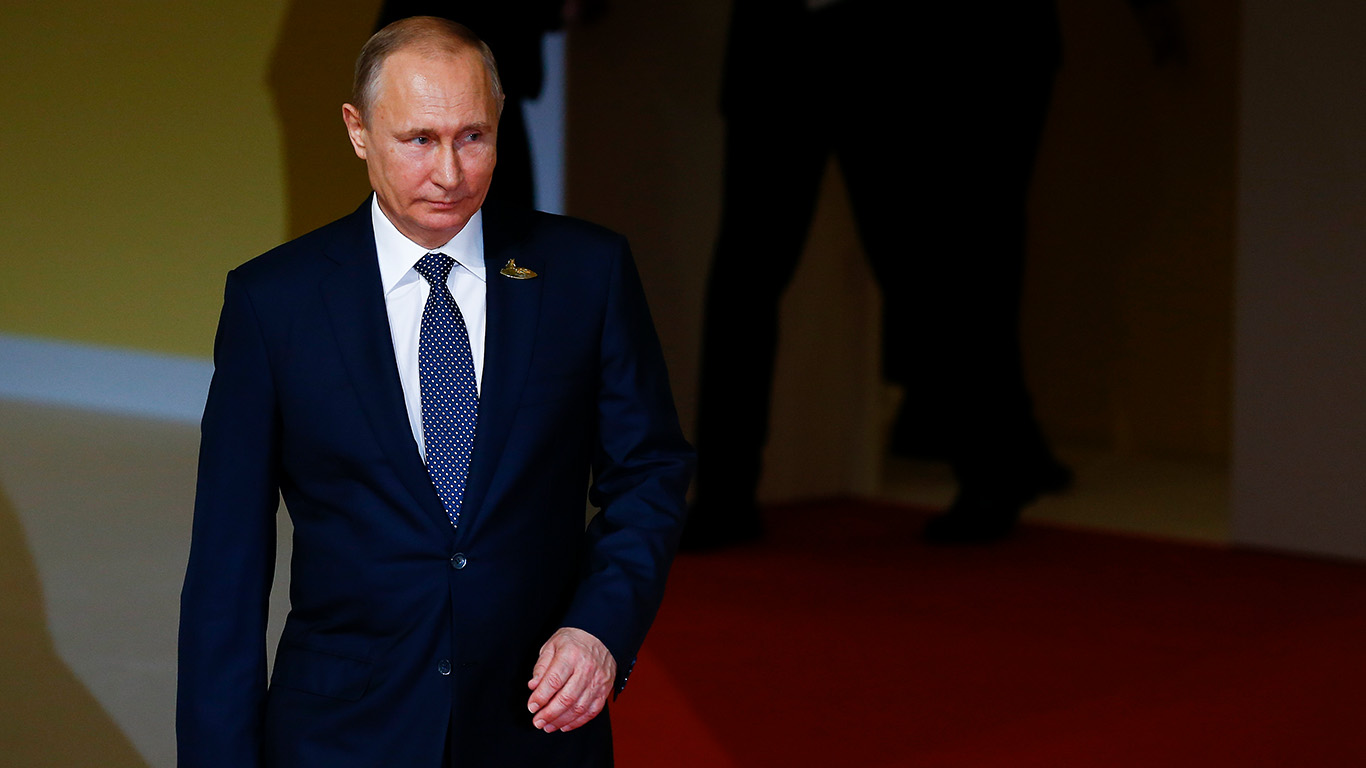
3. Be a counter puncher. Wait for your opponents to make mistakes. Putin spent weeks making general statements about his support of Syria but did nothing concrete to act on them. Once it was clear that Cameron and Obama had lost their support at home, Putin forced the debate toward the United Nations, where he knew he had a veto. By simply waiting for his opponents to make a mistake, he was able to take the initiative.
4. Frame the argument in public, even it if means creating confusion. Putin, once he saw the Obama and Cameron positions erode, raised the issue of which side of the combatants in Syria had used deadly gas, and why the evidence of his opponents was not complete enough to prove their claims without ambiguity. Putin used the “beyond a shadow of a doubt” argument artfully to maneuver the issue of proof to the debate about evidence.
5. Come up with a solution that all parties, including the opposition, have to accept. Once Putin said that he negotiated for Syria to turn over all of its chemical weapons, he knew that the United States and its allies could only agree, so long as there was proof that the disarmament plan actually would be followed. Russia might not have the military might to frame the debate, but it did have a way to show the world that it could solve the issue without the need for force.
6. Take into account the opinions of all stakeholders. Obama ended up with a huge array of opponents, even within his own country. Not only did Russia oppose military action in Syria, so did much of Congress and — most damaging of all — most Americans. All that Obama’s unilateral plans did for him was hurt his relationship with a Congress he will need when it comes time to approve a new budget, as well as with a public that was tired of years of war.
7. Keep your enemy close. Obama spurned Putin when he cancelled a summit in Moscow and again at the G-20 meetings. Whatever chance he had of using a personal relationship with Putin or a negotiated settlement on Syria through diplomatic channels died when Obama essentially insulted Putin — twice.
8. Be a gracious loser. Obama continues to talk about the possible use of force in Syria if it does not quickly allow inspections and the destruction of chemical weapons. It is an option he has whether or not he presses the issue in public. In the meantime, the saber rattling just looks as if he cannot give up on his first plan, which was to find any number of reasons to cripple the military regime and Assad government. And the decision is particularly poor because it already has been rejected by virtually all parties involved.







 Top Gaining Stocks
 Top Losing Stocks