


While the Cowen team acknowledges that there is more than enough demand from emerging markets to keep the price of oil from collapsing, they see a number of key elements that are potential game changers. With two large pipelines being finished by the end of the year, and more supply expected into the market in 2014, Cowen’s $90 price target seems very possible.
They point to specific areas that will benefit from lower prices. This includes the embattled refiners, transportation stocks, airlines, even top retailers. Here are some of the top stocks to buy in those sectors.
Tesoro Corp. (NYSE: TSO) is one of the top refining names that has been hammered since the early spring. If the Cowen team is right and crude drops to the $90 level, this top refiner may have new life. The Thomson/First Call price target for the stock is $60. Tesoro closed Monday at $45.57. A move to the target would represent a gain of almost 40% for investors. And investors receive a 2.2% dividend.
Marathon Petroleum Corp. (NYSE: MPC) is another top refining name investors can buy now in hopes of substantial gains down the road. Most of Wall Street remains very negative on the refiners, and a contrarian stance at this point may prove to be a wise long-term move. Marathon has a diversified business that operates through Refining & Marketing, Speedway and Pipeline Transportation segments. The company owns and operates seven refineries in the Gulf Coast and Midwest regions of the United States, which refine crude oil and other feedstocks and distribute refined products through barges, terminals and trucks, as well as purchases ethanol and refined products for resale. Shareholders are paid a 2.5% dividend. The consensus price target for the stock is posted at $79.50. Marathon closed Monday at $67.19.
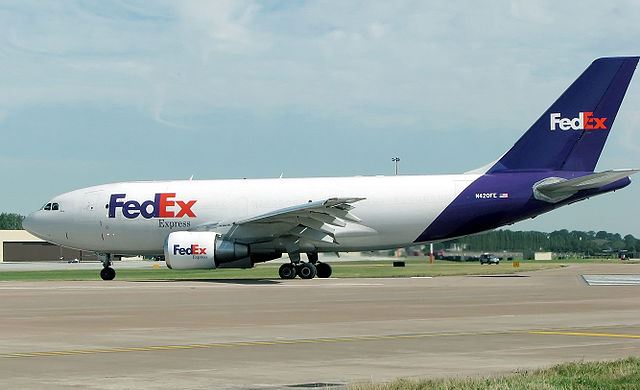
FedEx Corp. (NYSE: FDX) would see nice gains to the bottom line if its fuel costs dropped by 10%. FedEx’s ground and Smartpost segment generated revenue of $2.73 billion in recent quarterly results, witnessing an 11% rise year-over-year. The major reason behind this revenue growth was the continued growth in home deliveries and commercial business services. The consensus price target for this top name is $122, and FedEx closed Monday at $115.37. Investors are paid a tiny 0.5% dividend.
United Parcel Service Inc. (NYSE: UPS) also stands to gain with fuel costs falling. The company delivers packages each business day for 1.1 million shipping customers to 7.7 million consignees in more than 220 countries and territories. Last year, UPS delivered an average of 16.3 million pieces per day worldwide, or a total of 4.1 billion packages. It serves the global market for logistics services, which include transportation, distribution, forwarding, ground, ocean and air freight, brokerage and financing. The consensus target for the stock is $97. UPS closed Monday at $90.36. Investors are paid a reasonable 2.7% dividend.
U.S. Airways Group Inc. (NYSE: LCC) stands to benefit two ways from lower energy costs. Jet fuel is a major component of airline costs. And lower gasoline prices put more money into consumers’ pockets for discretionary spending and travelling. This and a positive outcome of its merger efforts with the parent of American Airlines could spark a huge rally in the stock. It is trading at just 6.7 times earnings, and the consensus price target for the stock is $24. U.S. Airways closed Monday at $20.58.
Costco Wholesale Corp. (NASDAQ: COST) has become the ultimate destination for the American consumer, regardless of the economy. Costco has a unique business model: It operates membership warehouses and the company buys the majority of its merchandise directly from manufacturers, essentially cutting out the middle man. Costco sells in bulk, but also at a lower price, thus fueling its rapid growth. With consumers having more free cash to spend as gasoline prices come down, this major retailer may see large revenue gains. Investors are paid a small 1.1% dividend. The consensus price target for the stock is $123, and Costco closed Monday at $116.26.
Target Corp. (NYSE: TGT) is another top retail name that may have an exceptional Christmas selling season if gas prices drop and consumers have more cash to spend. Most Wall Street analyst are bearish on the holiday shopping season, which is yet another to reason to like the top retailing names. Investors are paid a 2.7% dividend. The consensus price objective for the stock is $70, and Target closed Monday at $63.65.
TJX Companies Inc. (NYSE: TJX) stands to benefit as it is the low-price leader in retail. To build its e-commerce infrastructure, T.J. Maxx bought online off-price retailer Sierra Trading Post for $200 million in cash last December. Fashion bloggers are gushing over the new T.J. Maxx online selection, especially “The Runway,” which is devoted to luxury designers. Pent-up demand to buy online clearly exists. Growing online sales and increased store traffic may bode well for this top name to buy. The consensus price target for the stock is $60, and the stock closed Monday at $56.19. Investors are paid a 1% dividend.
The benefits of a fall in crude oil pricing are tremendous. Cowen estimates a fall to $90 could redirect more than $71 billion in consumer spending from gasoline to discretionary items. That is a huge amount that most Wall Street analysts do not have plugged into their models. If it does occur, the economy and the stock market may have an awesome 2014.







 Top Gaining Stocks
 Top Losing Stocks