Fitbit Looks For A Way To Survive Without A Future

Photo of Douglas A. McIntyre
By Douglas A. McIntyre Updated Published
This post may contain links from our sponsors and affiliates, and Flywheel Publishing may receive compensation for actions taken through them.
Fitbit Looks For A Way To Survive Without A Future

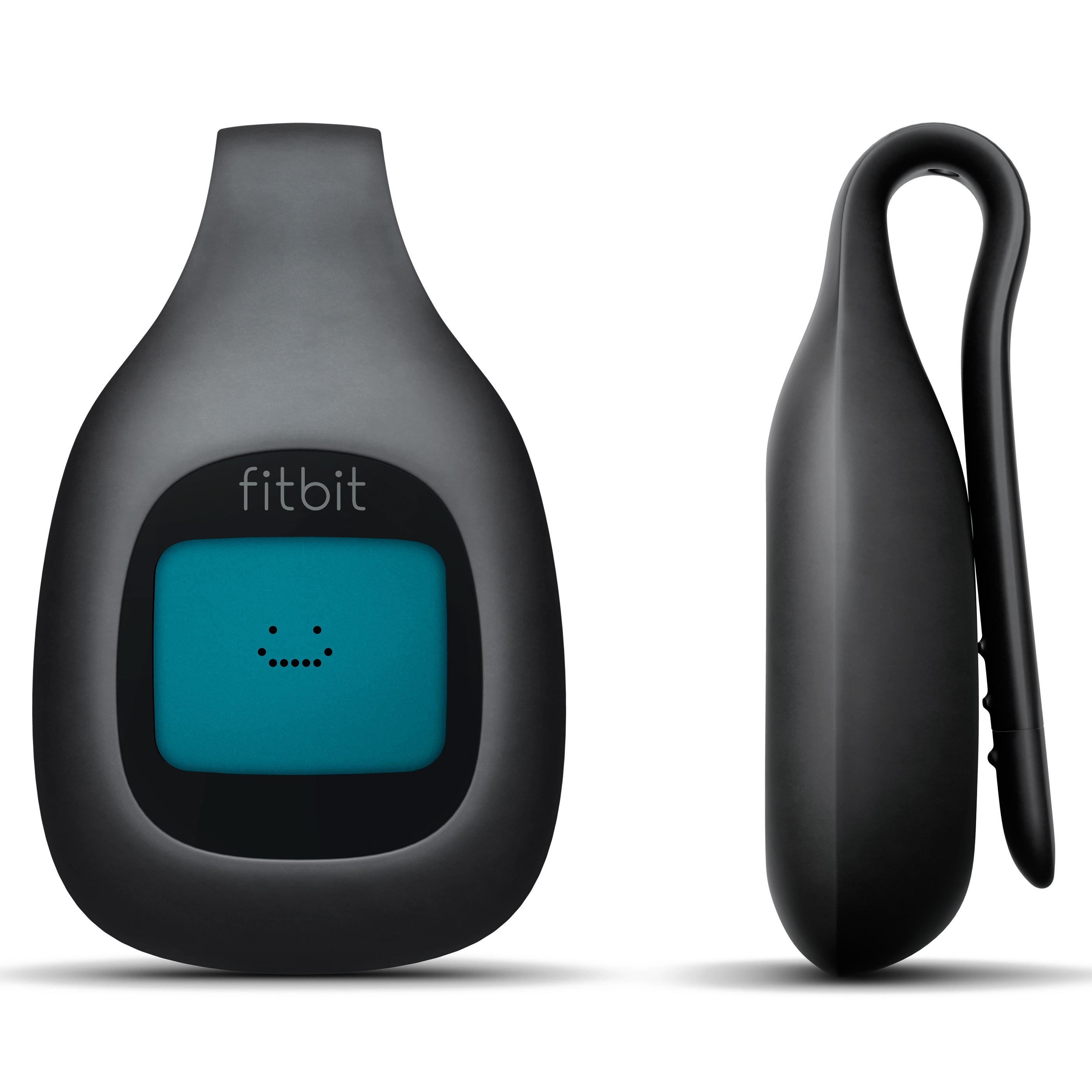
© Courtesy of Fitbit Inc.

Wall St. continues to walk away from Fitbit (NYSE: FIT) as it becomes clearer and clearer that it has absolutely no future, perhaps even as part of another company. On the back of poor earnings over time, its shares are down 64% in the last two years, and 18% this year.

Fitbit’s first quarter revenue dropped from $299 million last year to $248 million. Its net loss per share was $.34 compared to last year’s loss of $.27. Guidance was poor enough to make investors scurry away from the shares. Fitbit has over $500 million in cash and securities on its books. Its market cap is less than $1.2 billion. Its value based on its operating results is small

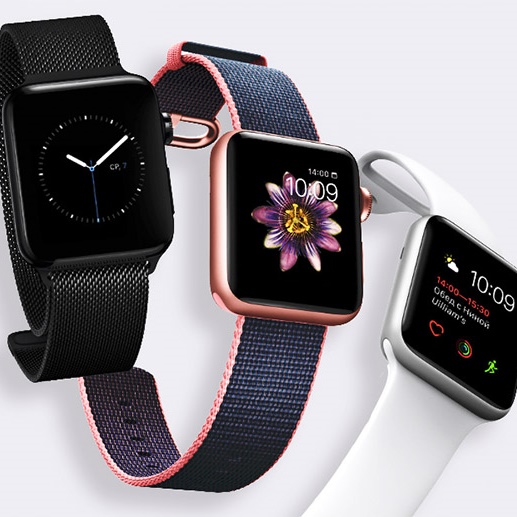
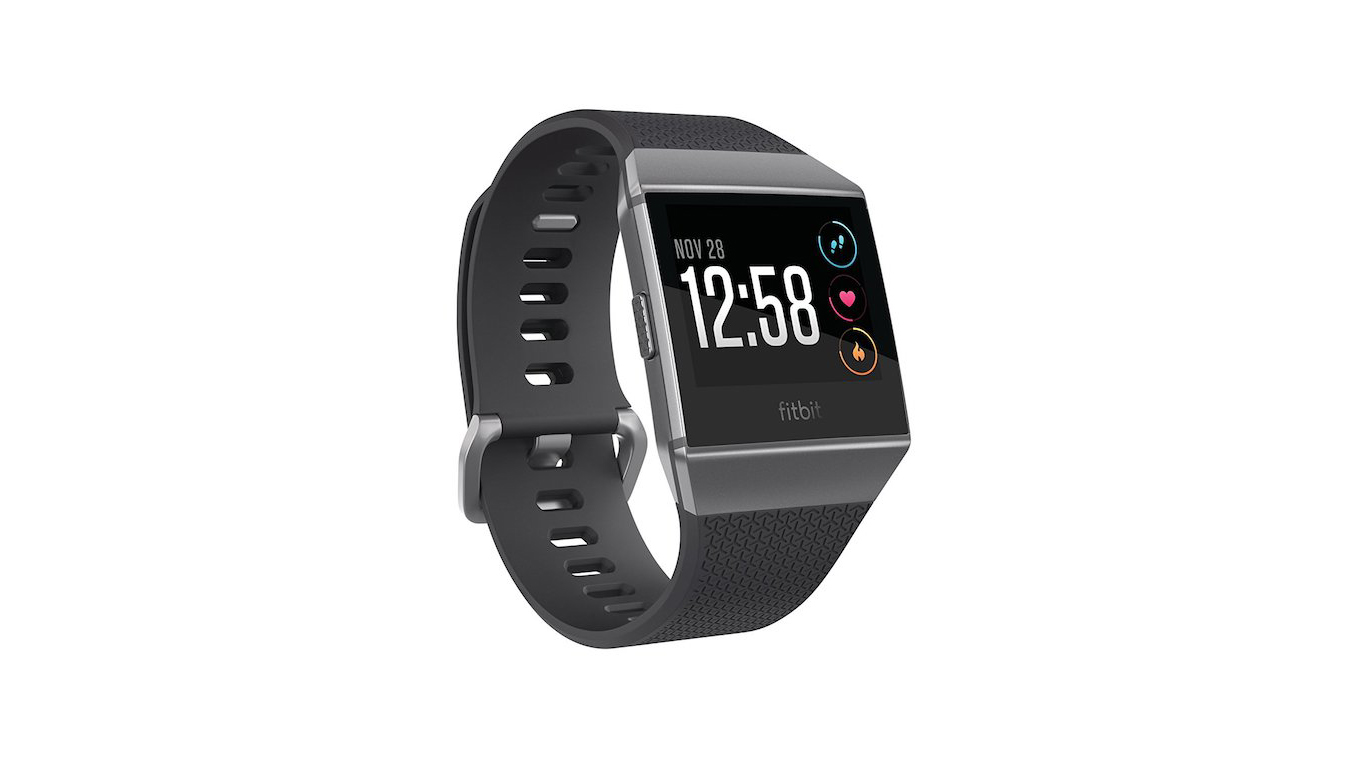
Fitbit’s products have very few exclusive features, and are expensive for many consumers. The Fitbit Ionic Watch costs $249, for example. The Apple Watch Series 1  costs exactly the same. What consumer would not buy the Apple product with Apple’s reputation for quality and its wildly strong brand and brand recognition?

Fitbit management needs a buyer for the company, because its revenue is shrinking fast enough so that it will disappear into consumer tech oblivion. Why will any outside corporation want to catch a falling knife. Almost certainly none.

When Fitbit announced earnings, James Park, co-founder and CEO, said:

“We made important progress in the transformation of our business in the first quarter as we continue to adapt to the changing wearables market. Early sell through of Fitbit Versa, our first true mass appeal smartwatch, has been the best in our company’s history, positioning us to expand our user base and capture greater share of the fast-growing smartwatch market. We continued to deepen our relationship with our users, investing in software and services that deliver on our promise of helping people achieve better health outcomes. To this end, we closed the acquisition of Twine Health and, most recently announced a long-term collaboration with Google that will accelerate innovation in digital health and wearables.”

Adapting to a changing market means Fitbit has to catch up, and it too far behind to do so.


Photo of Douglas A. McIntyre
About the Author Douglas A. McIntyre →

Douglas A. McIntyre is the co-founder, chief executive officer and editor in chief of 24/7 Wall St. and 24/7 Tempo. He has held these jobs since 2006.

McIntyre has written thousands of articles for 24/7 Wall St. He is an expert on corporate finance, the automotive industry, media companies and international finance. He has edited articles on national demographics, sports, personal income and travel.

His work has been quoted or mentioned in The New York Times, The Wall Street Journal, Los Angeles Times, The Washington Post, NBC News, Time, The New Yorker, HuffPost USA Today, Business Insider, Yahoo, AOL, MarketWatch, The Atlantic, Bloomberg, New York Post, Chicago Tribune, Forbes, The Guardian and many other major publications. McIntyre has been a guest on CNBC, the BBC and television and radio stations across the country.

A magna cum laude graduate of Harvard College, McIntyre also was president of The Harvard Advocate. Founded in 1866, the Advocate is the oldest college publication in the United States.

TheStreet.com, Comps.com and Edgar Online are some of the public companies for which McIntyre served on the board of directors. He was a Vicinity Corporation board member when the company was sold to Microsoft in 2002. He served on the audit committees of some of these companies.

McIntyre has been the CEO of FutureSource, a provider of trading terminals and news to commodities and futures traders. He was president of Switchboard, the online phone directory company. He served as chairman and CEO of On2 Technologies, the video compression company that provided video compression software for Adobe’s Flash. Google bought On2 in 2009.

Featured Reads

Our top personal finance-related articles today. Your wallet will thank you later.

Continue Reading

Top Gaining Stocks

CBOE Vol: 1,568,143
PSKY Vol: 12,285,993
STX Vol: 7,378,346
ORCL Vol: 26,317,675
DDOG Vol: 6,247,779

Top Losing Stocks

LKQ
LKQ Vol: 4,367,433
CLX Vol: 13,260,523
SYK Vol: 4,519,455
MHK Vol: 1,859,865
AMGN Vol: 3,818,618