



By David Callaway, Callaway Climate Insights
LATEST NEWS AND INSIGHTS
- Chesapeake Energy bankruptcy sets worst default pace in four years
- Norway’s water power the key to Europe’s hydrogen plane fuel venture
- U.S. flood risk almost twice as bad as FEMA expects
- Democrats offer new climate plan as Trump threatens ESG, infrastructure spending
SAN FRANCISCO (Callaway Climate Insights) — Chesapeake Energy’s Corp.’s (CHK) bankruptcy filing over the weekend was among the most spectacular since Enron Corp. in 2001 in terms of personalities, stories of lavish spending and fossil fuel hubris. It also marks 2020 as the worst in four years in numbers of oil company defaults, and it’s only the end of June.
Chesapeake was a victim of a collapsed shale oil market more fragile and more tied to low interest rates than anyone could have imagined even two years ago, when fracking helped the U.S. claim it was the largest energy producer on the planet for the first time in almost 50 years.
While the circumstances were entirely different from Enron’s collapse, the two companies shared the common corporate ego that compelled them to brand their local sports stadiums with their logos at the top of their games.
Enron Field in Houston was named Astros Field after Enron’s collapse and is now Minute Maid Park, which, by the way, bodes poorly for orange juice futures. Chesapeake Energy Arena, home to the Oklahoma Thunder basketball team in Oklahoma City, will remain for now as the company works out its restructuring plan. But it is unlikely to outlast the coming surge in oil bankruptcies in the next 18 months.
I’ve always contended the story of America’s boom-and-bust economic cycle in the past 30 years can be told through the names of its sports arenas. Here in San Francisco alone, we’ve had four names for the bayside ballpark where the Giants play baseball — three merged telecoms and now it’s Oracle Park. And remember CMGI Field, named for a holding company of failed Internet startups, which housed the New England Patriots for a time?
As the fossil fuel industry yields to rising renewable investments in the next decade, we can only hope history doesn’t repeat itself for the newly-named Climate Pledge Arena, named last week by Amazon for Seattle’s new hockey team.
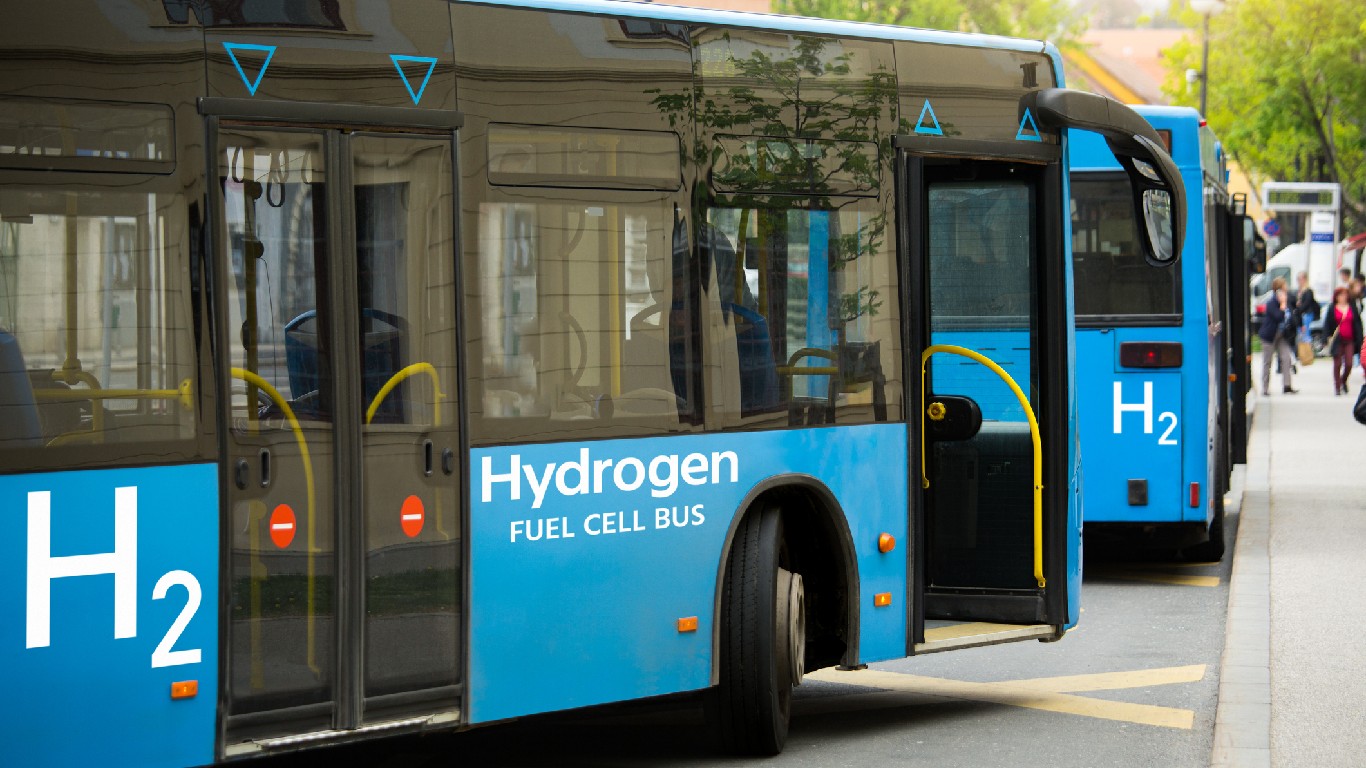
Norway’s water power key to Europe’s hydrogen plane fuel venture
. . . . Norway’s 120-year-old hydroelectric power tradition makes it the obvious candidate to house a new consortium of northern European companies who want to build the world’s first green hydrogen-based aviation fuel operation on an industrial scale, writes Darrell Delamaide. The consortium plans to use Norway’s hydroelectric and wind power to produce synthetic fuel, reaching 10 million liters by 2023 and 100 million liters, the threshold for commercially viable production, by 2026.
Startups Sunfire of Germany and Climeworks of Switzerland will bring their technologies for power-to-liquid production and direct air capture to split hydrogen from oxygen in water and combine with carbon dioxide to create a synthetic gas that can be processed into liquid products, in this case aviation fuel. . . .
. . . . Flood gates: Like everybody else who read this fascinating story in USA Today Monday about flood risk, I quickly checked my own home’s risk here in Marin County. Phew, no flooding. Just wildfires.
But more than 14.6 million homes are at increased flood risk, about 40% more than the Federal Emergency Management Agency estimates, according to data firm First Street Foundation. Flooding in the Midwest, like we saw in Michigan this spring, is forecast to be particularly bad. In Chicago, more than 75,000 homes not previously considered at risk are on First Street’s database. And yes, low income neighborhoods bear the brunt of the risk. . . .
. . . . Meanwhile in Washington, House Democrats on Tuesday offered a sweeping new climate plan to update the Green New Deal and draw a climate line in the Election Year sand. The plan covers almost all aspects of the economy in a 547-page document. But most ambitious — and controversial — will be its attempts to eliminate all pollution from cars by 2035.
The new offer comes as Democrats hope to schedule a vote in the next few days on their $1.5 trillion infrastructure bill. The bill, laced with green incentives, faces little chance of passing the Senate and the White House is openly opposed to the debt spending plans to finance it. This follows a one-two punch against the environmental finance industry by the Trump Administration in the past week in which it uses regulation — regulation — to inhibit green shareholder resolutions and prevent financial advisers from investing in ESG strategies.
The ESG rule, proposed by the Labor Department, is sparking wide interest as it not only fails to see environmental, social and governance investing as practice instead of an asset class; it also discounts the substantial gains ESG funds and ETFs have enjoyed in the first half of this year. The proposal forbids advisers from investing securities for any reason other than financial returns. Oil stocks, anyone? . . . .








 Top Gaining Stocks
 Top Losing Stocks