


By David Callaway, Callaway Climate Insights
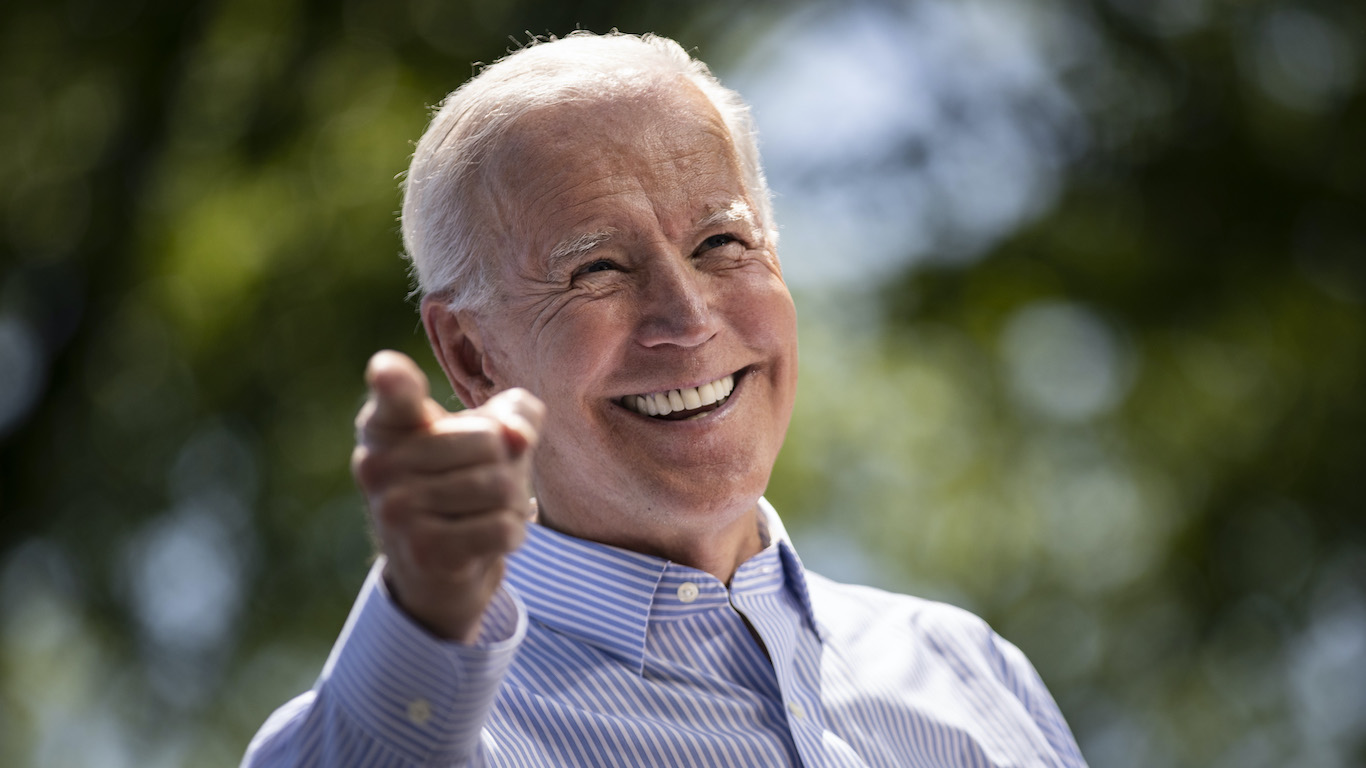
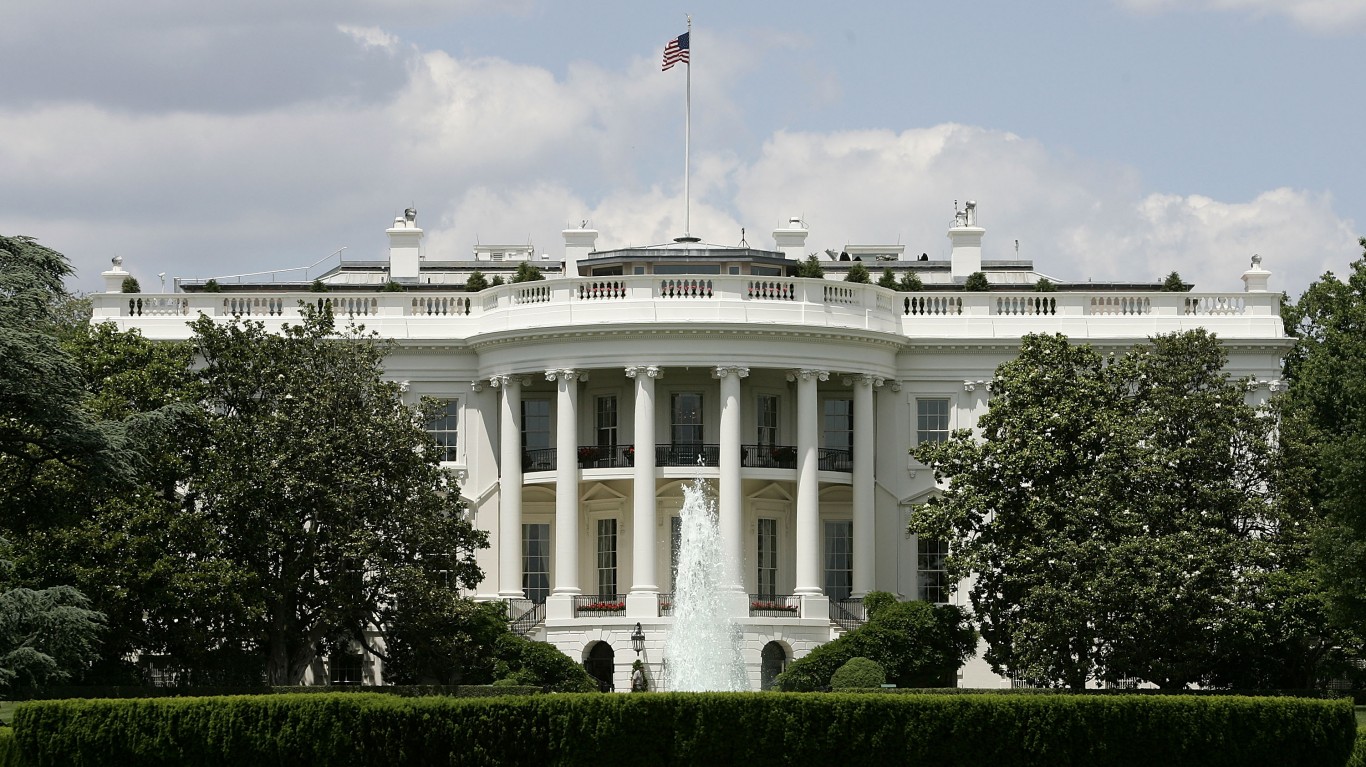
Faced with attacks on his climate agenda from all sides, President Joe Biden’s proposed budget this week to raise taxes on the rich and lower the budget deficit could be just the roll of the dice needed to kickstart environmental momentum.
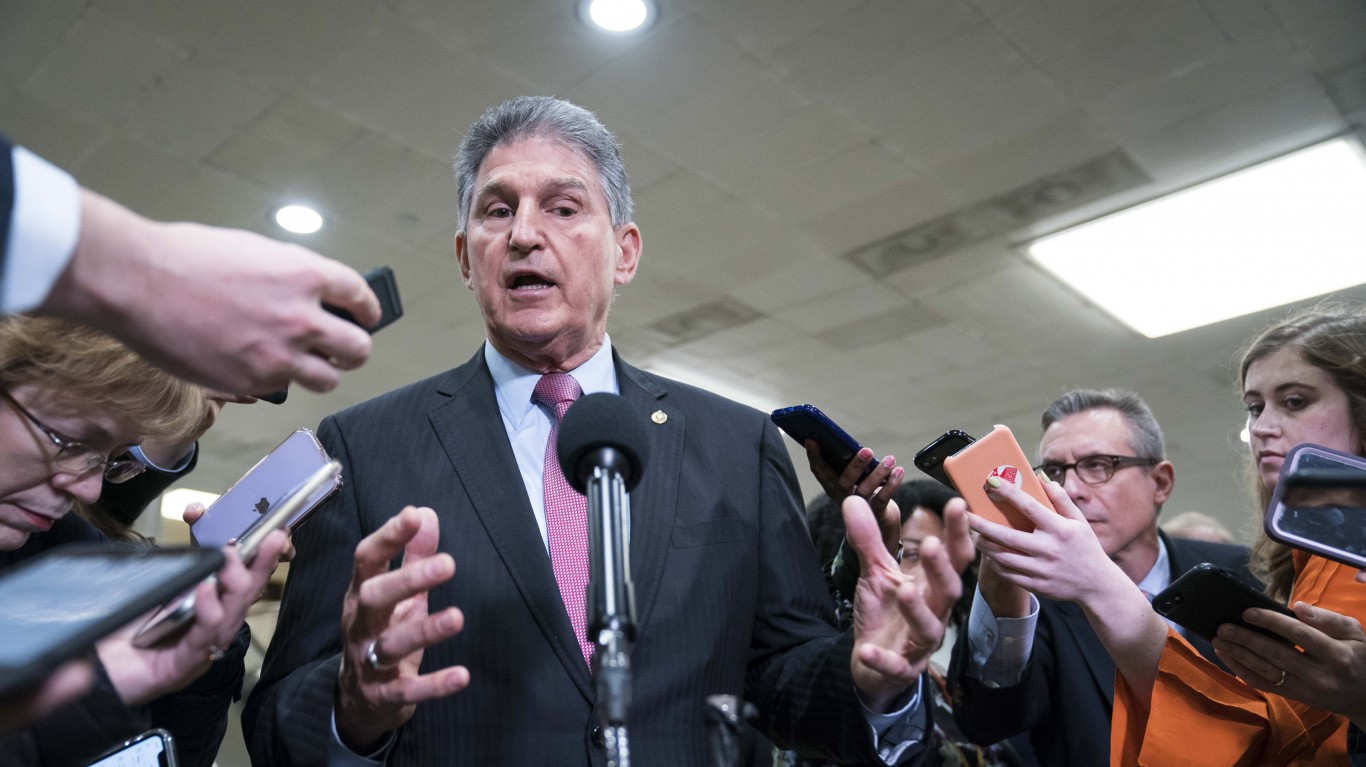
While the $5.8 trillion proposal is just a wish list that will be battled over in Congress in coming months, it focuses on a couple of things near and dear to the heart of Sen. Joe Manchin (D-W. Va.), who has held the president’s Build Back Better legislation hostage for more than a month.
Manchin’s desire to cut spending and the deficit, and to raise taxes to fund things like fighting climate change, are both featured in the budget. Take that along with the fact that everybody in Washington has stopped talking about cutting fossil fuels since the war started, and you can see why the coal baron senator is starting to make noises about revisiting a slimmed-down Build Back Better bill.
It’s likely the two proposals will be combined in some way in coming months, with the potential to come to a deal before the August recess, which would suit the Biden team fine just ahead of midterm elections. Plenty of Biden’s budget proposal — such as taxes on America’s 700 richest — likely won’t fly.
But the climate spending in the budget of $45 billion is less than a tenth of what’s in the current BBB bill, so there is lots of room for negotiation if the two sides can keep all of the other noise out.
More insights below . . . .
Halfway around the world from Ukraine, war’s impact hits Brazil environment
. . . . Brazilian leader Jair Bolsonaro is in a jam, caught between his support of Russia’s invasion of Ukraine and the collapse of fertilizer exports from the country to Brazil, which support its massive soybean crop, writes Michael Molinski. Without the Russian fertilizer, Bolsonaro is being forced to dig up the Amazon Basin even more to look for minerals to make it himself, or pay through the teeth from rivals — both unappetizing prospects. A deal he negotiated with Vladimir Putin just before the war began has now backfired. And the environment is paying the penalty. . . .
Tuesday’s subscriber insights: Is China back-tracking on its Russian oil deal?
. . . . The West’s unexpectedly united reaction against Russia for its invasion of Ukraine has sparked much discussion around the world, nowhere more so than in China, which must see it as a preview of the reaction to any intentions China might have in Taiwan. That’s why reports of China’s biggest oil company backing off a big new project in Siberia are causing geopolitical heads to turn. Read more here. . . .
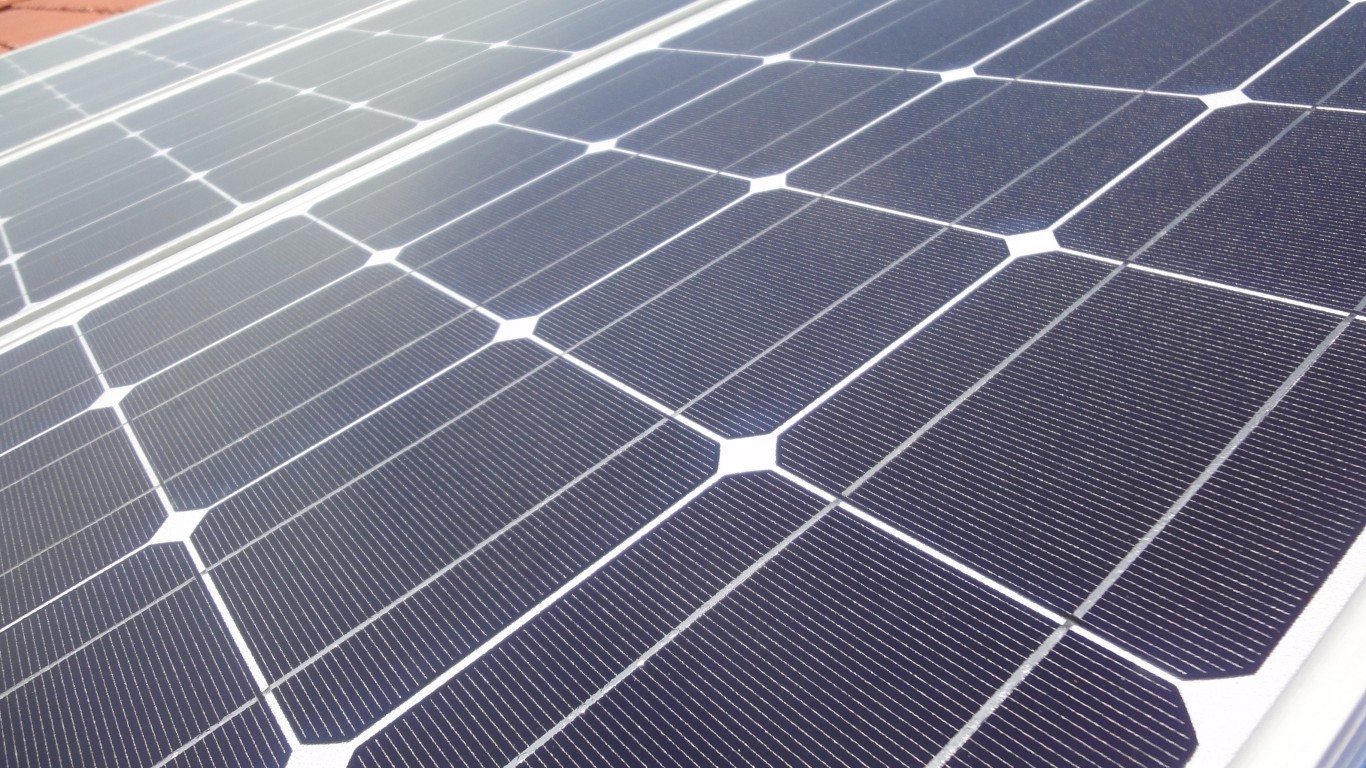
. . . . Solar stocks rose Tuesday after reports that the Commerce Dept. would probe backdoor dumping of Chinese solar panels through other Asian countries, even as clean energy groups derided the news as potentially devastating to the U.S. solar industry. The disconnect highlights Team Biden’s difficulty in measuring workers’ rights against the climate goals of a rapid transition to solar and wind power. Read more here. . . .
Editor’s picks: Safest places to live amid climate change (Antarctica isn’t one of them)
Massive ice shelf unexpectedly collapses in Antarctica
Just over a week ago, at the start of a freak heat wave in east Antarctica where temperatures soared to as high as 70 above normal, an ice shelf the size of New York completely collapsed. The area was long thought by scientists to be stable and relatively little-affected by climate change. Seth Borenstein reports for Phys.org, “The collapse, captured by satellite images, marked the first time in human history that the frigid region had an ice shelf collapse.” According to the report, the 1200-square-kilometers ice shelf holding in the Conger and Glenzer glaciers from the warmer water collapsed between March 14 and 16. “The Glenzer Conger ice shelf presumably had been there for thousands of years and it’s not ever going to be there again,” said University of Minnesota ice scientist Peter Neff.
NY state leads hydrogen hub efforts
New York is leading a consortium that includes Connecticut, Massachusetts, and New Jersey to be part of at least four regional clean energy hydrogen hub developments through the federal Regional Clean Hydrogen Hubs program. The agreement includes an initial group of 40 hydrogen partners, according to a report in Offshore-energy.biz. Partners will collaborate with state and federal agencies to develop proposals in response to the U.S. Department of Energy (DOE) funding opportunity, which is to launch in May 2022 with $8 billion in funding available.
Data driven: Plastic everywhere
. . . . By 2050, the world’s oceans will contain more plastic than fish if current trends continue, according to The World Counts. So far this year, we already have dumped more than 3 million tons of plastic waste into the oceans. Plastics are virtually everywhere — even inside the human body. The first major research study looking for the presence of plastics in human blood shows detectable particles on 77% of those tested. Researchers said the form of plastic most detected was polyethylene terephthalate (PET), a general-purpose thermoplastic polymer commonly used in the production of drink bottles, food packaging and clothing. The research, titled Discovery and quantification of plastic particle pollution in human blood, was published in Environment International. The authors of the study said plastic particles can enter the human body via the air as well as through food and drink. . . .









 Top Gaining Stocks
 Top Losing Stocks