


By David Callaway, Callaway Climate Insights
It is inevitable that for the world to adapt to climate change we’ll need more horsepower than we do now on the data and science front. Enter artificial intelligence.
Gains made in AI in the next few years will disrupt every industry and create opportunities to do things we never would have thought of before. Late last week, a coalition of nine technology companies and climate change groups announced a joint plan — called Climate Trace — to track all greenhouse gas emissions in the world real-time.
If successful, it is the holy grail of the climate crusades. An independent tracker of emissions data could monitor every country, every company, every ship or plane for that matter, in a way that would remove the squabbling over data and motives that has fractured global efforts to collectively combat what is a global problem.
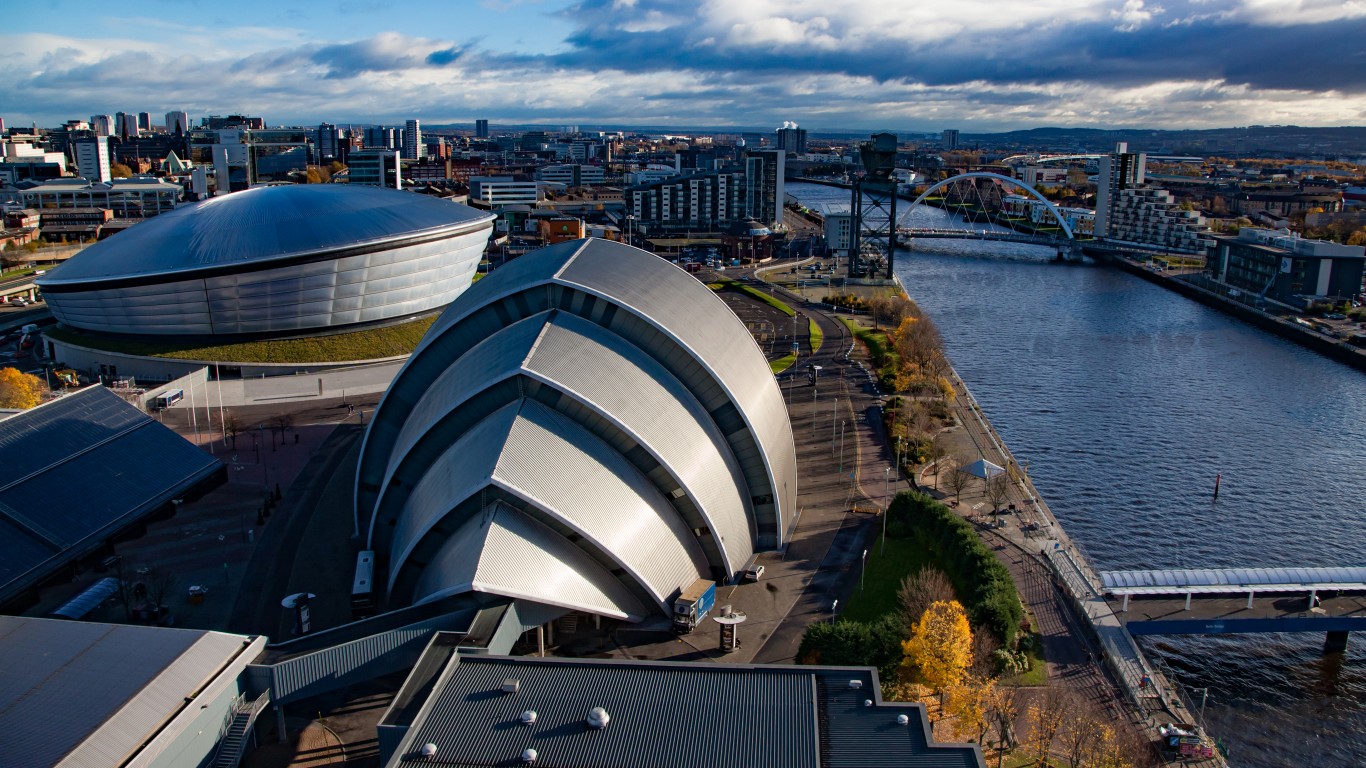
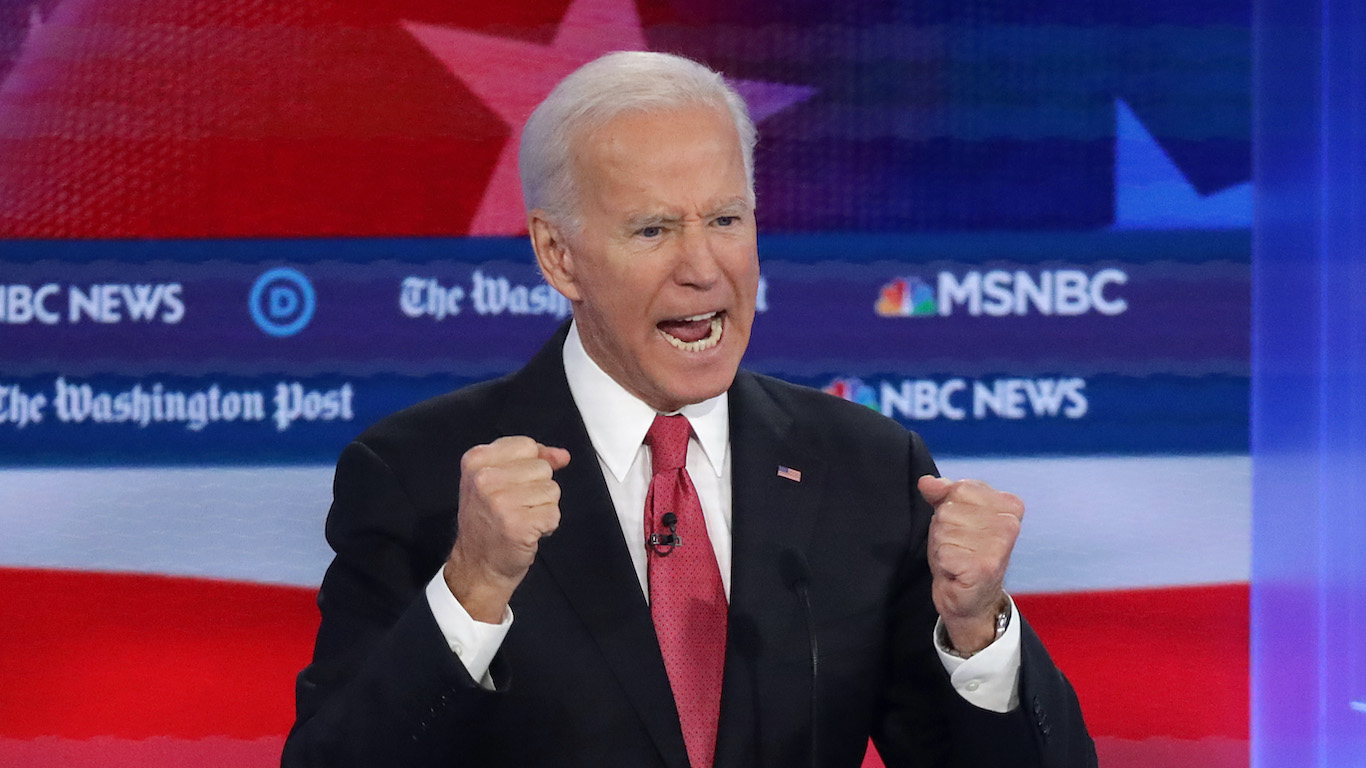
The group, led by former Vice President Al Gore, is optimistic it can have something ready by the Cop26 conference in Glasgow, now scheduled for November 2021, thanks to Covid-19. Gore told a Bloomberg Green conference Tuesday that he expects a hard launch in six months and by next June to be able to report global emissions every six hours, which is not real-time but close enough to start.
The news release is the easy part though, and like all machine learning and AI projects, we don’t know what we’ll find or if we’ll get along long enough to use it.
For an idea about what might happen, though, I turned to an expert. . . .
‘What if a murderer never had to leave their own house?’
“The stories we tell ourselves about our present and future lives will be greatly shaped by real foreknowledge about our roads not taken.”
. . . . August Cole is a former colleague of mine at MarketWatch and currently a best-selling author of fiction about the intersection of AI and global conflict. His latest book, Burn-In: A Novel of the Real Robotic Revolution, co-authored with P.W. Singer, is a thriller about the role AI plays in society only about 15 years from now. So we asked him about climate change then.
Question: Burn-In is the story of an FBI agent and her partner on a national mission, but the partner is an AI-controlled robot — TAMS. It’s a real thriller, but you both had to imagine what AI, and indeed the world, will look like 15 years from now. What were your climate assumptions and how did you get to them?
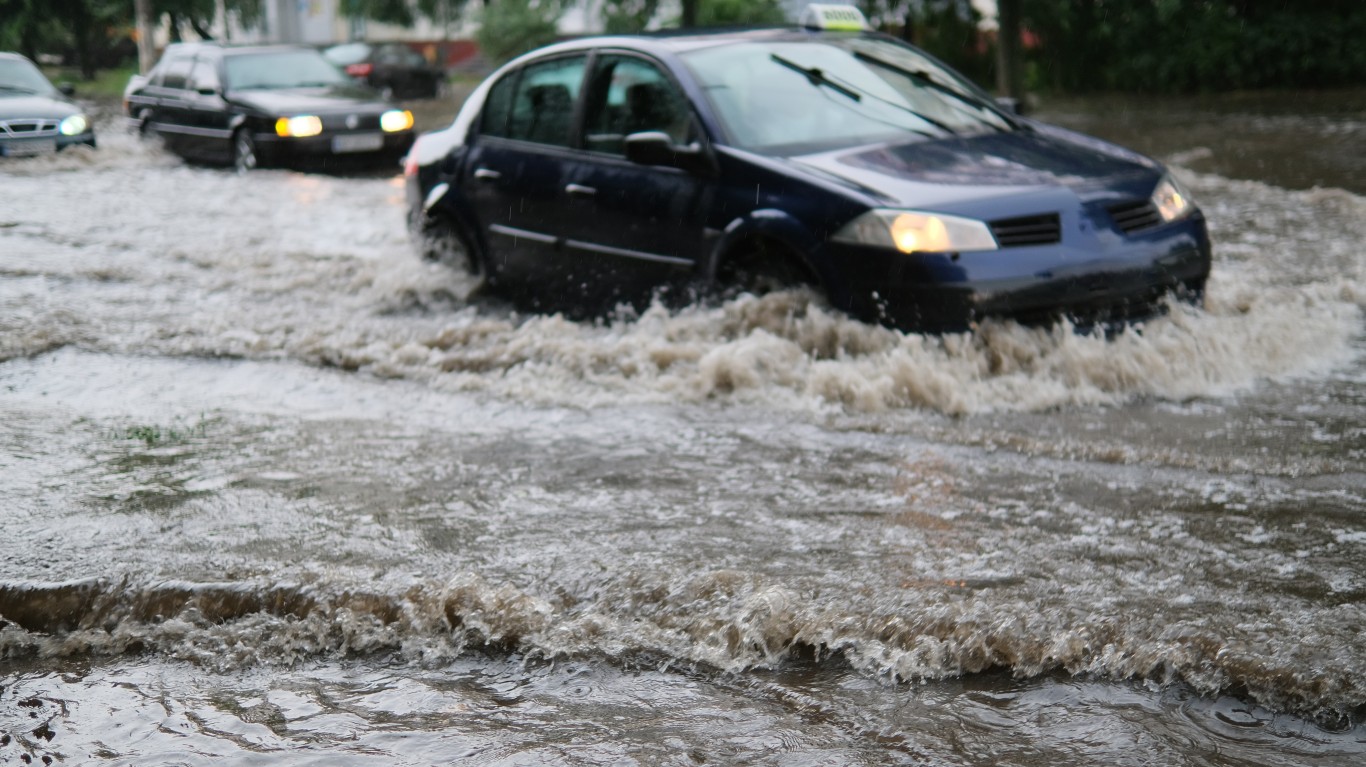
Answer: There’s a quote attributed to William Gibson, sci-fi legend who coined the term cyberpunk, that the future is already here, it’s just not evenly distributed. To riff on that, the climate of the future is already here, but it’s effects aren’t equally distributed. The weather in Burn-In is volatile, with big swings for example, that compound the other technological-driven disasters that take place in the book. It’s hotter, wetter, and unpredictable. When we were building out the world of the 2030s in Washington, D.C., we knew we had to look at some of the climate projections from international bodies like the UN, but also to understand what it would be like, in a sensory and emotional way, to live in such a world. What we wanted to do was also show how the systemic vulnerabilities that hackers could exploit in Internet-connected infrastructure could be compounded by naturally occurring extreme-weather events, such as flooding in downtown Washington. Since there is a call-to-action aspect to the novel, we wanted to demonstrate as well that the current precautions like flood barriers don’t really reflect the looming danger . . . .






 Top Gaining Stocks
 Top Losing Stocks