


By David Callaway, Callaway Climate Insights
Against a backdrop of rising seas, threatening everything from the East Coast of the U.S. to entire small countries such as Barbados and the Maldives, Venice declared a much-needed victory against flooding over the weekend as new barriers, above, successfully held back the waters for the first time in a millennium.
The MOSE defense system, an acronym that also spells the Italian for Moses, raised 78 flood barriers together for the first time, protecting three entrances to Venice’s lagoon from a tide of four-and-a-half feet, which would have put several major areas under water. See how it works here.
The controversial project is 36 years old, and so beset by financial scandals that it had become a sort of joke to the residents. But at least for now, the MOdulo Sperimentale Elettromeccanido, or Electromagnetic Experimental Module, is a triumph of innovation and engineering against climate change. One that New York City, Houston, Miami, and others should almost certainly look at. They won’t have the luxury of Venice’s thousand years to prepare.
More insights below, including a viral social media vote on the fattest bear in Southern Alaska this summer. . . .
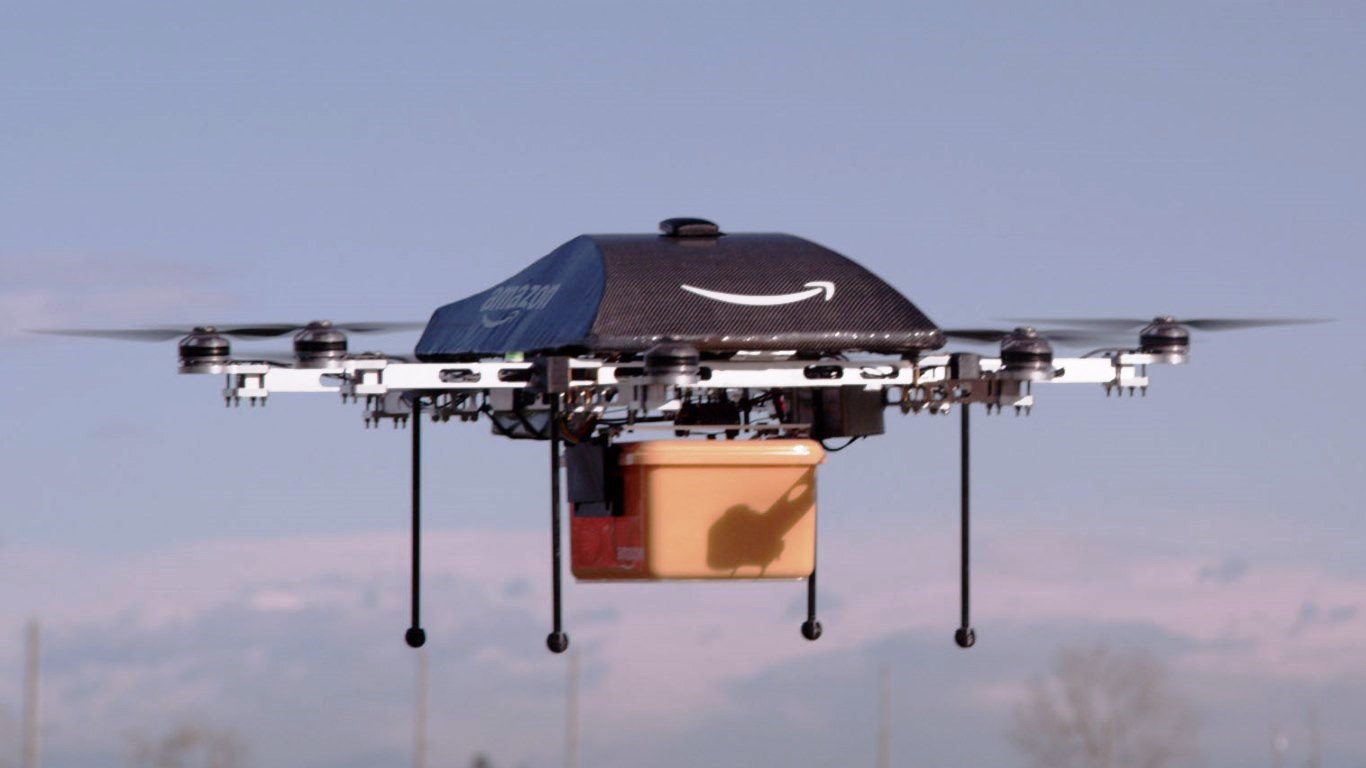
Is Amazon drone delivery really all that environmentally friendly?
. . . . The drone delivery era is about to begin in earnest now that Amazon has received approval from the Federal Aviation Administration to operate the flying machines for Amazon Prime Air. So before our skies are buzzing with flying packages of books and boxer shorts, we decided to ask West Coast drone expert Sally French, founder of TheDroneGirl.com, for her view on the environmental impact. Here is her take on the carbon footprint of the coming drone force.
“Drones are remarkably energy efficient machines, particularly when compared to the current fleet of over-the-road trucks,” said Anne Goodchild, a professor at the University of Washington focusing on supply chain and logistics.
In use cases where lightweight items are delivered over short distances (say, important documents from one building to another across a river, or blood samples from a doctor’s office to a nearby lab), there’s a case to be made that drone delivery is more efficient. But researchers also found that drones emitted more carbon dioxide than trucks when carrying heavier packages over longer distances. . . .
Britain goes green on Covid recovery; Exxon goes the other way
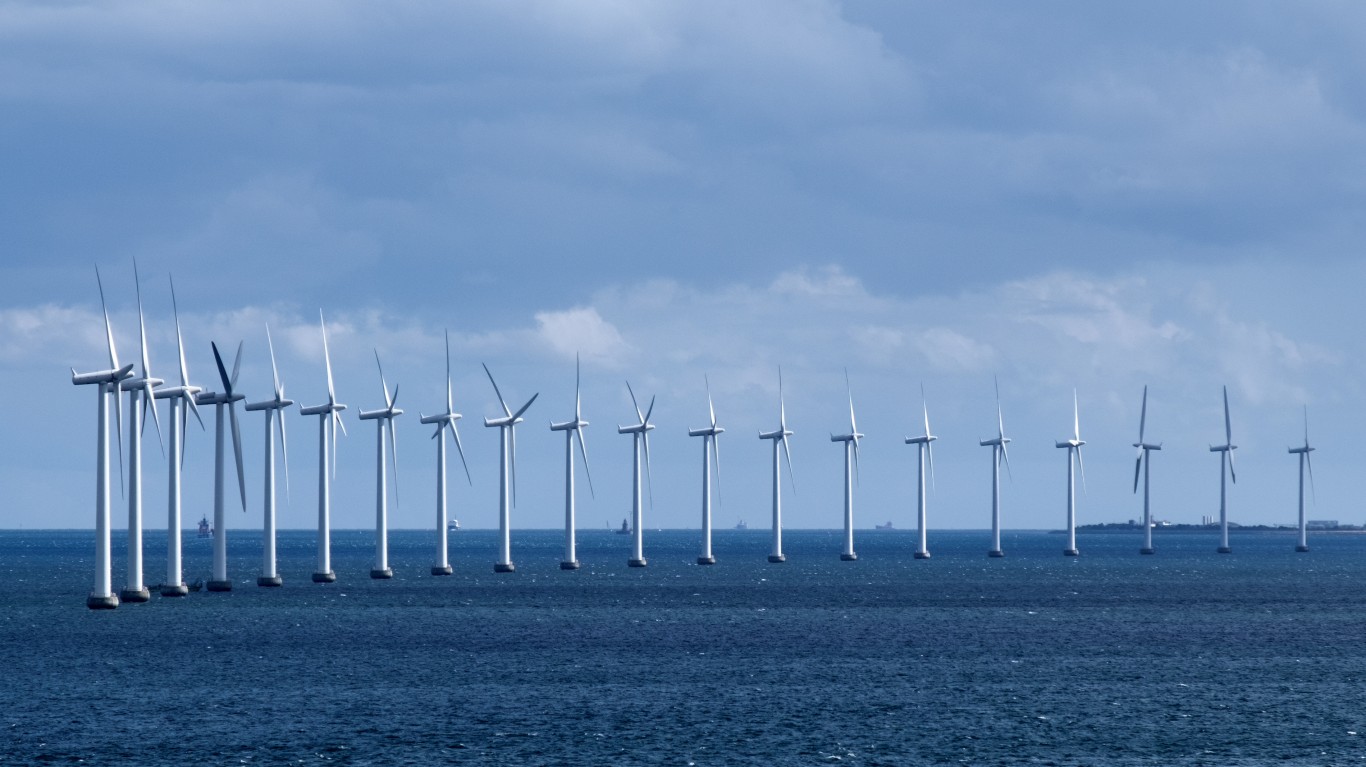
. . . . “The Saudi Arabia of wind”: Comparing your country to Saudi Arabia leaves a lot to be desired, but UK Prime Minister Boris Johnson needs a catchphrase this week. Threatened with a second wave of Covid-19 that could shut down the economy again, Johnson pivoted to renewable energy in a major speech to the Conservative Party Conference earlier today, promising that every home in Britain will be powered by offshore wind within 10 years. The promise, which critics note sounds a lot like his failed “world-beating testing” pledge for Covid-19 this past spring, included the promise of 60,000 new jobs and £160 million of investment in offshore wind farms. When in doubt, give them wind. . . .
. . . . Best-laid plans: In this day and age of corporate pledges to reduce greenhouse gas emissions, Exxon Mobil Corp. (XOM) has always stood out for its refusal to do so. Now Bloomberg reports that the oil giant’s seven-year investment plan, unveiled to investors with much fanfare in 2018, had actually calculated the company would generate 17% more emissions per year by 2025.
The story is an excellently-reported peek at Exxon’s pre-Covid plans to find more oil around the world and generate bigger cash flow and earnings from it. Exxon has never publicly forecast its emissions, but it’s probably safe to say the plan has been tweaked since oil collapsed earlier this year and the company committed to slashing spending. As for that investor day, well, XOM shares are down almost 60% since then, and were last week surpassed in market cap by NextEra Energy (NEE), the largest U.S. renewables company. . . .
. . . . Still waiting: BlackRock (BLK), which picked up the sword earlier this year to lead Wall Street’s battle to combat climate change, voted on less environmental shareholder resolutions this year than last year, according to data reported by the Financial Times. The world’s largest asset manager didn’t dispute the data, but did say that it has other weapons at its disposal besides backing shareholder resolutions. Still, a review is ongoing. . . .










 Top Gaining Stocks
 Top Losing Stocks