


By David Callaway, Callaway Climate Insights
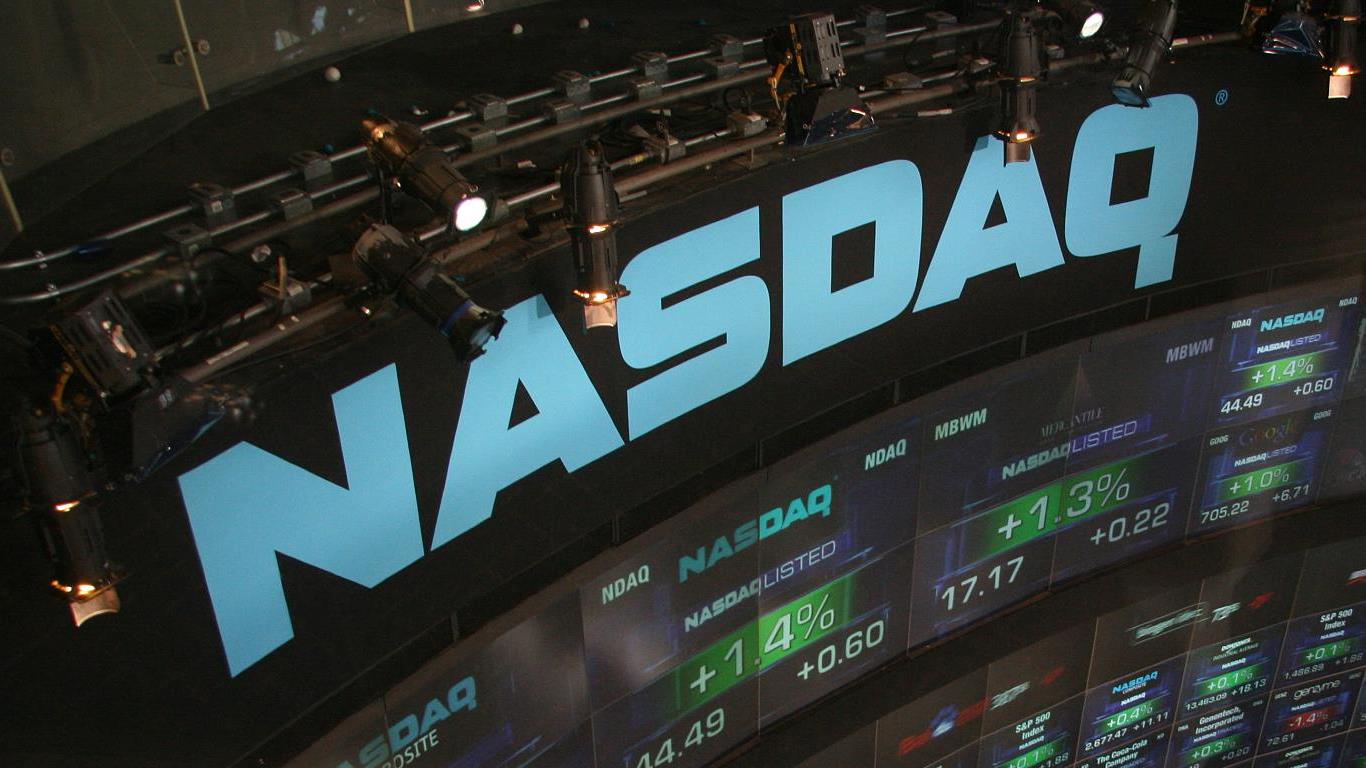
For a preview of what’s to come on Wall Street in terms of new climate initiatives under a Biden Administration, look no further than the Nasdaq stock exchange’s proposal Tuesday to require all of the more than 3,300 companies that list on it to have two diverse board members. One must be a woman, and one must self-identify as a minority or LGBTQ.
It is the first exchange to propose such a requirement, which now goes to the Securities and Exchange Commission for approval, and a huge step forward for diversity in largely white male corporate America.
It’s also a sign that Wall Street institutions — exchanges and financial regulators — are prepared to lead on environmental, social, and governance (ESG) issues. With diversity comes greater commitment to social and environmental justice. I expect we’ll see a similar climate proposal before the end of 2021.
By happy coincidence, we feature an interview today with Jean Rogers, founder of SASB and a fierce advocate for climate justice. Rogers tells Marsha Vande Berg that inequality and climate change are both systemic risks that must be addressed together.
And finally, as today is Giving Tuesday, Charity Navigator has helpfully compiled a list of worthy climate organizations who could use help should you be so inclined.
More insights below. . . .
Sustainability Stars: LTSE adviser Jean Rogers
. . . . The founder of the Sustainability Accounting Standards Board and adviser to the new Long Term Stock Exchange tells Marsha Vande Berg why the environment doesn’t have the five to seven years it may take for environmental, social and governance (ESG) standards to gain global acceptance. Jean Rogers tells how her climate journey started in a moon suit cleaning up Superfund sites and how she learned that the financial performance of companies was tied to the resilience they applied to their environmental strategies.
Q: What do you see as the primary challenge facing advocates such as yourself today?
A: ESG investors, who now represent about a third of the total market, are actually part of the problem. Their vocal and voluminous calls for transparency on every issue under the sun have created a condition where what gets measured doesn’t get managed, it simply gets disclosed. Companies have become good at reporting, rather than focusing on improving performance on what matters. . . .
Q: What has to change in our society to lead to action globally?
We have to employ systems-level thinking. As an engineer, that comes naturally to me. The risks facing portfolios, markets, and society at large are systemic risks. It’s not about one company’s diversity problem or another company’s GHG emissions, as if picking another, better performing stock is the answer. It’s the aggregate, unbridled, corporate contribution to inequality and climate change: two systemic risks that cannot be diversified.
Shorting EVs in a Tesla world
. . . . Unable to nail Elon Musk’s Tesla (TSLA) as its shares power toward $600 apiece, short sellers have increasingly turned to the bevy of Tesla wannabes, and found some success. What’s left of Nikola Corp. (NKLA) shares collapsed another 27% Monday after General Motors (GM) effectively pulled out of its deal to invest in the electronic truck company and build what was to be its signature product. GM had just announced its investment this past summer when Hindenburg Research published a damning report on company, alleging fraud. The founder of Nikola resigned a week later and GM has been furiously trying to salvage the deal ever since. What was a landmark deal to take an 11% stake and to build Nikola’s Badger pickup is now just a supply partnership in fuel cell technology. Easy come, easy go.
Meanwhile, Hindenburg took aim at another EV company this week, Kandi Technologies Group (KNDI), alleging fraud and inflated revenue reports. Shares of Kandi (KNDI), a Chinese automaker — which unlike Nikola actually has a product — plunged more than 30% after the short seller alleged it was racking up sales by selling cars to itself.
Memo to investors after Musk’s SpaceX goes public in a few years: Short those copycats. . . .
. . . . BlackRock’s Brian Deese, global head of sustainable investing, is on tap to become President-elect Joe Biden’s next senior economic adviser, running the powerful National Economic Council in the White House, reports Politico. The nomination, to come later this week, will soothe concerns on Wall Street about John Kerry and further cement sustainability into Biden economic policy. Following the nominations of Janet Yellen as Treasury Secretary, and Ceclia Rouse as chair of the Council of Economic Advisers, Biden’s economic team is taking good shape. Not everyone is excited about Deese. Progressives have long criticized his tenure in the Obama Administration, as well as his BlackRock role. But as I said last week, the biggest challenge for the new administration on climate change is to get buy-in from Wall Street on a climate transition. These appointments help. . . .
. . . . A climate change storm in a teacup in New Zealand this week amid reports the country might be excluded from the mini-Cop26 summit next weekend in the UK for not being bold enough in its climate policies. Even as the government of Jacinda Ardern promised to declare a climate emergency, politicians were bickering about whether the country would be invited to “The Sprint to Glasgow.” No word yet on whether the new climate emergency would generate broader measures from Wellington. . . .











 Top Gaining Stocks
 Top Losing Stocks