



By David Callaway, Callaway Climate Insights
Just because most oil companies bowed out of bidding for new drilling leases in the Arctic National Wildlife Refuge last week, doesn’t mean they’re done drilling. A new investigative piece by the Associated Press this week shows how drilling applications surged in the few months before the election as energy companies locked in rights to drill on federal lands in the West throughout President-elect Joe Biden’s term.
States like Wyoming, Colorado and New Mexico saw the most activity, though curiously, California also saw gains in leases, even fracking ones last year. The leases will be a key part of the upcoming battle to ban drilling on federal lands, which Biden has promised. He’s appointed Rep. Deb Harland (D-NM) as the country’s first Native American secretary of the interior to help.
The activity shows that despite the collapse of oil prices in 2020, companies are hedging their bets against a rise in prices, which might make drilling more lucrative again in a year or two. Whether they will ever use them — or be allowed to — is another matter. That the companies were served by Trump administrators in pushing through the leases is not surprising. But it should be a lesson to those in the renewable camps about the determination of the fossil fuel opposition.
More insights below. . . .
ZEUS: Electric vehicles steal CES
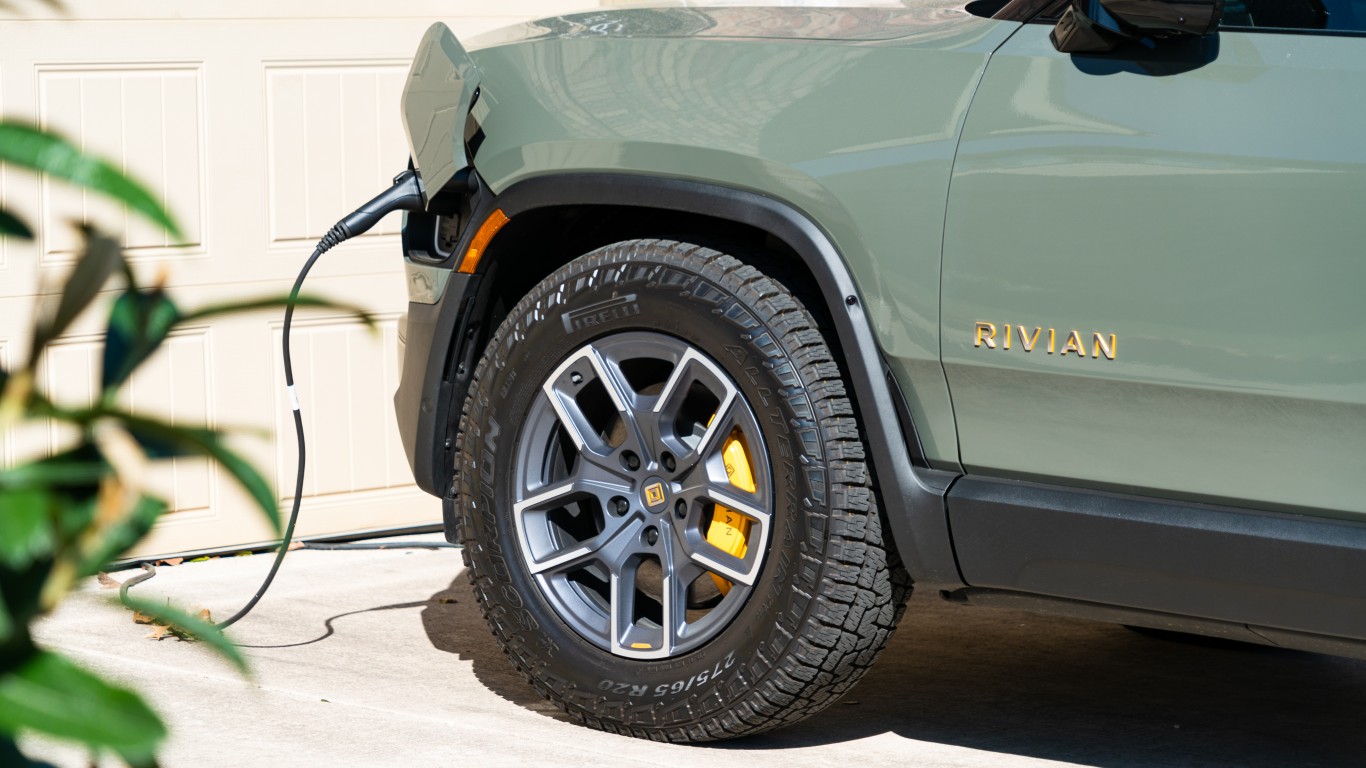
. . . . The 54-year-old Consumer Electronics Show has been increasingly about cars in recent years. The high priest of annual tech events, in Vegas every January, has carved an important niche in the annual auto calendar, especially as tech and cars come closer together. Flying cars, autonomous cars, underwater cars. No idea is too crazy for a slick presentation. This year, virtual for the first time because of Covid, CES is about electric cars, writes David Callaway. As the hype from Tesla and Nio, and even General Motors, meets increasing demand for emissions-friendly transportation, the EV market now needs to stand up to the challenge it’s created if it wants to maintain the lofty market premiums it has achieved. Not just in production of these fanciful ideas, but in developing cars people can afford to buy. Investors — even in Vegas — are watching. . . .
EU Notebook: Climate policies an early test for Brexit; plus Greta goads on deforestation
. . . . One of the first tests of the new relationship between Britain and the European Union post-Brexit will be on climate-change policies. The British goals in coming years are even greater than the EU’s, and maintaining lockstep on deals like the Paris Agreement and Europe’s Emissions Trading Scheme (ETS) are vital, writes Vish Gain. Energy traders are already worried the market will become fragmented if Britain doesn’t adapt its own cap-and-trade plan, announced last month, to the Europe ETS plan. Progress will be closely watched in the run-up to global climate summit COP26 in Glasgow in November.
It has only been two weeks since the deal was implemented, but the divergence in policies has already started to become apparent. On some fronts, this divergence manifests itself in the form of UK’s higher ambitions — such as British Prime Minister Boris Johnson’s announcement of a ban on the sale of petrol and diesel cars by 2030, one-upping the EU.
But on the other hand, the divergence in ETS may be a cause of concern. British Conservative MP Alexander Stafford told Euractiv, “It is worth bearing in mind that the more the UK diverges, the harder linkage will become, so early action is crucial.”. . .
. . . . Great read on Institutional Investor this week on why most new ESG funds are destined for failure. Gabriel Karageorgiou from Arabesque Asset Management and George Serafeim from Harvard Business School argue that the hundreds of environmental, social and governance funds introduced in the past five years are destined for consolidation or failure because of lack of a track record and inability to achieve critical size of $100 million to $250 million, among other things. Comparing ESG to other fund groupings, they say the lack of capital and performance numbers will push new investors to established leaders, creating a hierarchy with a handful of big plays. They end with several recommendations for fund managers on how to differentiate new ESG offerings, including an old maxim: be authentic . . . .
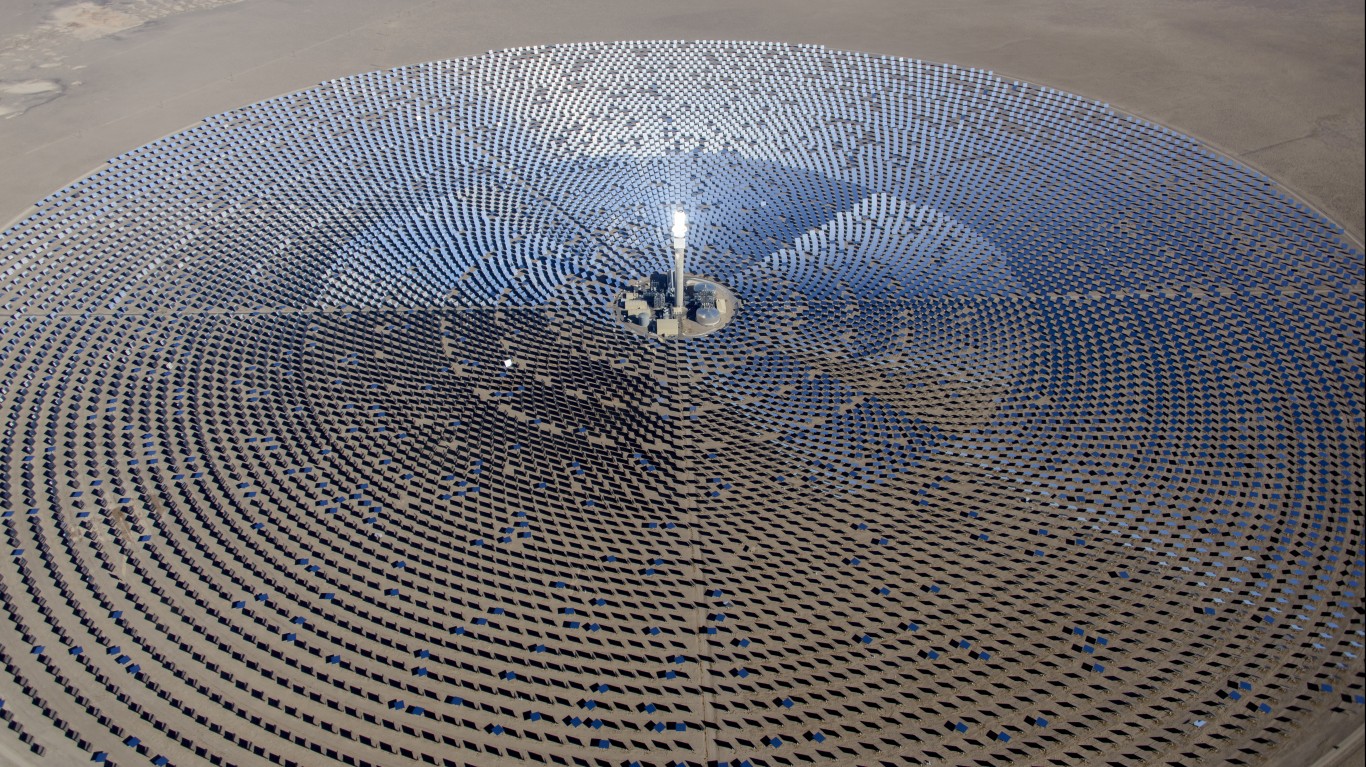
. . . . Israeli energy storage company Augwind, which uses compressed air in a battery to generate electricity, won a government deal to build a renewable energy facility, the country’s first to use compressed air storage. In the race to build battery capacity to store energy for future projects, eight-year-old Augwind is betting that air compression will outperform lithium battery storage, arguing it is more environmentally friendly. The deal is for a plant that will combine the storage with solar energy. Excess solar power during the day will be used to send compressed air into a giant tank, which will then be released as electricity when needed. Critics have argued air compression is less efficient than other battery types, as energy escapes as heat. But Israel’s Ministry of Energy, which needs to reduce emissions by 80% by 2050, is apparently willing to take a chance on a local favorite. . . .











 Top Gaining Stocks
 Top Losing Stocks