


By David Callaway, Callaway Climate Insights
Peak oil was never supposed to look like this. Instead of a last-ditch race to squeeze every drop from a ravaged planet as prices soared above $100 a barrel, all-time oil production simply petered out sometime in 2019 as prices quivered near $50 before collapsing last year. At least that’s according to Royal Dutch Shell (RDS.A), which admitted this morning its production topped two years ago, as it outlined plans to move to cleaner energy and freeze salaries worldwide in an unprecedented global re-org.
Scientists long expected oil production to peak sometime between now and 2030, but the dropping costs of renewable energy and the growing pressure on fossil fuel companies to reduce exploration and production appear to have conspired to lead to it sooner rather than later.
Expect other oil giants to give their estimates shortly, and it will be interesting to see if we can ever pinpoint the exact day. But don’t expect a massive reduction in pollution short-term. Carbon offset prices topped €40 ($49) in Europe for the first time Thursday, according to Bloomberg, as companies locked in their rights to pollute ahead of tightening regulations from the EU.
In other news, don’t miss Darrell Delamaide’s piece today on an Australian company helping Germany develop its lithium deposits to clean up in the electric vehicle race, or George Barker’s feature on CleanRobotics using AI to sort your trash. And finally, climate scientists appear to have solved one of the great mysteries of the 1950s in the mountains in Russia (Spoiler: it wasn’t a Yeti attack).
More insights below. . . .
In electric vehicle revolution, Germany may hold the power source
. . . . Rich lithium deposits in Germany’s Rhine Rift Valley have been known about for decades, but it’s only recently that they’ve stirred enthusiasm as potential battery fuel for electric vehicles, writes Darrell Delamaide. Now, Vulcan Energy Resources, an Australian-listed company dedicated solely to developing green lithium in Germany, is focused on turning regional supply chains for EV makers into a gold mine, much like Germany’s iron ore and coal did 100 years ago. . . .
EU notebook: As Europe hitches its kite to offshore wind, nuclear won’t go away
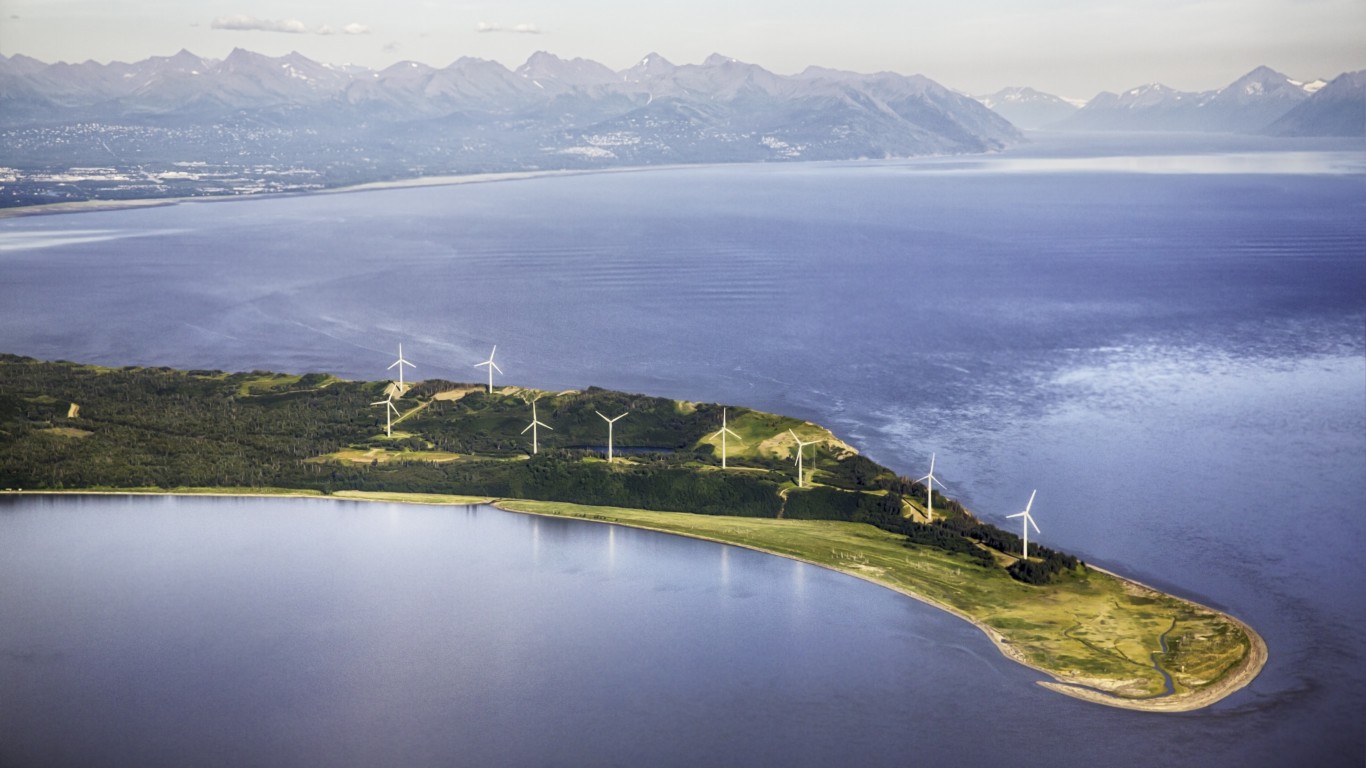
. . . . As offshore wind investment takes off in Europe, Southern countries such as Portugal and Greece are racing to capture some of the lucrative capital their neighbors to the north have raised in the past year, writes Vish Gain from Dublin. More than €26 billion ($31.5 billion) was invested in floating wind farms off the UK, the Netherlands and France in 2020. Meanwhile, some countries, such as Poland, are still enticed with the promise of nuclear, despite the costs. . . .
ZEUS: Talking climate plays with Terra Alpha’s Tim Dunn
. . . . Terra Alpha Investments was investing in European wind long before it became fashionable, as well as electric vehicles, cloud computing and even reverse vending machines, writes David Callaway. The common thread for the Washington D.C. asset manager and its founder, Tim Dunn, is a commitment to finding companies that make money while transitioning away from a carbon economy. So far it’s worked for a 90% gain in the past six years. . . .
CleanRobotics and the AI behind your trash
. . . . Can machine learning and AI be used to sort your trash? CleanRobotics, the Pittsburgh-based maker of the TrashBot, thinks so. And between falling robotics costs and rising demand and prices for waste disposal strategies in the wake of China’s ban on U.S. recyclables, the company sees a burgeoning market for its product, writes George Barker from Boston. . . .
Research on avalanches, animation may solve Dyatlov mystery
The mysterious deaths of nine hikers at Russia’s Dyatlov Pass in 1959 have fueled conspiracy theories including secret military tests and even Yeti attacks. But researchers using studies involving avalanches and car crashes, and even inspired by Disney’s animated hit “Frozen,” have come up with another explanation: a rare, small, delayed avalanche. It turns out snow science may have solved the mystery, Robin George Andrews writes for National Geographic. An article just published in the journal Communications Earth and Environment describes how the researchers analyzed the precise location of the fatal accident and the weather conditions as they were 60 years ago. Modeling the conditions and the behavior of the snow suggests a slab avalanche could have been responsible for the deaths, researchers say. Read the full paper here.









 Top Gaining Stocks
 Top Losing Stocks