


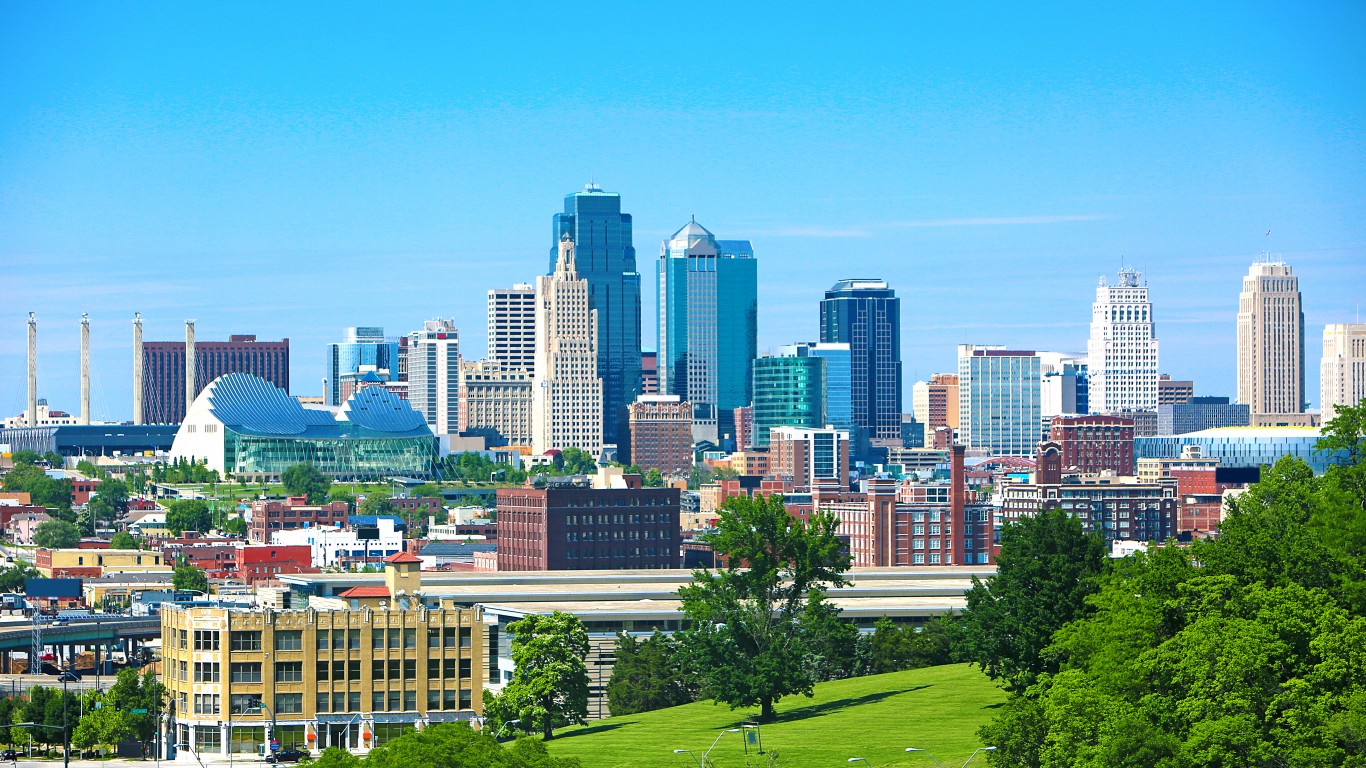
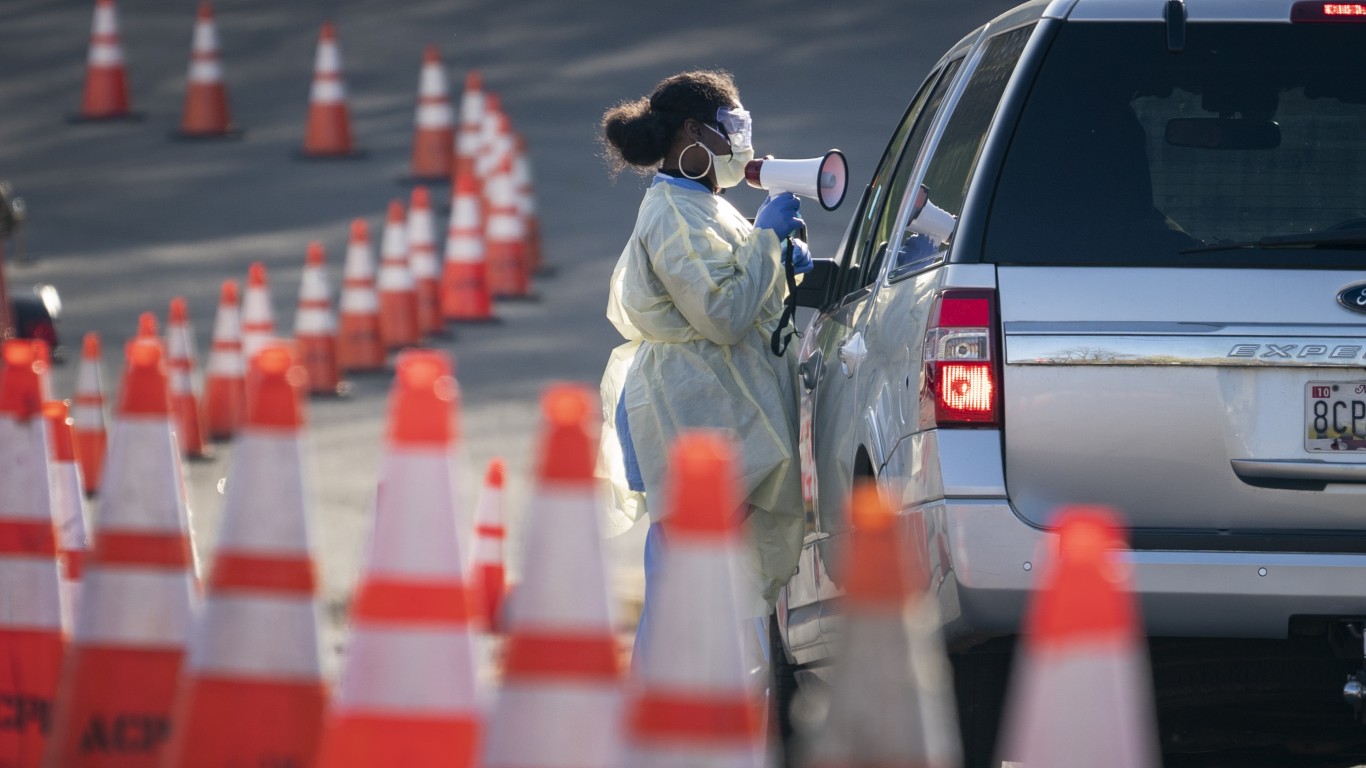
Deaths from COVID-19 rose above 500,000 in the U.S, a stunning and tragic number that comes 13 months after the first case was discovered in Washington State on January 21, 2021. According to the Microsoft Bing COVID-19 Tracker, U.S. fatal cases are 502,493. The number is about the same as the total residents of Kansas City. It is also 20% of the world’s fatal case total.
According to the U.S. Census Bureau, Kansas City, Missouri had a population of 495,327 on July 1, 2019, the last date for which a figure is given. That is up from 459,787 when the 2010 Census data were reported. That makes Kansas City the 38th largest city in the country. Most of Kansas City is in Jackson County, Missouri. The country has posted 36,552 confirmed cases and 496 deaths
How did the figure get so extraordinarily high?
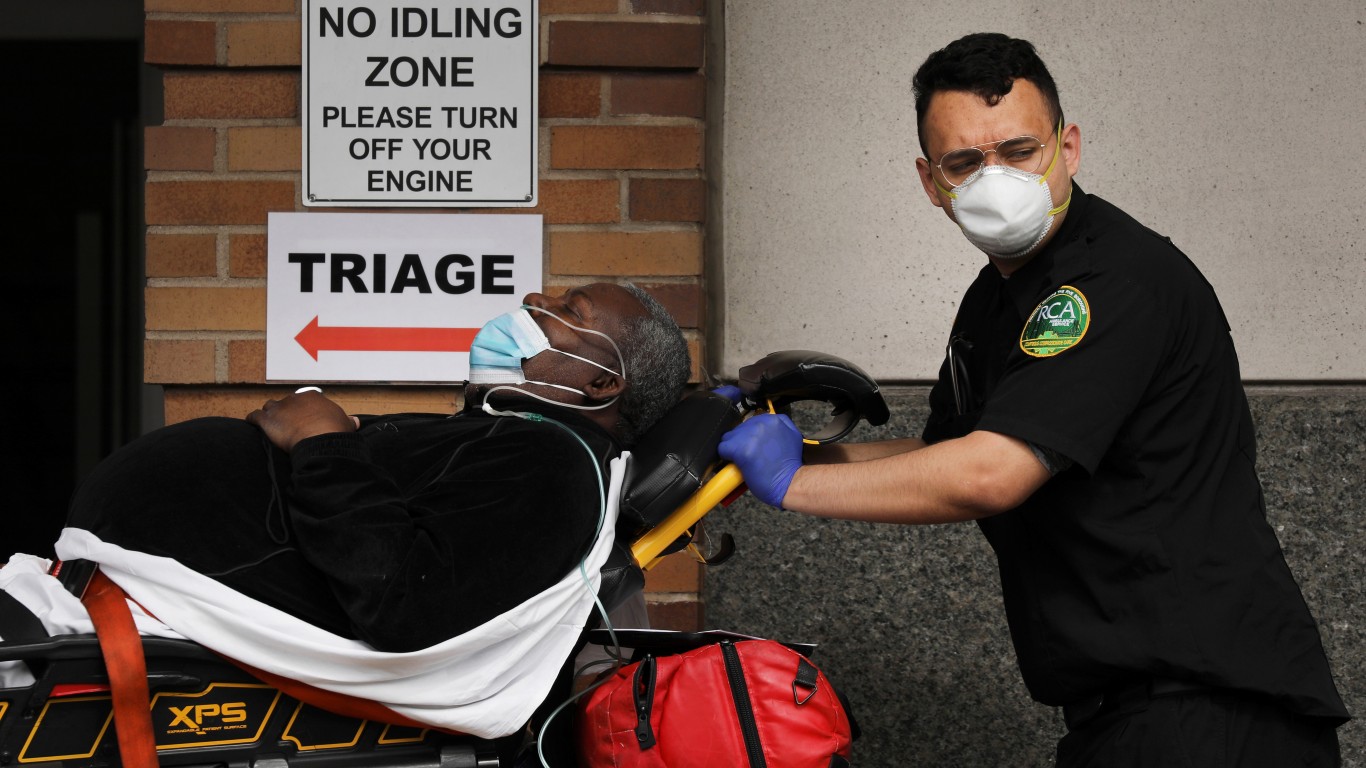
The disease hammered the Northeast and Northwest early. Deaths rose at a dizzying pace by the hundreds a day in New York City and adjoining parts of New York State, Connecticut, and New Jersey. Even though the spread in the region has slowed considerably, 28,748 people have died in New York City so far. It was the first part of the country where hospital ICUs and emergency rooms overflowed and refrigerator trucks were needed to store bodies. By May, the deadliness of the disease in the area had fallen considerably.
[nativounit]
In May, the disease moved aggressively to the South and West. States hardest hit as spring started were Florida, Texas, Arizona, and California. California still has the highest number of cases at 3,526,828 and fatal cases at 49,111. Texas ranks second with 2,593,823 confirmed cases and 42,202 deaths. The largest counties in these states suffered badly, particularly Miami-Dade, Harris County, home to Houston, and Maricopa, home to Phoenix. Along with Los Angeles County and four of New York City’s counties, these three are among the 20 counties with the most deaths in America.
Late last fall, the disease spread to the most populated county in the U.S., again, and to some of the most sparsely populated states simultaneously. Hosptial beds in Los Angeles County, the nation’s largest with over 10 million people, began to overflow. Cases and deaths per hundred thousand people spiked relentlessly in South Dakota and North Dakota, despite the fact that each is sparsely populated. The spread in these two states was blamed on the lack of state regulations for masks, social distancing, and large public gatherings.
The most virulent spread of the disease across the country peaked about a month ago. Since then, the pace at which confirmed cases and fatal cases grow each day has slowed. Total confirmed cases in the U.S. have reached 28,325,091. Some experts put the number as high as 70 million because of lack of testing and people who are asymptomatic.
The race against another surge may have already started, although some scientists believe the U.S. will reach herd immunity where 80% of the population has been infected or vaccinated by the Spring. The arguments against this are that new variants which have begun to spread among the population are more virulent than the one that infected most Americans since the start of the pandemic. Vaccination rates have also been slow largely because of lack of doses. About 13% of the American adult population is vaccinated now.
Another surge could delay the reopening of the economy until the Fall. The disease has already put as many as 8 million Americans out of work, although the figure is a major recovery from numbers last Spring when unemployment in the U.S. topped double digits. Most jobs lost are in the lower-paid hospitality and travel industries. Many of these jobs, employment experts believe, will not return. At the same time, middle and upper-class employment numbers have stayed strong, housing prices have hit new records, and the stock market makes a new peak on many days.
When the pandemic was spreading most rapidly, epidemiologists believe 700,000 Americans might be dead by early summer. That figure now looks unlikely. However, the number of 500,000 people who have died in the U.S. is among the grimmest public health disasters in American history.
Click here to read, “These Are the Most Dangerous Cities in America for COVID-19.”
[wallst_email_signup]




 Top Gaining Stocks
 Top Losing Stocks