



The leading causes of death have remained about the same for over a decade. In 2020, COVID-19 changed that. It was the third largest cause of death that year as it included 350,831. The figure will almost certainly be larger in 2021 when the CDC issues the latest figures. The top two spots have been consistent for years. In 2020, death from heart disease were 696,962. Deaths from cancer were 602,350. Both of these have been tied, in part to the American lifestyle which includes poor diet, obesity, and lack of exercise.
For cancer in particular risks include aging, personal or family history with cancer, tobacco use, obesity, alcohol, sunlight and other radiation, certain viruses, and cancer-causing substances in the environment. Avoiding or reducing these risk factors when possible could help prevent cancer.
While we cannot control aging – the median age of a cancer diagnosis is 66 years – we can minimize many of the other factors. Even simply increasing vaccination rates against the human papillomavirus would help prevent some cancer cases, as infections with high-risk types of HPV cause nearly all cervical cancers.
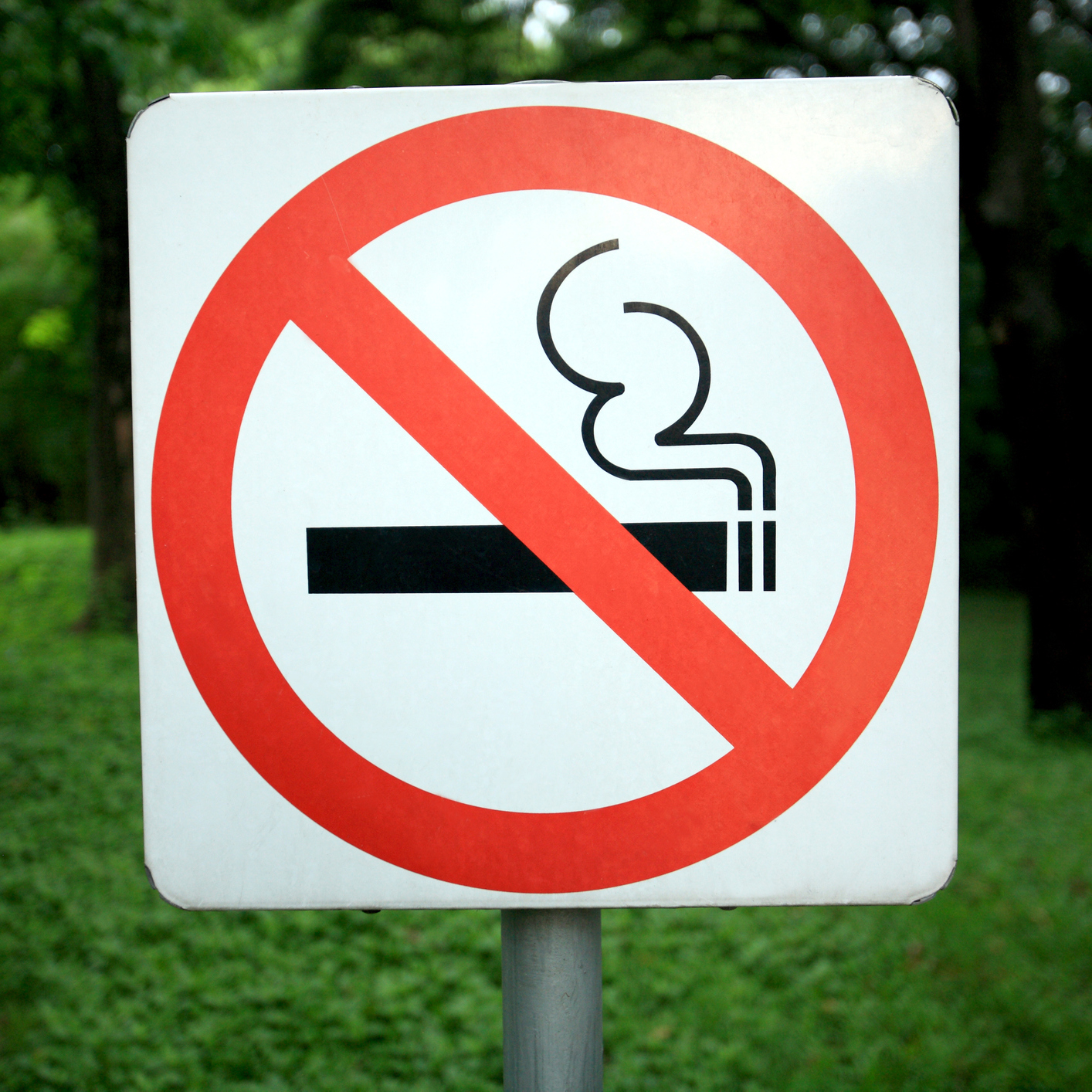
Smoking rates continue trending lower, from 23.3% of adults in 2000 to 13.7% in 2018, but no amount of tobacco use is safe. Tobacco use remains a leading cause of cancer – not just lung cancer, but several other types as well – and of cancer death. Further reducing smoking rates would also make a significant impact.
[nativounit]
While smoking rates have decreased, obesity rates are trending higher. Nationwide, the adult obesity rate jumped from 30.5% in 1999-2000 to 42.4% in 2017-2018. The obese (those whose body mass index is 30 and over) may have an increased risk of cancers of the breast, colon, rectum, kidney, pancreas, and more.
As it true with most demographic numbers, cancer rates vary from place to place. To find the state where cancer incidence rates declined the most since 2000, 24/7 Tempo reviewed cancer incidence data from the Centers for Disease Control and Prevention WONDER Online Database. States were ranked by the percent change in the cancer incidence rate – the number of cancer cases per 100,000 age-adjusted population – from 2000 to 2018 (exceptions are noted). Adult obesity rates came from the CDC Behavioral Risk Factor Surveillance System Prevalence & Trends Data. Median household income figures are five-year estimates for 2020 from the Census Bureau American Community Survey.
Though the number of cancer cases increased in every U.S. state between 2000 and 2018, 43 states managed to reduce cancer incidence rates anywhere from 1.5% to nearly 34% (due in part to demographic changes) – and nationwide, the cancer incidence rate declined from 484.28 per 100,000 population in 2000 to 435.77 per 100,000 in 2018, a 10% drop.
The state where new cancer cases have fallen the most Since 2000 is New Jersey. Here are the details:
> Pct. change in cancer incidence rate, 2000-2018: -33.89%
> Cancer cases, 2000: 46,465 or 530.0 per 100,000 – 3rd highest
> Cancer cases, 2018: 53,194 or 350.4 per 100,000 – the lowest
> Adult obesity rate change: 7.2 ppt (from 18.5% in 2000 to 25.7% in 2018)
> Median household income, 2020: $85,245 – 2nd highest
Click here to read states where new cancer cases have fallen the most since 2000
[wallst_email_signup]











 Top Gaining Stocks
 Top Losing Stocks