


On Friday, April 14th, the Securities and Exchange Commission reopened the comment period for its proposed amendments to the Exchange Act. The changes would place much of DeFi under the definition of an exchange and place additional burdens on much of the digital assets industry. The rule was initially proposed in January 2022.
SEC Reopens Comments Period on Proposed Amendments to the Exchange Act
According to a Friday announcement, the SEC has voted in favor of reopening the comments period for its proposed amendments to the Exchange Act for a period of 30 days. The changes were initially proposed in January 2022, and the Commission had already reopened the comments period once in May of that same year.
The SEC’s proposed amendment is very controversial in the cryptocurrency industry as it would, in effect, force most digital asset platforms, to register with the Commission. Decentralized platforms would be particularly affected and there are fears that the changes to the Act could essentially force centralization.
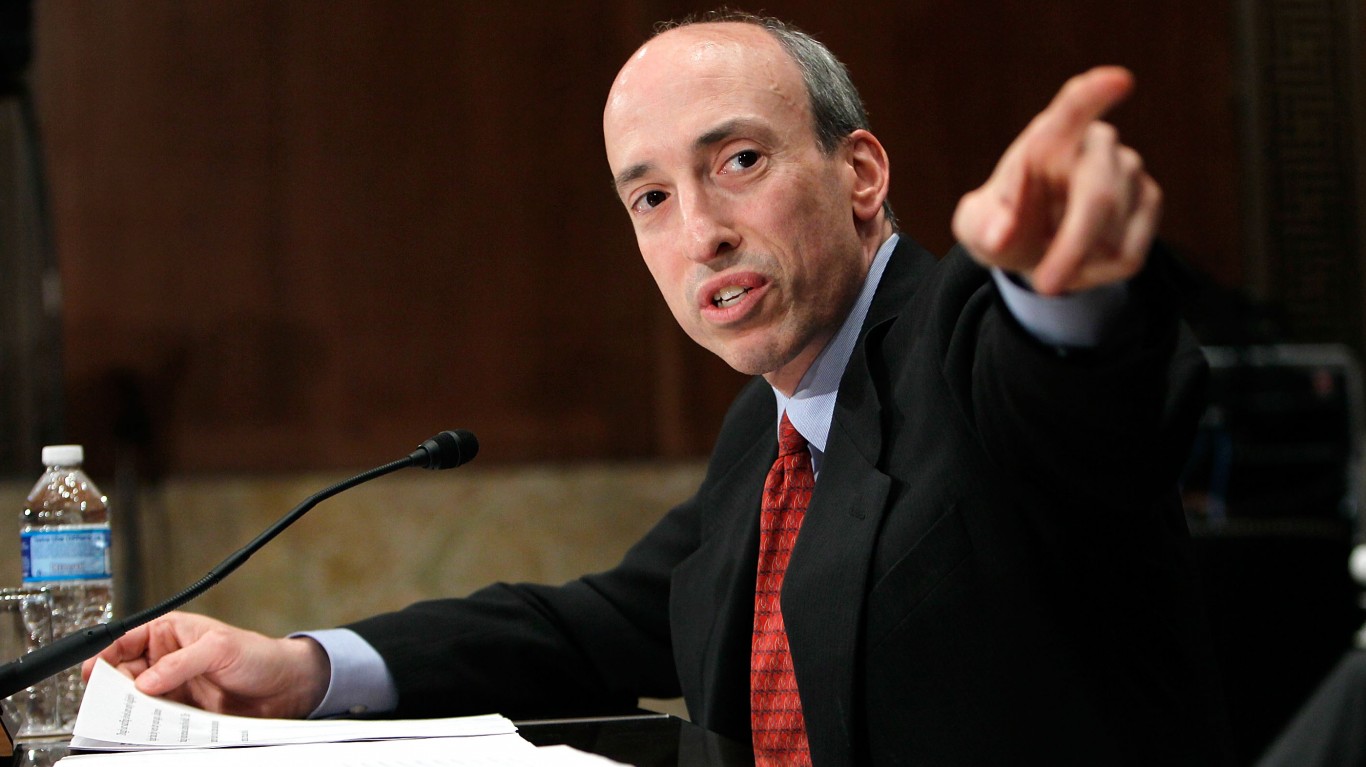
Very much in line with his usual stance on cryptocurrencies, the SEC Chair Gary Gensler stated that most digital asset trading platforms fall under the definition of the exchange, and added that the amendments would further bring them into the fold. The Chair is well-known for expressing his belief that most cryptocurrencies can and should be considered securities, and has previously commented that post-Merge Ethereum also likely falls under his agency’s authority.
I believe this supplemental release will help address comments on the proposal from various market participants, particularly those in the crypto markets. Make no mistake: many crypto trading platforms already come under the current definition of an exchange and thus have an existing duty to comply with the securities laws. Investors in the crypto markets must receive the same time-tested protections that the securities laws provide in all other markets. I welcome additional public comment on all aspects of the proposal in light of the information in this supplemental release.
Is The SEC on A Warpath Against Digital Assets?
The Securities and Exchange Commission is widely seen in the digital assets industry as the hawkish regulator and the enemy of cryptocurrencies. The agency has earned the reputation through numerous aggressive enforcement actions against firms widely considered to be good actors within the sphere.
The approach is perhaps best exemplified by the repeated comments of the Commission’s Chair, Gary Gensler, who not only repeatedly claimed jurisdiction over most digital assets, but stated that the bulk of the industry is not compliant. In February, Chair Gensler seemingly lent credence to a rumor first shared by the CEO of Coinbase that alleged that the Commission may be seeking to ban crypto staking in the US by commenting that all staking services are essentially the same.
The Commission has also garnered a reputation for being hard to work with. While it has repeatedly called on the digital assets industry to come to them and seek compliance, the firms that attempted to do so claim that they received next to no guidance from the SEC. The issue came back into the spotlight recently after it was revealed that the agency warned Coinbase—a company that has made dozens of attempts to communicate with the regulator over the previous six months alone—that it may be in violation of Securities laws.
The SEC also attracted criticism for what appears to be a lack of efficacy in the wake of the collapse of FTX. More recently, its complaint against Terraform Labs’ CEO Do Kwon also raised some eyebrows as it came nearly a year after the catastrophic LUNA collapse which wiped out an estimated $60 billion of investments.
This article originally appeared on The Tokenist









 Top Gaining Stocks
 Top Losing Stocks