How climate change will roll through capital markets – an early guide

Photo of Trey Thoelcke
By Trey Thoelcke Updated Published
This post may contain links from our sponsors and affiliates, and Flywheel Publishing may receive compensation for actions taken through them.
How climate change will roll through capital markets – an early guide

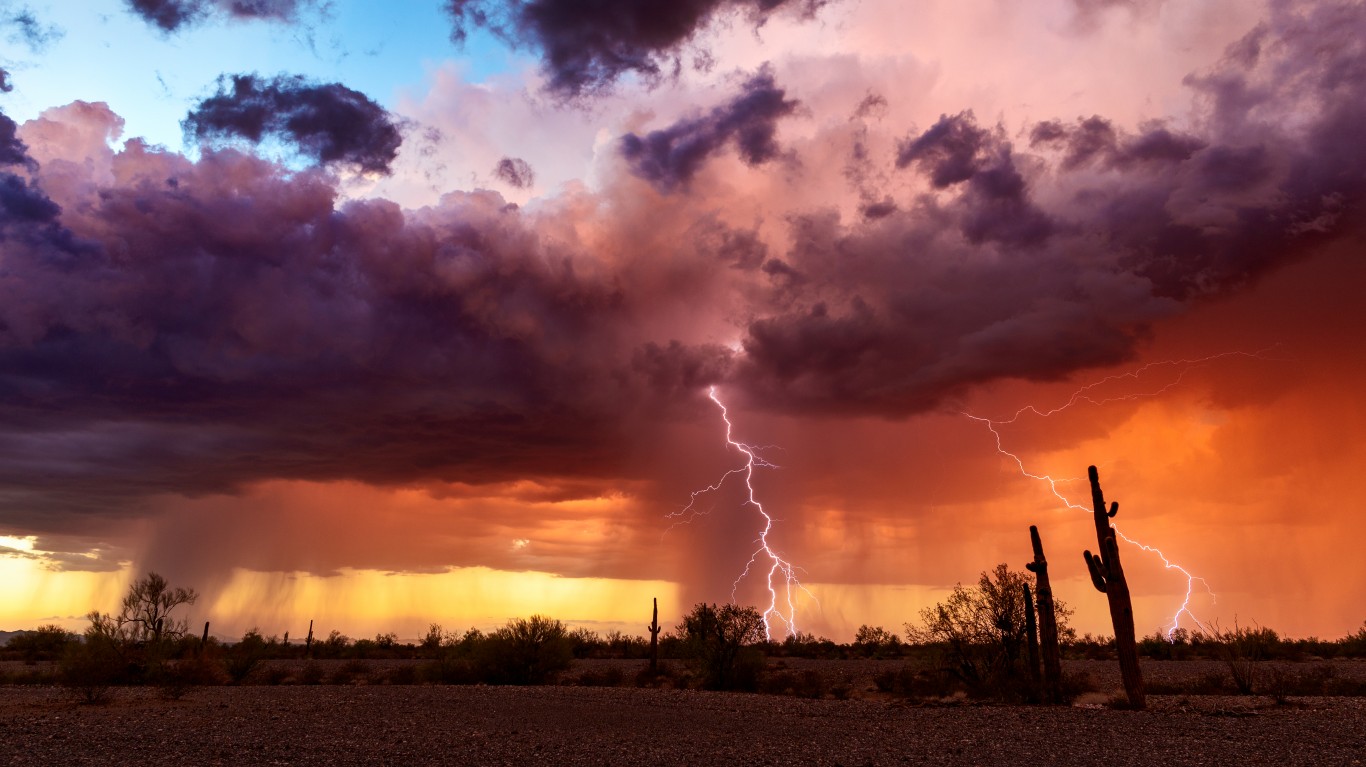
© Maxiphoto / iStock via Getty Images

(David Callaway is founder and Editor-in-Chief of Callaway Climate Insights. He is the former president of the World Editors Forum, Editor-in-Chief of USA Today and MarketWatch, and CEO of TheStreet Inc. His climate columns have appeared in USA Today, The Independent, and New Thinking magazine).

SAN FRANCISCO (Callaway Climate Insights) — Jeff Gitterman calls it The Great Repricing.

That’s the shift in capital markets as the cost of global warming begins to mount in specific regions, such as the Canadian wildfires, Arizona water shortages, European heatwaves, or wildfire smoke over New York City or San Francisco. Gitterman, founder of Gitterman Asset Management in New Jersey, has long been a proponent of the idea that climate change will cause a dramatic shift in markets and how investors seek opportunity and hedge risk.

To date, a lot of the focus has been on opportunity. Electric vehicle makers. Battery storage startups. Surging solar and wind power. Carbon capture and removal. But lately, we’ve started to see the flip side. The decision by two of the nation’s largest insurers, State Farm and Allstate, to stop taking new homeowner business in California because of wildfire threats was a dramatic wake-up call last week that the cost of climate change will be shared by many, including businesses and investors.

“There are three trends converging at once,” Gitterman told me. Adaptation, innovation and regulation, or what he calls AIR. “They will impact wide parts of the capital markets; first being real estate values, second municipal bonds and mortgages, and then ultimately businesses where adaptation is costly or undertaken too slowly to offset risks of extreme heat, droughts and larger storms and flooding.”

Subscribe to Callaway Climate Insights to keep reading this post and get 7 days of free access to the full post archives.


Photo of Trey Thoelcke
About the Author Trey Thoelcke →

Trey has been an editor and author at 24/7 Wall St. for more than a decade, where he has published thousands of articles analyzing corporate earnings, dividend stocks, short interest, insider buying, private equity, and market trends. His comprehensive coverage spans the full spectrum of financial markets, from blue-chip stalwarts to emerging growth companies.

Beyond 24/7 Wall St., Trey has created and edited financial content for Benzinga and AOL's BloggingStocks, contributing additional hundreds of articles to the investment community. He previously oversaw the 24/7 Climate Insights site, managing editorial operations and content strategy, and currently oversees and creates content for My Investing News.

Trey's editorial expertise extends across multiple publishing environments. He served as production editor at Dearborn Financial Publishing and development editor at Kaplan, where he helped shape financial education materials. Earlier in his career, he worked as a writer-producer at SVE. His freelance editing portfolio includes work for prestigious clients such as Sage Publications, Rand McNally, the Institute for Supply Management, the American Library Association, Eggplant Literary Productions, and Spiegel.

Outside of financial journalism, Trey writes fiction and has been an active member of the writing community for years, overseeing a long-running critique group and moderating workshop sessions at regional conventions. He lives with his family in an old house in the Midwest.

Continue Reading

Top Gaining Stocks

CBOE Vol: 1,568,143
PSKY Vol: 12,285,993
STX Vol: 7,378,346
ORCL Vol: 26,317,675
DDOG Vol: 6,247,779

Top Losing Stocks

LKQ
LKQ Vol: 4,367,433
CLX Vol: 13,260,523
SYK Vol: 4,519,455
MHK Vol: 1,859,865
AMGN Vol: 3,818,618