


When your company is known for its “Swoosh” logo, you have impacted your brand on the consumer, and that is precisely what Nike Inc. (NYSE: NKE | NKE Price Prediction) has done. Founded in 1964 by Bill Bowerman and Phil Knight, Nike, Inc. is an American athletic footwear and apparel corporation headquartered near Beaverton, Oregon, United States. It is the world’s largest supplier of athletic shoes and apparel and a major manufacturer of sports equipment.
Named after the Greek Goddess of Victory, the iconic brand has dominated many sports apparel categories. However, athletic shoes, often endorsed by popular and famous athletes like Michael Jordan, have been the gravy train for the company.
The manufacture of the products in China, Vietnam, India, and other countries has often been a touchy point for the company, and we found five reasons consumers should avoid Nike athletic shoes today.
The resale market for Air Jordans is dropping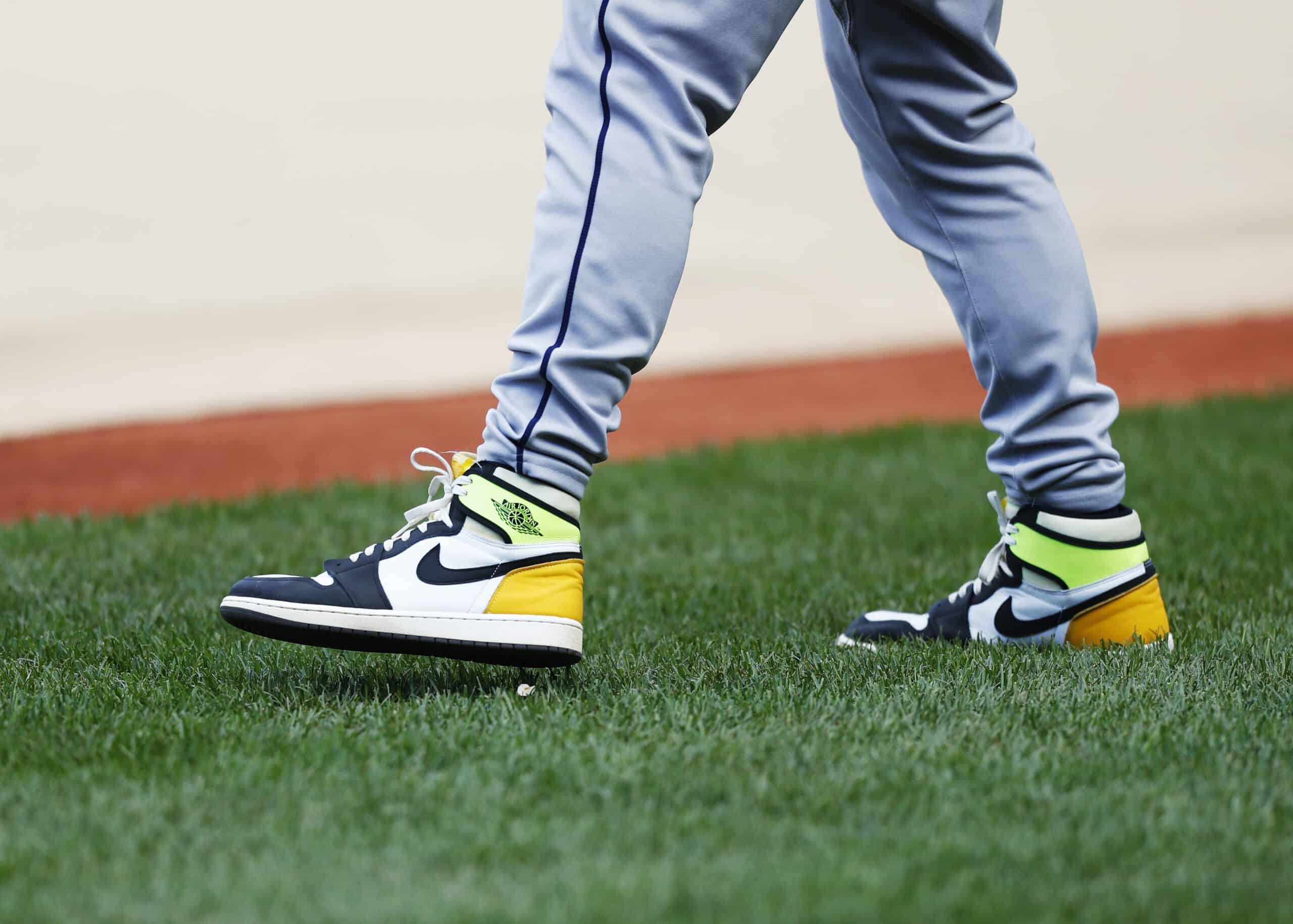
One of the big reasons collectors and others try to find, buy, and hoard products like Nike Air Jordans is their incredible resale value. For years, the Jordan brand was a significant profit driver for the company, and that demand is falling. Sneaker styles that once sold on StockX for $100 or more above Nike’s list price now sell for a premium of less than $10.
The sneaker bubble may be ending
During the COVID pandemic, consumers had nowhere to go and plenty of government stimulus money; consumers spent millions on Nike shoes, and the company profited significantly. The stock was up 40% in 2020 and 25.5% in 2021. That train has long since left the station for the company.
Please be sure to watch out for fake Nike shoes
One of the significant drawbacks to the expensive Nike brands is the possibility that the shoes are knock-offs and not Nike’s. They are sold all over the internet and many on resale websites. One way for consumers to be sure they get the real deal is to ensure they come packaged in a Nike box with the “swoosh” logo.
Nike’s labor issues have been a drawback.
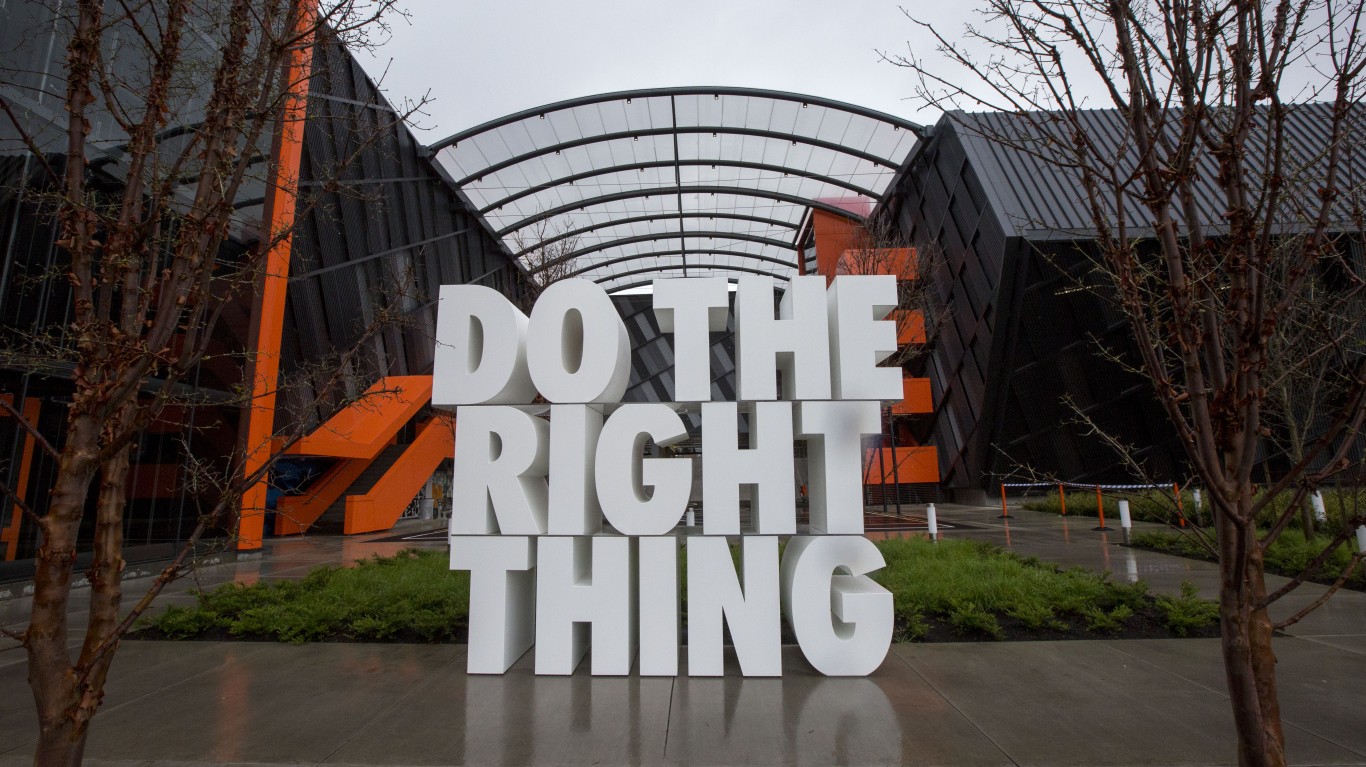
Critics have pounded the company for using cheap and underpaid labor. With most of the shoes made in China and Vietnam, it is tough for U.S. regulators to control the age and pay the workers receive. The campaign against the practices started in a big way in the 1990s and continues today. While Nike has addressed the situation to a degree, the issue remains part of the Nike legacy.
Competing brands are just as good as Nike
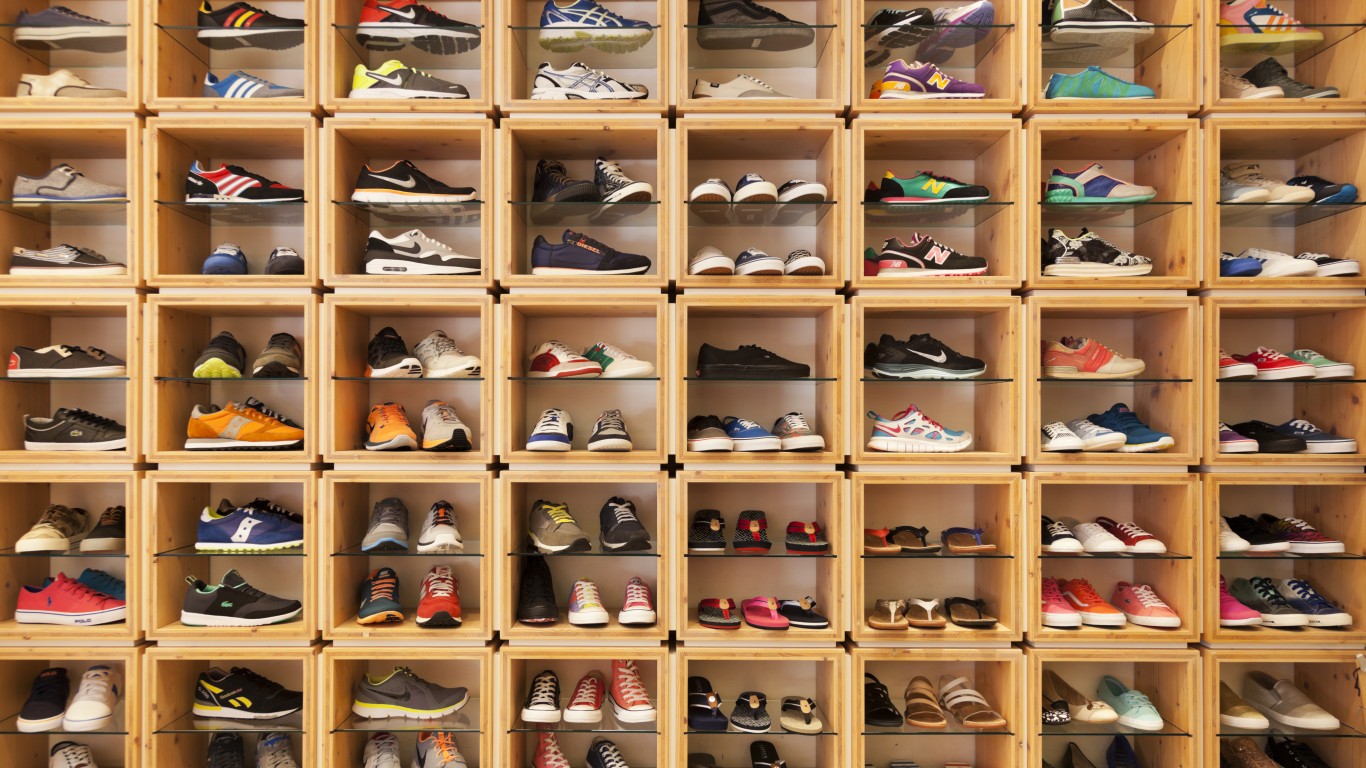
Over 30 years, the sneaker culture explosion has been a windfall for Nike and many other top brands. Many consumers maintain they are just as good or better in quality and style than Nike.
Here are the top competitors:
- Adidas
- Reebok
- Converse
- Puma
- Asics
- Skechers
- Under Armour
- New Balance
- Fila
While a legendary name and brand, the sweatshop labor issues are relegated to the past, as Nike was forced into addressing the conditions and pay years ago. The other items mentioned above are solid reasons to look to the other top brands on a price and appearance basis.






 Top Gaining Stocks
 Top Losing Stocks