


Investors love dividend stocks because they provide dependable income and give investors a great opportunity for solid total return. Total return includes interest, capital gains, dividends, and distributions realized over time. In other words, the actual return on an investment or a portfolio has dividend income and stock appreciation.
Two of the best dividend stocks for investors to consider are both Dividend Aristocrats. That means they are both in the S&P 500 and have increased their dividend payouts to shareholders for at least 25 consecutive years.
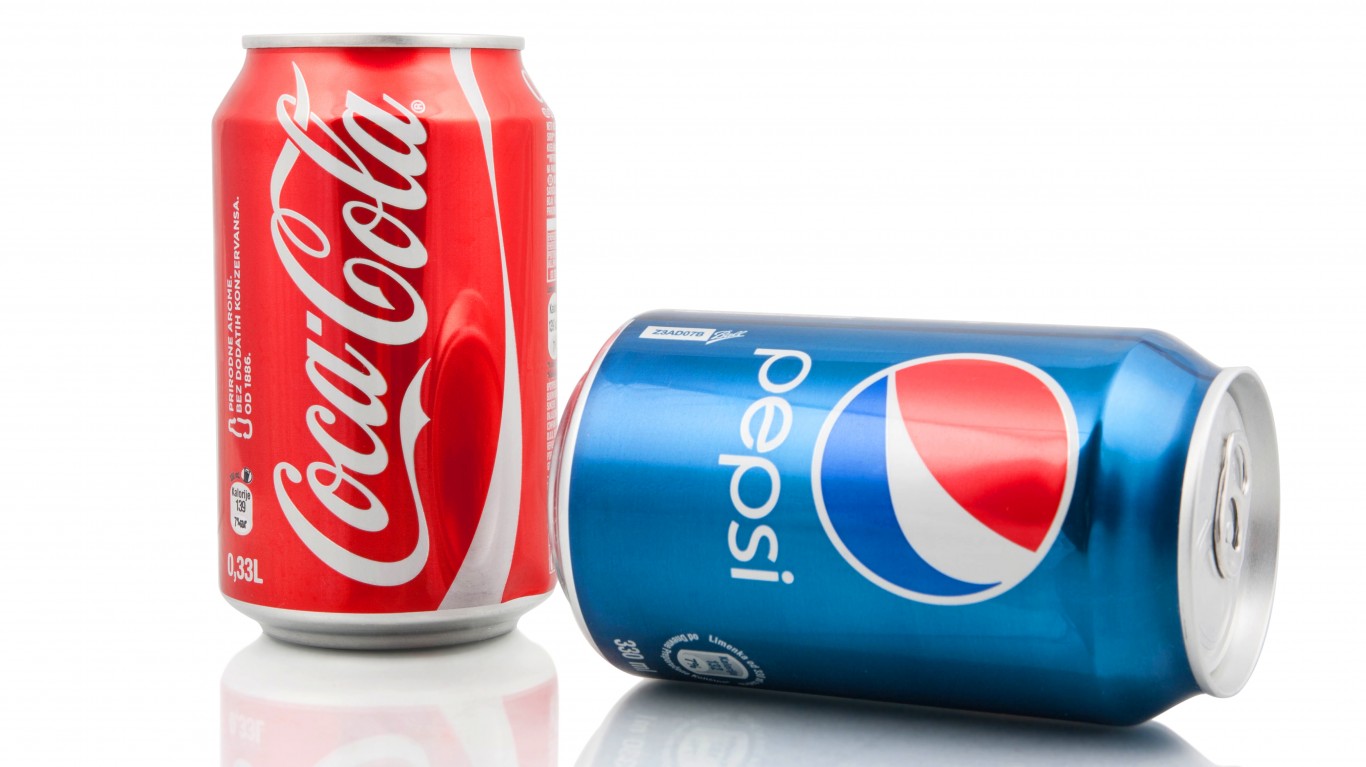
The two companies in question are The Coca-Cola Company (NYSE: KO | KO Price Prediction) and PepsiCo, Inc. (NYSE: PEP). While both are outstanding ideas for long-term investors looking for safe and dependable growth and income ideas, we found five top reasons why one trumps the other and why the Coca-Cola company is the winner.
Coke pays a more significant dividend
Currently, Coke pays shareholders a 3.14% dividend versus Pepsi’s 2.98%. While 16 basis points is not a huge margin of difference, if you own the shares over time, it could add up in the total return race.
On a price-to-earnings basis, Coke is cheaper
While both are somewhat expensive on a PE basis when looking at overall growth prospects for both companies, Coke trading at 23.83 times 12-month trailing earnings versus Pepsi’s 27.85-time earnings is cheaper.
The Coca-Cola brand is a ubiquitous presence around the world.
While both companies’ leading products, and the one they are both named after, are sold worldwide, the Coke brand stands out as much of Coca-Cola’s yearly revenue comes from international sales. Coca-Cola dominates the market in Europe, South America, Africa, and the Asia-Pacific region. Pepsi, however, is more prevalent in India.
While both have Energy Drinks, Coke’s product is more popular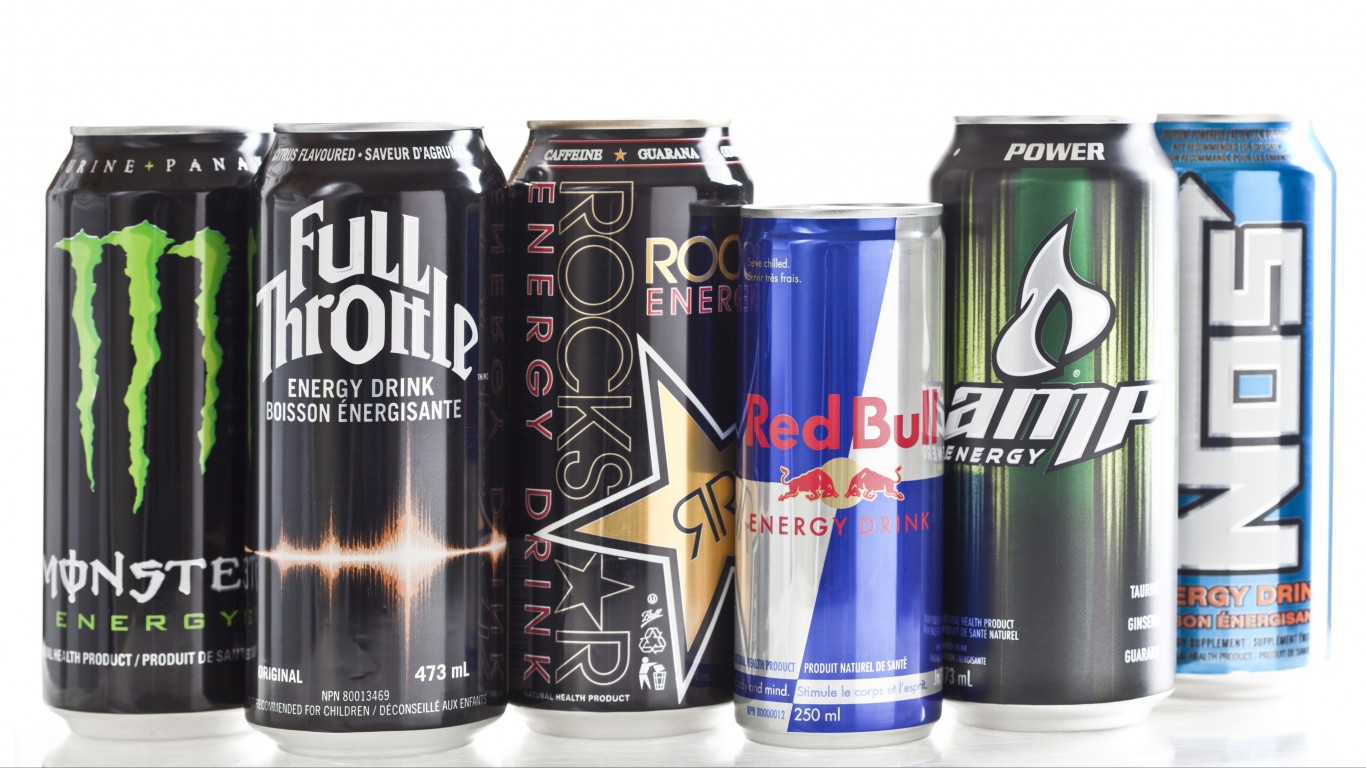
Coke owns 16.7% of Monster Beverage (NASDAQ: MNST), while Pepsi markets Rockstar Energy. While Red Bull still dominates the energy drink arena, Monster Beverage is a solid second, while Rockstar is a distant fifth in the battle. As of November 1st, Monster had sold $5.52 billion worth of product versus Rockstars $720 million.
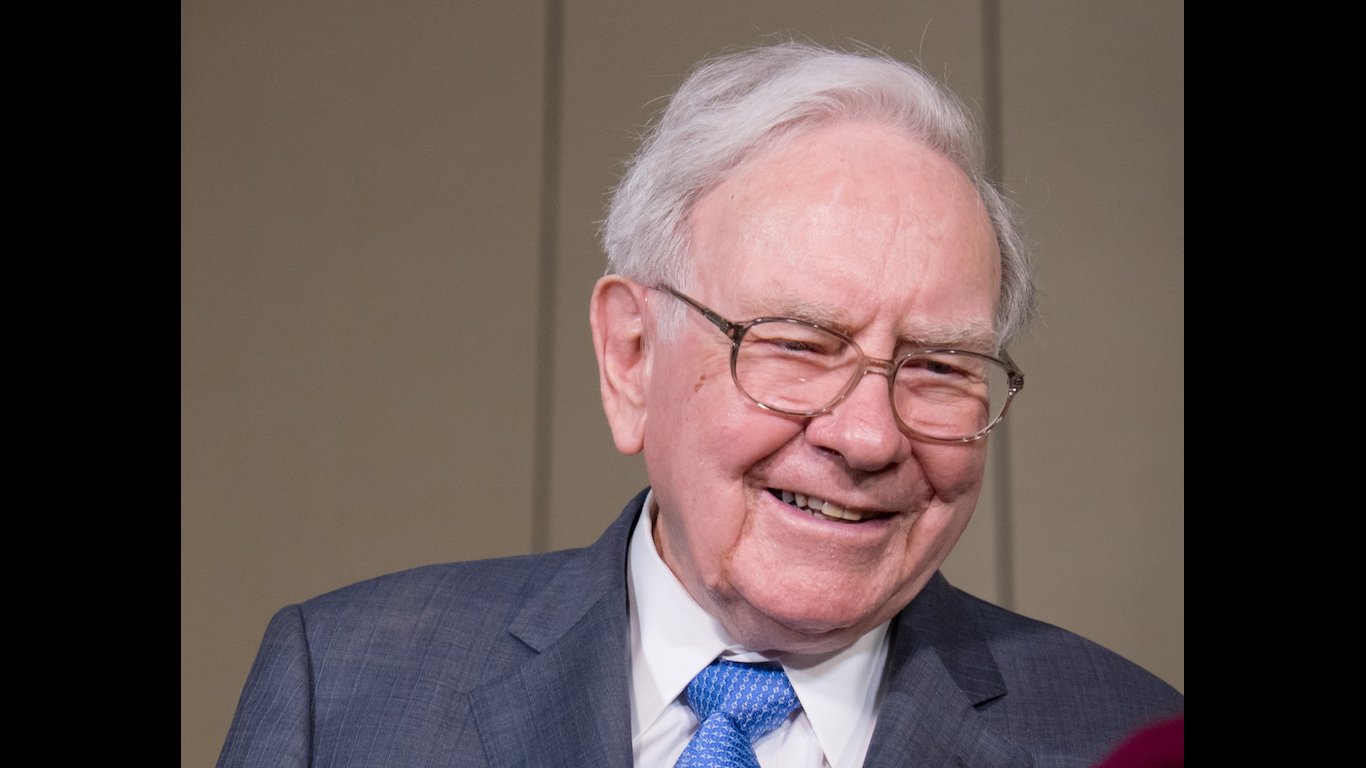
Warren Buffett is Coke’s biggest shareholder
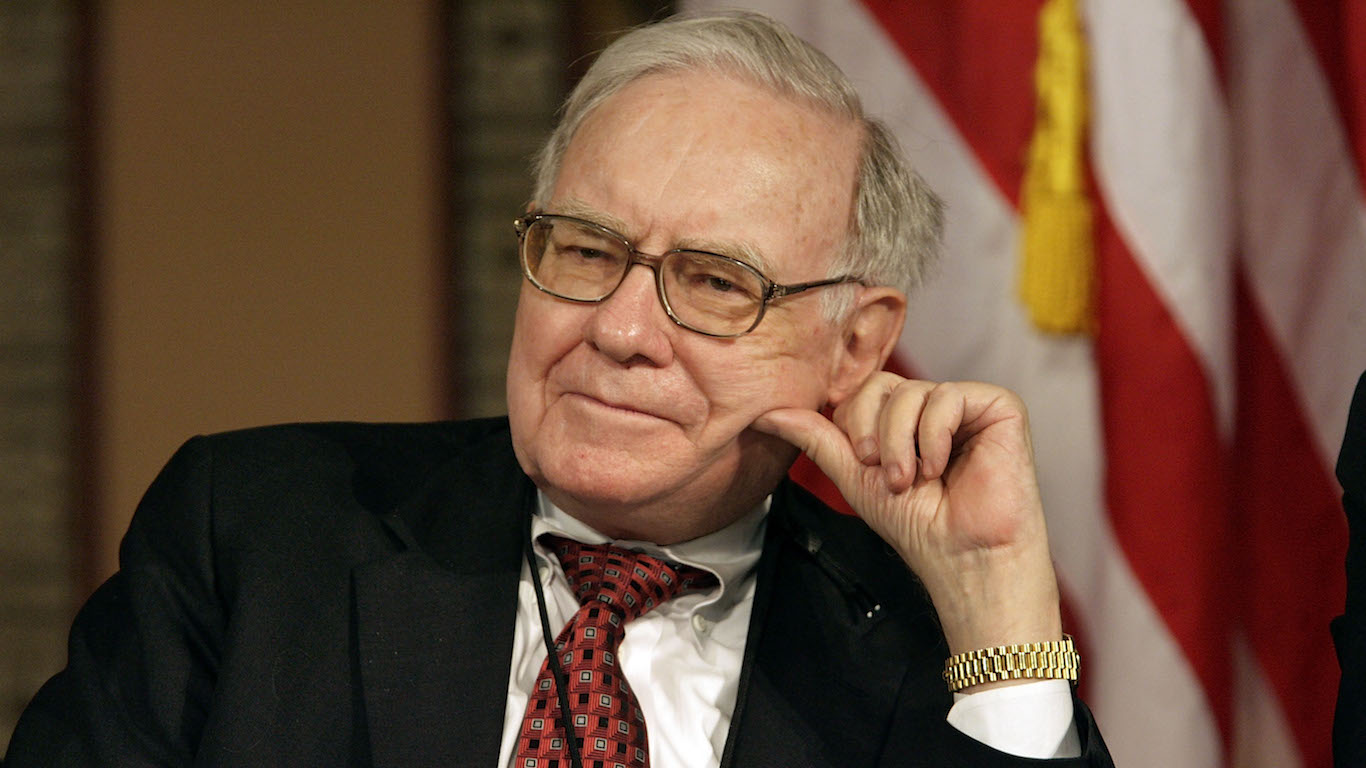
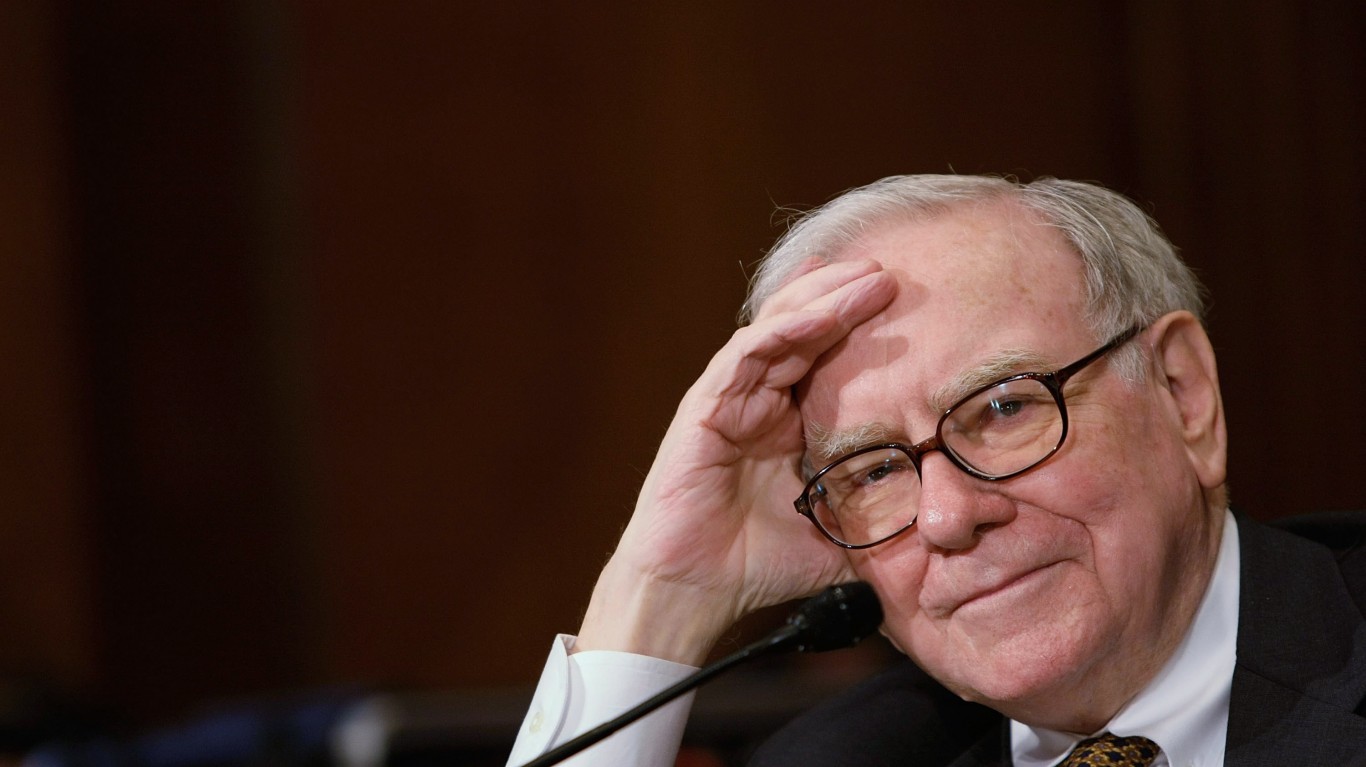
While Pepsi has a plethora of big institutional holders, Coke is one of the most significant holdings in Warren Buffet’s Berkshire Hathaway portfolio. Mr. Buffett owns a stunning 400 million company shares, almost 10% of the outstanding shares and 6.5% of his holdings. Given his love for the beverage, you can count on that position remaining intact for years.
The reality is that both stocks are excellent investments with different attributes and products. The most significant difference for investors may be the overwhelming international appeal of Coca-Cola, the higher dividend, and the dominance it has in Warren Buffett’s portfolio.






 Top Gaining Stocks
 Top Losing Stocks