


Visa was founded in 1958
In 1958, Bank of America Corporation (NYSE: BAC | BAC Price Prediction) launched Visa Inc. (NYSE: V), the first consumer credit card program in the U.S. While Diners Club was the world’s first multi-purpose credit card, the name tells you pretty much what it was relegated to.
Bank of America started Visa to compete with MasterCard
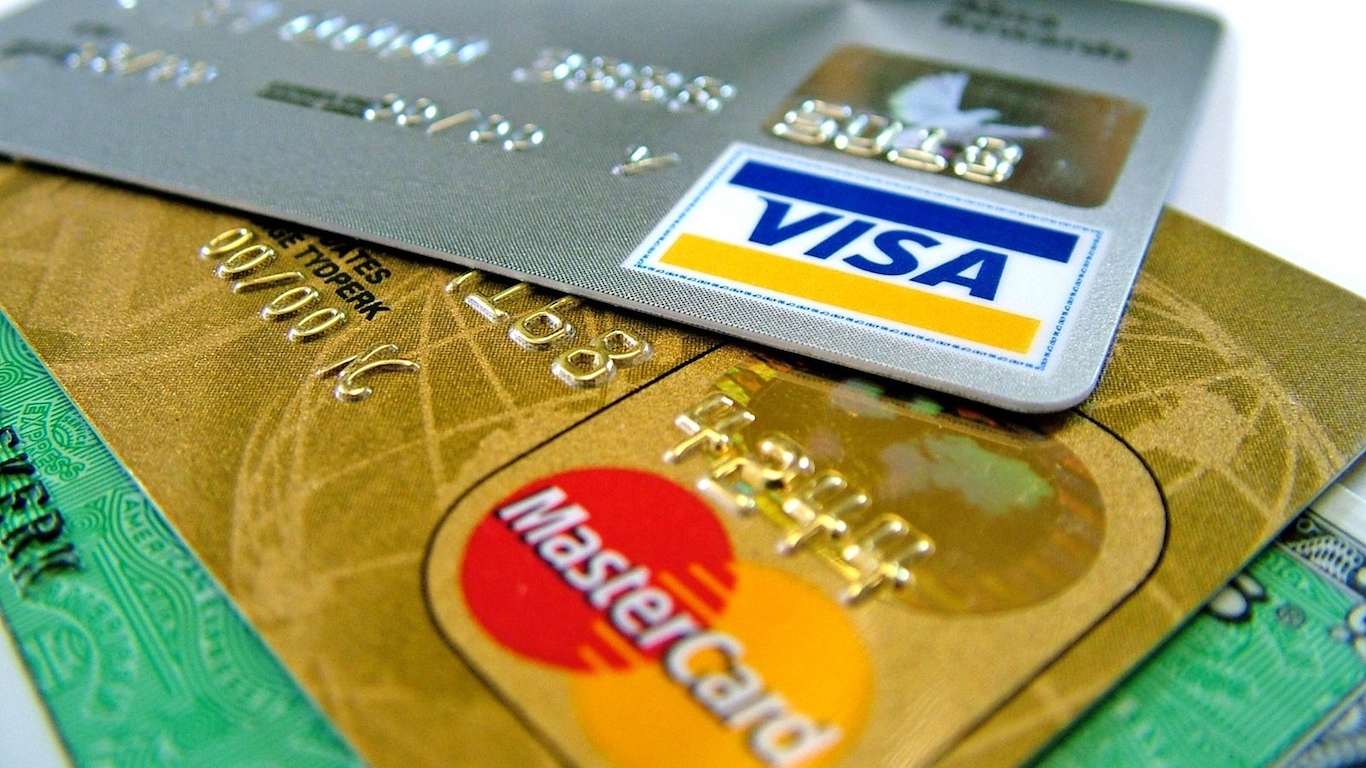
First called BankAmericard, before being renamed Visa in 1976, in addition to competing with MasterCard, Inc. (NYSE: MA), first called Master Charge, Bank of America began licensing the card to other financial institutions in 1966. In 1970, the bank gave up direct control of the BankAmericard program and formed a cooperative with other banks that issued the card.
Visa is the world’s second-largest card payment company
When you combine debit and credit cards, the company is the second largest globally, behind only China Union Play, which took over the title in 2015.
While the stock has done very well over the years, we dug in deep to see if investors should own the shares now. We found six reasons investors may want to wait to buy company shares.
Visa stock is expensive

Trading at a lofty 31.26 times trailing earnings, the shares have become expensive. In addition, selling less than $5 below a 52-week high may not be the time to grab the shares.
The dividend paid to shareholders is very low.
Yielding a meager 0.81% dividend will not prove attractive to investors looking for passive income. Plus, with the stock just below 52-week highs, 1000 shares will cost a quarter of a million dollars and only pay just over $2000 in income.
Warren Buffett owns Visa stock in Berkshire Hathaway
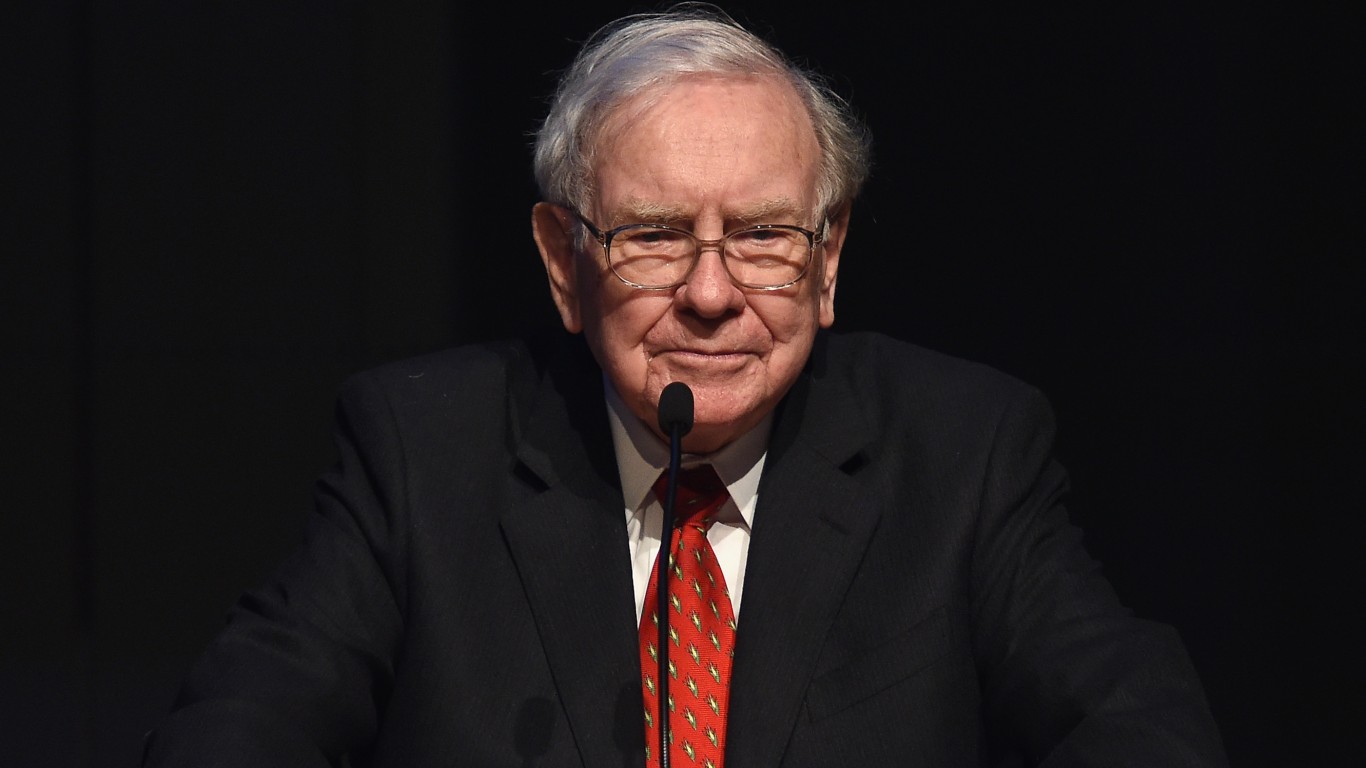
While the “Oracle of Omaha” has a small position in the stock, he has traded in and out of it over the years and sold a huge chunk of it in late 2021. That chunk was a stunning 1.27 million shares, and probably a sale he regrets after the spectacular rise over the last two years.
The inflation benefit is going away
The raging U.S. inflation has been a tailwind for the stock for the last few years. 70% of the company’s revenue considers inflation as the fees charged are based on total consumer spending.
Consumers are starting to pay more cash
With more and more retail outlets passing along credit card fees to their customers, many frustrated consumers are paying cash for their purchases. This is significantly more prevalent at petite mom-and-pop retailers and services that are hit harder by the fees, ranging from 1.3% to 3.5%.
While the stock has been a solid investment over the last decade, buying shares at an all-time high doesn’t make sense. Investors should look for a 15% to 20% pullback before taking the Visa plunge. The $200 to $215 level might be a place to nibble at the stock.








 Top Gaining Stocks
 Top Losing Stocks