


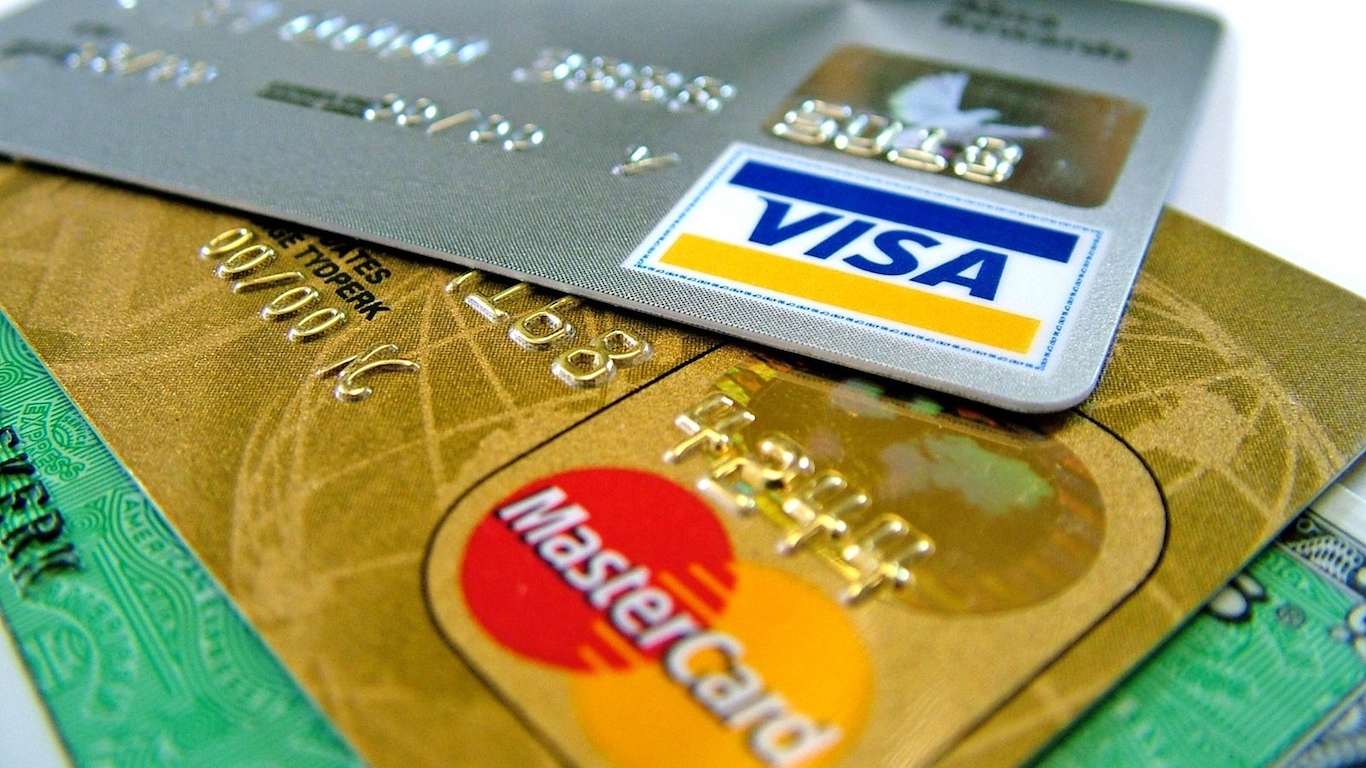
Mastercard Incorporated (NYSE: MA | MA Price Prediction) is the second-largest payment processing company worldwide and was founded in 1966. The company offers payment solutions for developing and implementing credit, debit, prepaid, commercial, and payment programs.
Originally called the Interbank/Master Charge, the company was formed by a consortium of California banks to compete with BankAmericard, now known as Visa Inc. (NYSE: V).
While the stock has been an outstanding investment over the last decade, investors looking to buy shares now may want to be cautious after we found six top reasons to avoid buying the stock now.
Mastercard is very expensive
Trading at a massive 37 times trailing earnings, the stock is costly. Investors will likely not see the earnings needed to support such a gigantic price-to-earnings metric.
MasterCard stock is also trading right near a 52-week high
Shares were recently seen at a stunning $424.38. With a 52-week high of $427.61, there isn’t much upside from current levels, especially with the large PE.
A recession in 2024 could hammer earnings forecasts

While Wall Street has been gushing over the fact that the Federal Reserve will likely lower interest rates in 2024, the current inflation level is above what the central bank wants. With the potential for inflation to remain sticky and the effects of 18 months of interest rate increases not factored in, the potential for recession remains next year.
Some legal issues could remain over the stock
The Department of Justice launched a probe into the company’s dealings in the debit card arena earlier this year. In addition, regulators in the United Kingdom have started looking into fees charged by card networks for each payment through their networks.
Rising transaction fees are being passed along to consumers

While the most prominent retailers and other sectors typically absorb credit card fees, smaller mom-and-pop stores are now passing them directly to consumers, raising the price of everyday items and services. Many loyal shoppers are happy to pay cash and avoid credit card fees, ranging from 1.5% to 3.5%.
Credit Card debt is rising to dangerous levels

Credit card debt in the United States is currently at a stunning $1.03 trillion and could be going higher as Americans racked up more plastic debt this year than ever before. While responsible credit card holders will likely pay their balances, low-income families using credit to pay everyday bills like food and clothing could end up massively in debt and default on their payments. As of the third quarter statistics, the average credit card balance is $ 6,993.
Mastercard has been a stunning investment over the last decade. While the company will remain a leader in payment processing, it’s massively overvalued at current trading levels. Investors viewing the stock should wait for a 20% pullback, while those who have owned the stock for years may want to take some profit off the proverbial table.








 Top Gaining Stocks
 Top Losing Stocks