



A health savings account (HSA) can help you save and invest for future healthcare expenses while providing you with major tax benefits.
And you can contribute a sizable amount to your HSA. For 2024, the HSA contribution limits are $4,150 for individual coverage and $8,300 for family coverage. That marks nearly a 7% increase from 2023.
And in 2025, the HSA contribution limits would again increase to $4,300 for individual health coverage and $8,550 for family coverage.
With the soaring costs of healthcare – especially in retirement – it can benefit you to max out your HSA. But it’s not always the best idea to focus solely on maxing out your HSA. So let’s take a closer look.
The benefits of maxing out your HSA
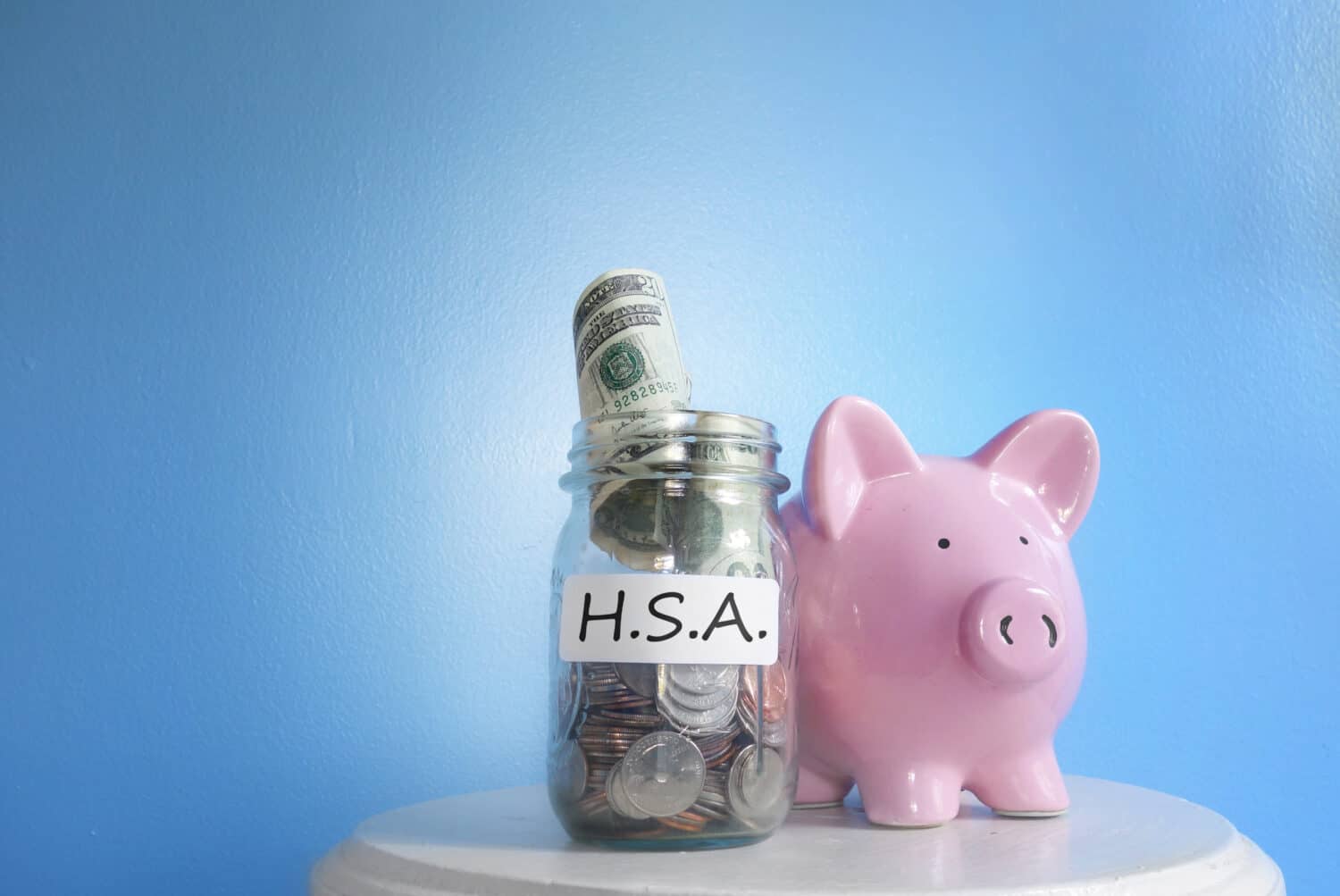
Maxing out your HSA can help you cover large healthcare costs.
Maxing out your HSA can help you prepare for large and unexpected medical bills and allow you to make the most out of HSA tax benefits like the following.
Tax-deductible contributions: You can claim the contributions you make to your HSA as deductions on your tax return. And if you opened your HSA through an employer, your contributions are deducted from your paycheck before taxes and thereby lower your taxable income. This could mean a lower tax liability or a thicker refund.
Tax-free earnings: Any interest your HSA dollars earn is not subject to federal taxation. Plus, some HSA providers let you invest your HSA money in growth-focused securities like stocks, mutual funds, and exchange-traded funds (ETFs). This could mean more potential for tax-free growth.
Tax-free withdrawals: HSA withdrawals are tax free if used on qualified health expenses. And when you turn 65, you can use your HSA dollars on anything penalty free. Although, you’d owe regular income tax on the distribution. Still, this benefit could make an HSA an effective addition to your individual retirement account (IRA), Roth IRA, or 401(k) plan.
When you should skip on maxing out your HSA

Maxing out your HSA may not always be the best idea.
Your HSA dollars can go a very long way when you max out your account. But racing to max out your HSA may not always be your best bet.
For example, you may have other pressing financial matters like student loans and high-interest credit card debt. The average credit card interest rate is about 24.80%.
If your HSA is invested in an interest bearing account, you may only get a rate of around 0.55%. But what if you invest a portion of your HSA in an index fund that tracks the S&P 500? The S&P 500 has historically returned an annual rate of around 10%. So both are dwarfed by the high interest rate of credit cards.
And this debt could add on to other obligations like student loans and mortgages. So in some cases, it may be best to contribute a conservative amount to your HSA while making sure you are staying on top of any high-interest debt.
You also wouldn’t want to let HSA contributions get in the way of maximizing an emergency fund that you could use for non-health expenses. Remember, withdrawing money from an HSA for anything other than a qualified health expense before reaching age 65 would trigger a 20% penalty on the distribution as well as ordinary income taxes.
Why this matters
Sometimes, focusing primarily on maxing out your HSA isn’t the best financial decision.
Maxing out your HSA can provide a cushion to support you when a large unexpected medical bill hits. But focusing on maxing out your HSA may not always be the right decision, especially if other financial obligations like high-interest debt are weighing you down. In some cases, it’s appropriate to contribute what your budget would allow. So to help you measure the pros and cons of maxing out your HSA, we developed this guide.














 Top Gaining Stocks
 Top Losing Stocks