


The World Is Watching
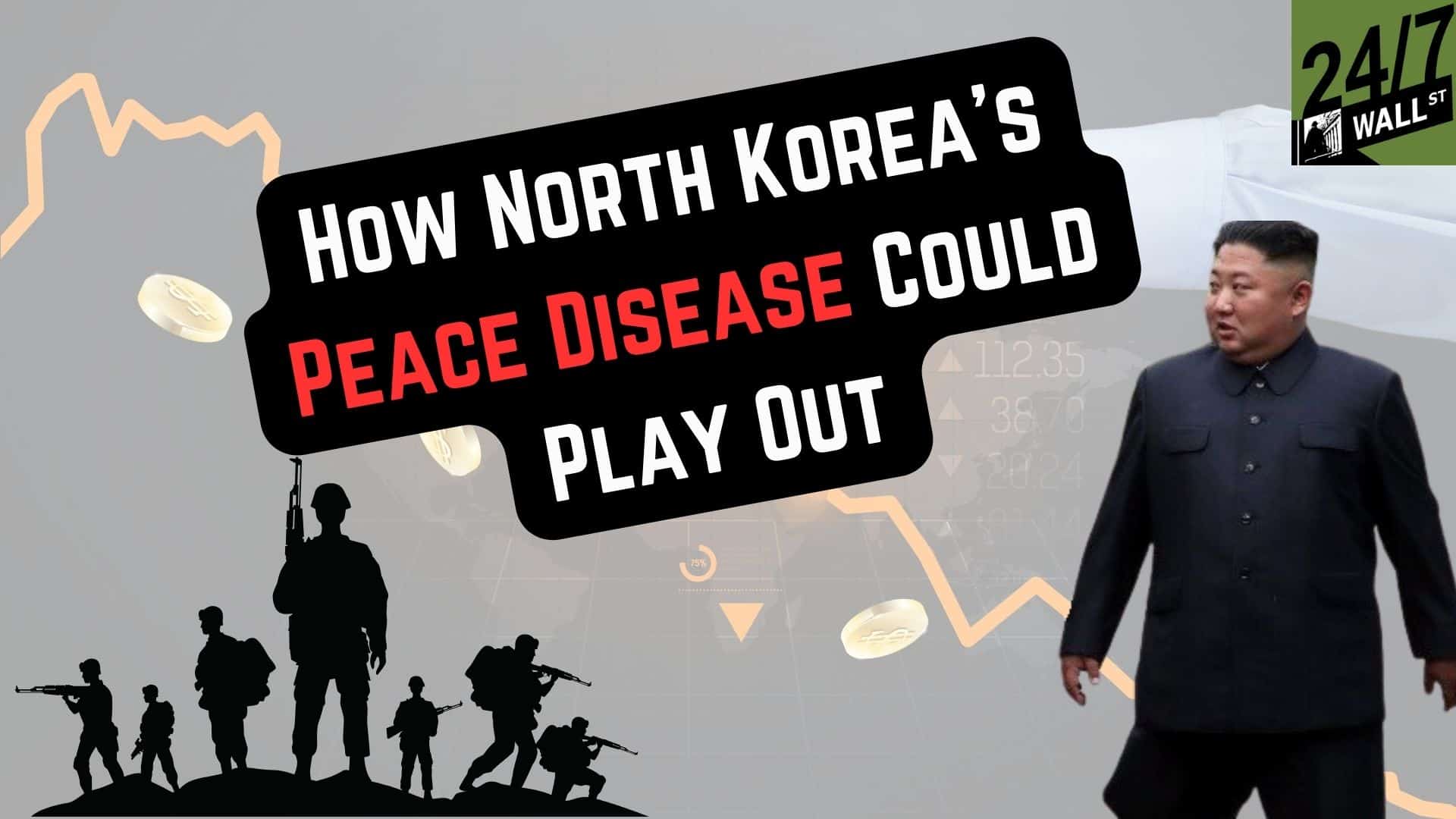
Military and defense expert Michael Muir delves into the concept of “peace disease” as used by the People’s Liberation Army to describe the lack of combat experience among Chinese officers, a concern also applicable to North Korea. It explores how North Korea might benefit from involvement in a conflict on Russia’s behalf by gaining combat experience, technological advancements, and potentially unlocking its mineral wealth.
Investors Have to Plan For What’s Ahead
With so much turmoil and uncertainty, it’s easy to forget that there are mega trends brewing that could make investors fabulously rich. The few who are looking ahead to the future are placing their bets, and the most promising opportunity by far is AI. That’s why we penned a 38 page research report titled ‘the next Nvidia’ revealing our top three AI picks for the years ahead. For a limited time you can access the report, completely free, simply by clicking here.
Transcript:
I remembered something else that you discussed earlier, which was the peace disease, right, that China and Xi have discussed.
So can you talk a little bit about what the peace disease is and why North Korea getting involved in a conflict on Russia’s behalf could, in North Korea’s eyes, be beneficial to them for other potential conflicts?
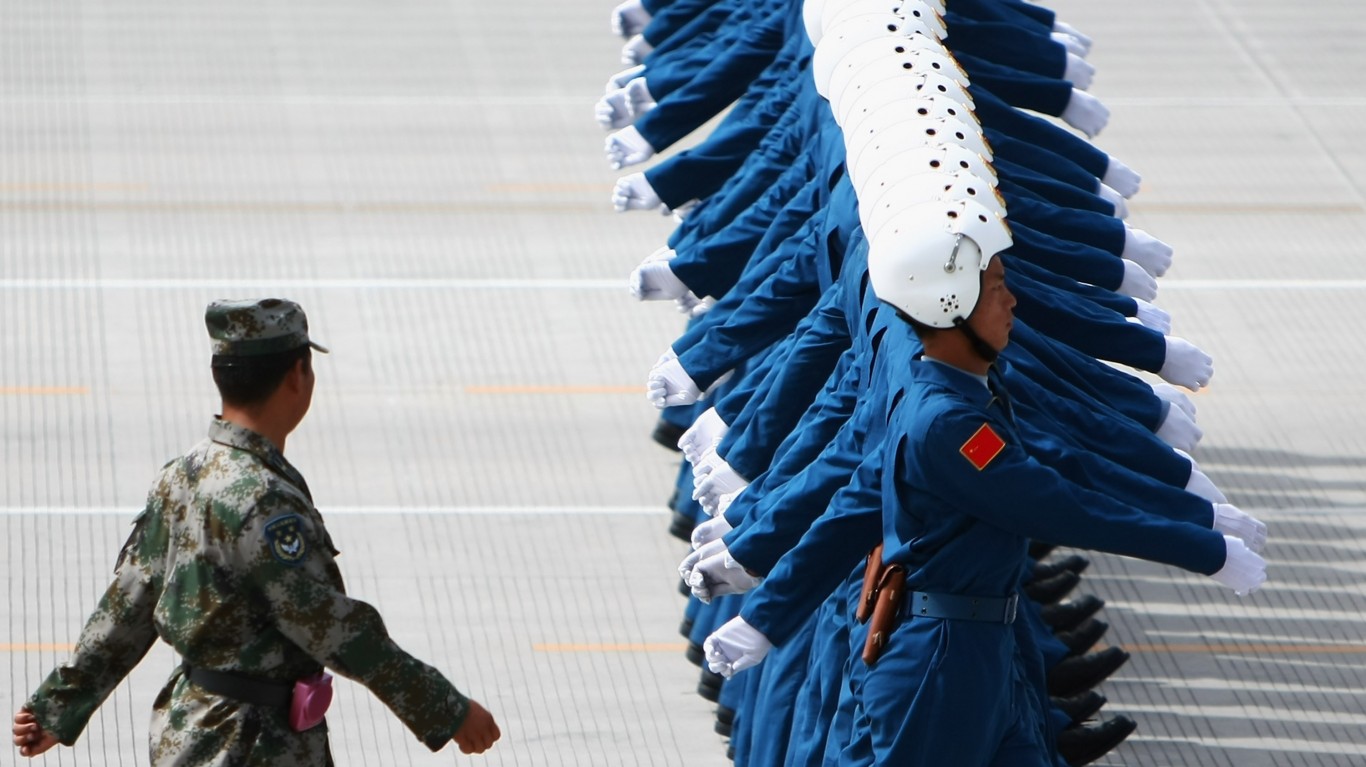
Yeah, well, the peace disease is just a term that’s used by the People’s Liberation Army in their internal documents, where they are deeply concerned about the lack of quality officers who have just simply not been hardened by the experience of combat.
Because China really hasn’t been involved in a proper conflict since 1979.
So that is a very long time.
And a complete warfare is basically unrecognizable in the modern era from 1979.
That was a very short conflict as well. It was only about a month long.
So they’re deeply concerned about the lack of combat experience.
They’re deeply concerned by how that informs training.
So effective military training needs to be realistic.
It needs to be based on practical experience if you can get it.
So North Korea is another nation that hasn’t been directly involved in a conflict in decades.
So it is a very large military that has very little operational experience.
So just the possibility of gaining that could be very useful for developing its doctrine and future strategies.
Another aspect to the security pact is there’s going to be technology exchanges.
So Russia is quite possibly going to help North Korea develop its rocket force, its artillery, you know, and it may possibly its air force and beyond.
There’s another economic aspect to that as well.
It’s widely believed, although not proved, that North Korea is sitting on a lot of mineral wealth but simply doesn’t have the means to extract it.
So it’s very possible that involvement with Russia could help it unlock some of its wealth.
So there’s a lot of things at play here.
Okay.






 Top Gaining Stocks
 Top Losing Stocks