


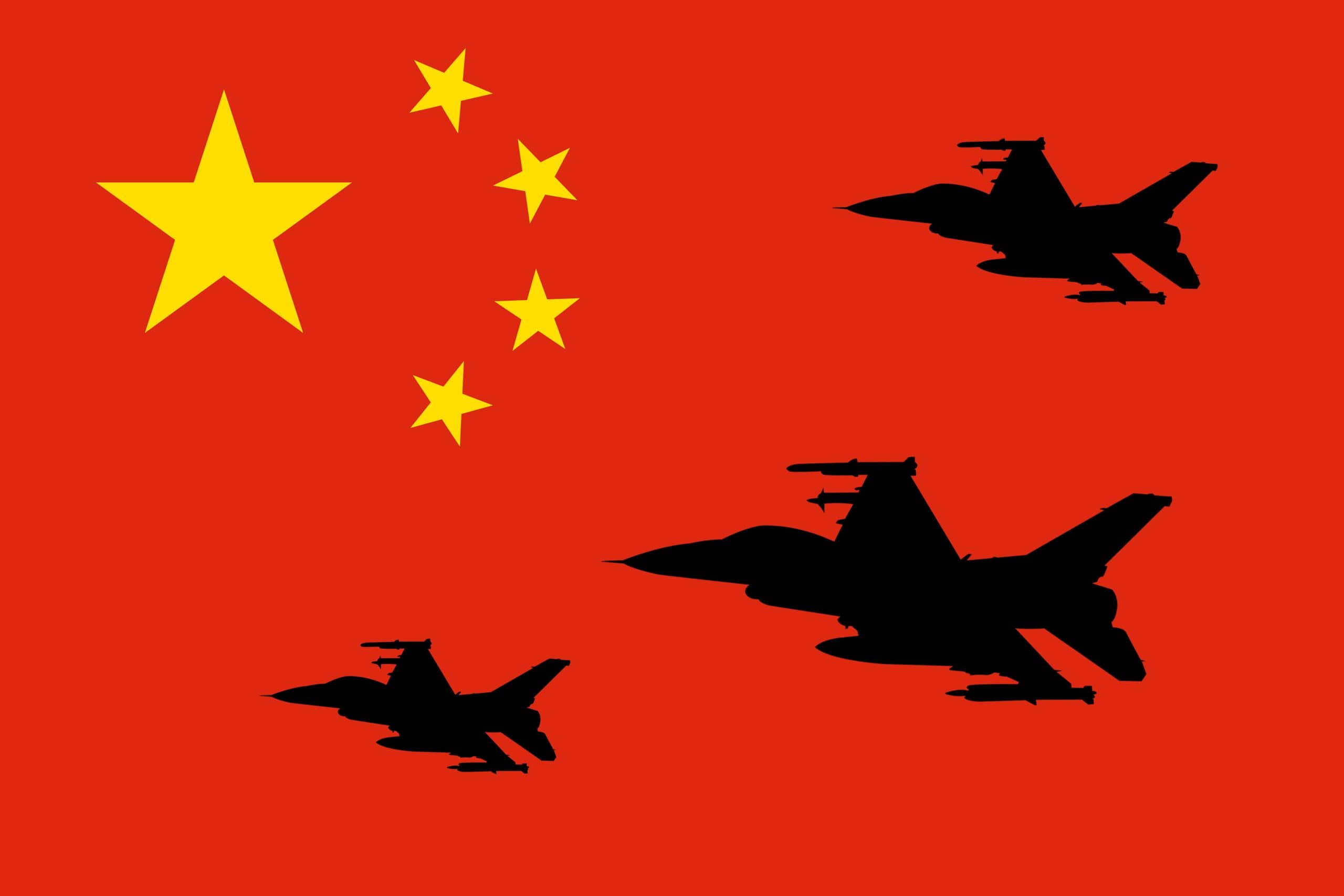
The People’s Republic of China and the Republic of China (Taiwan) have a difficult history. To put it mildly. The seeds of this acrimony were sown long before the end of the Chinese Civil War in 1949. To Beijing, Taiwan is a part of China that needs to be brought back into the fold, by force if necessary. For Taipei, maintaining the present uneasy status quo is desirable but increasingly untenable long-term. Matters may well come to a head in the next few years. The U.S. Department of Defense assessed that China would have the military capability to take Taiwan by 2027, but this is a projection, not a certainty. Many military analysts argue that while China is improving amphibious and airlift capacity, mounting a full-scale invasion by 2027 would still be extraordinarily risky. This article examines the options available to China from the peaceful to the forceful.
This post was updated on September 10, 2025 to clarify polling numbers, nuclear phase out, the 2023 U.S. aid package, and the exact relations between Taiwan and the U.S. in 1979.
Why This Matters
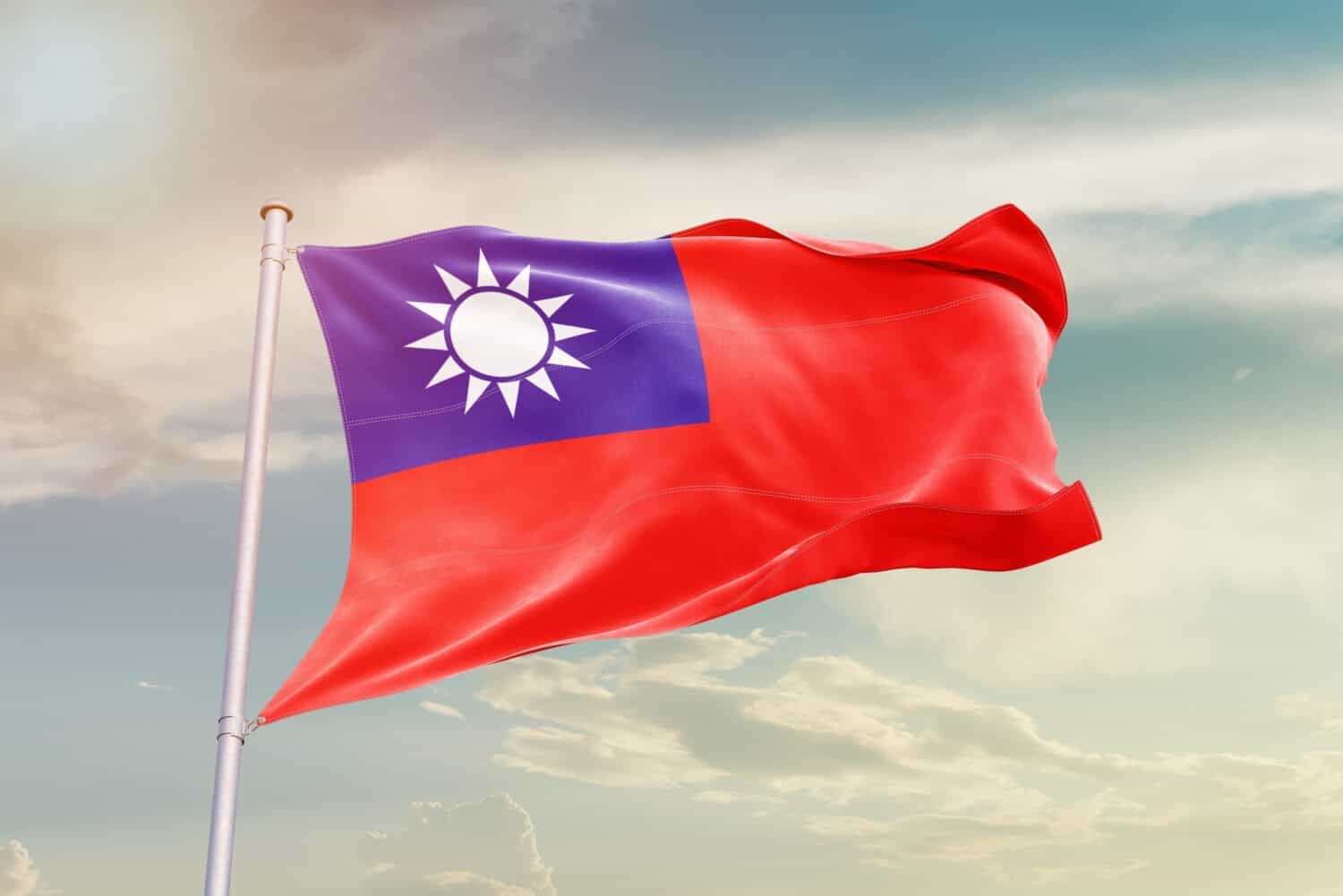
China’s position vis-a-vis Taiwan is clear. As a 2022 statement by the Ministry of Foreign Affairs declared:
There is but one China in the world, Taiwan is an inalienable part of China’s territory, and the Government of the People’s Republic of China is the sole legal government representing the whole of China.
This unambiguous statement came in response to Nancy Pelosi’s controversial visit to Taiwan. America’s long-term position of “strategic ambiguity” may no longer be tenable due to heightened pressure from Beijing. Understanding how China may elect to take Taiwan is important to ascertain how such a destructive conflict could be avoided. For the United States, a confrontation with China would be a disaster, but wholly abandoning Taiwan is equally untenable.
Political Pressure
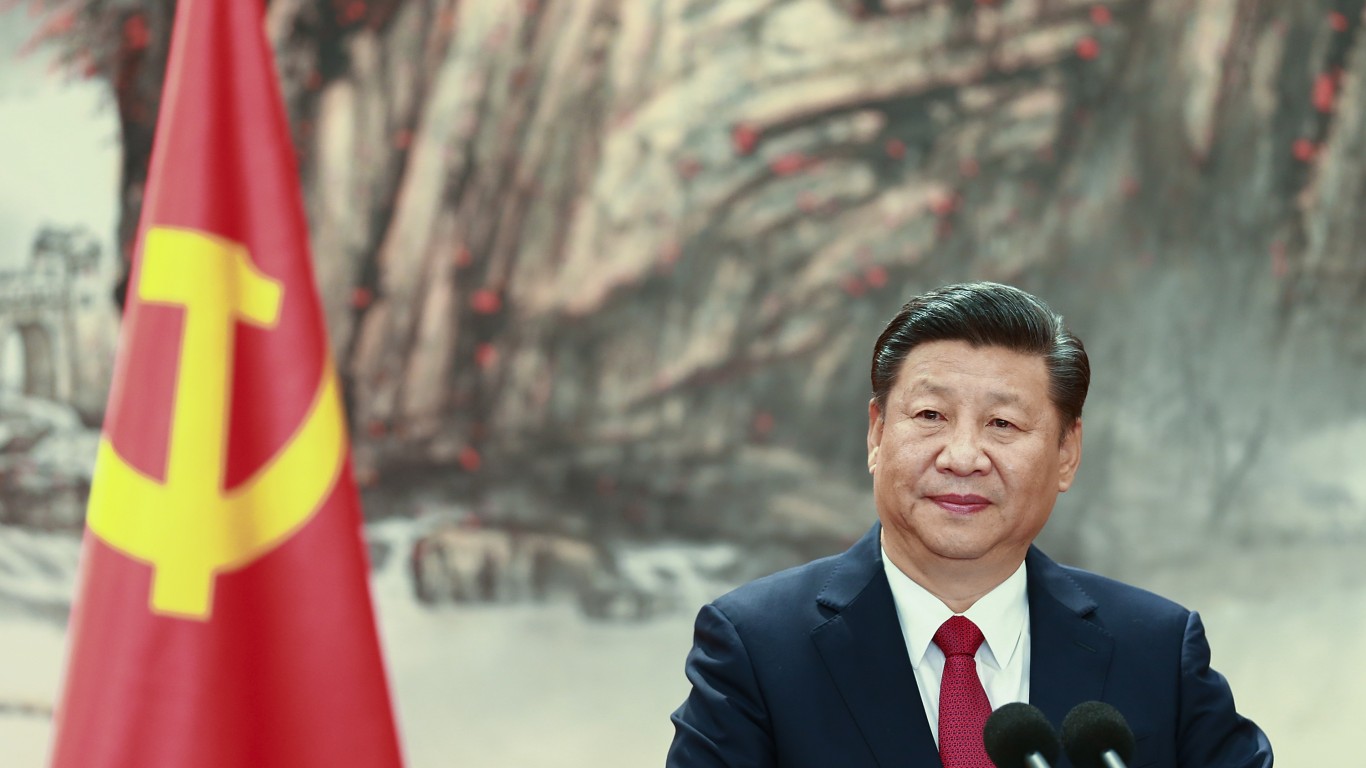
China’s preferred outcome would be to avoid an invasion entirely and achieve its political objectives in Taiwan without bloodshed. Hong Kong serves as a model for what peaceful unification might look like. Since its return to China from the British in 1997, Beijing has taken a “one country, two systems” approach to Hong Kong. Essentially, this means Hong Kong retains its basic law and way of life as a part of China. Of course, significant friction between Hong Kong and Beijing led to mass protests in 2019-20.
Taiwan is still quite a young democracy. It was only in the late 1980s that Taipei shifted away from authoritarian rule. Recent political trends in Taiwan are not promising for Beijing. The separatist Democratic Progressive Party (DPP) is the largest political party in Taiwan and has won the last three presidential elections. Polling from Taipei’s National Chengui University shows that just a small percentage of respondents want unification with China. NCCU’s Election Study Center has consistently shown very low support for unification (usually under 10%) and very low support for immediate independence (also under 10%), with a strong majority supporting maintaining the status quo. Other polls show an increasing sense of Taiwanese national identity, which is most acute among younger people.
In short, the prospects of Beijing enticing Taipei back into the fold with political concessions are remote.
Diplomatic And Economic Pressure
Taiwan has few natural resources and an economy heavily focused on exports. As Taiwan’s most important trading partner, China has a lot of economic leverage. Similarly, Taiwan is fast running out of allies thanks to relentless pressure from China. Additionally, Taiwan’s decision to shut down all of its nuclear plants would make it more dependent on energy imports. However, though Taiwan originally aimed to phase out nuclear power by 2025, political and public debates have since reopened the issue. Some plants have been kept in limited service or had their phase-out delayed due to energy security concerns. Cutting Taiwan off from the mainland and pressuring the rest of the world to follow suit could force Taipei’s hand. The main problem with the strategy will be enforcing it. Taiwan is a leading producer of semiconductors, and few countries would be willing to take that economic hit to appease Beijing. As the war in Ukraine has shown, nations are happy to bypass sanctions if their economic interests are threatened.
Because the peaceful options are unlikely to succeed, China will need to back its moves against Taiwan with military power. However, there are still options short of an invasion.
Naval Blockade
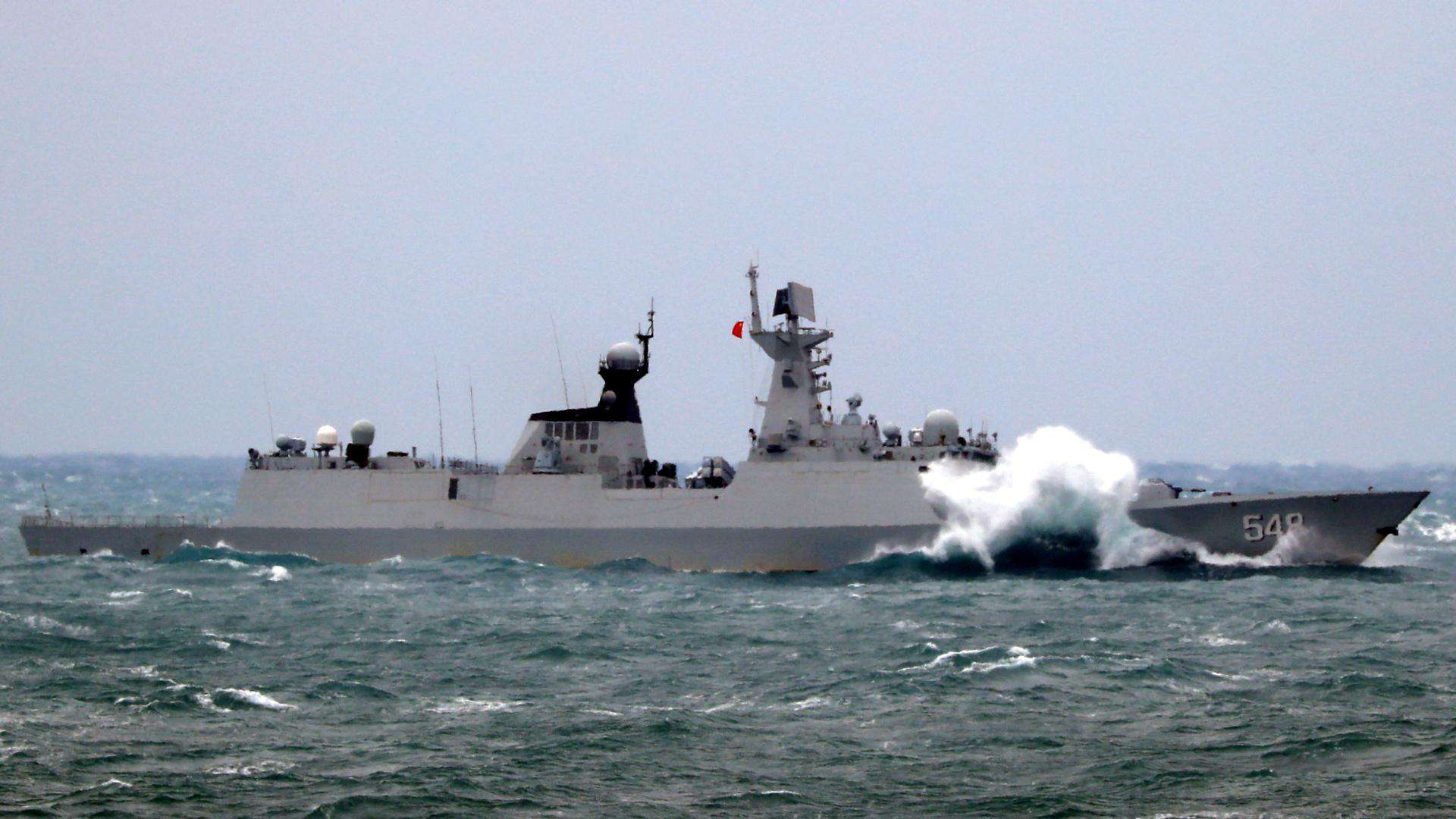
The People’s Liberation Army Navy is the largest in the world. Taiwan’s naval forces are considerable but simply no match for China’s fleet. Beijing has ample ships to surround and blockade Taiwan. Simply cutting off Taiwan from the rest of the world offers an indirect path to victory without an expensive invasion. History shows naval blockades are a viable strategy. In the American Civil War, the Union blockade, while not always successful, deeply hurt the South’s capacity to wage war. Similarly, the Royal Navy’s blockade in World War One was a huge factor in defeating Germany. Of course, in both cases, those wars were won on the field of battle rather than at sea.
China will almost certainly blockade Taiwan in an invasion scenario but a blockade alone could take years to achieve victory, if at all.
Strategic Bombing
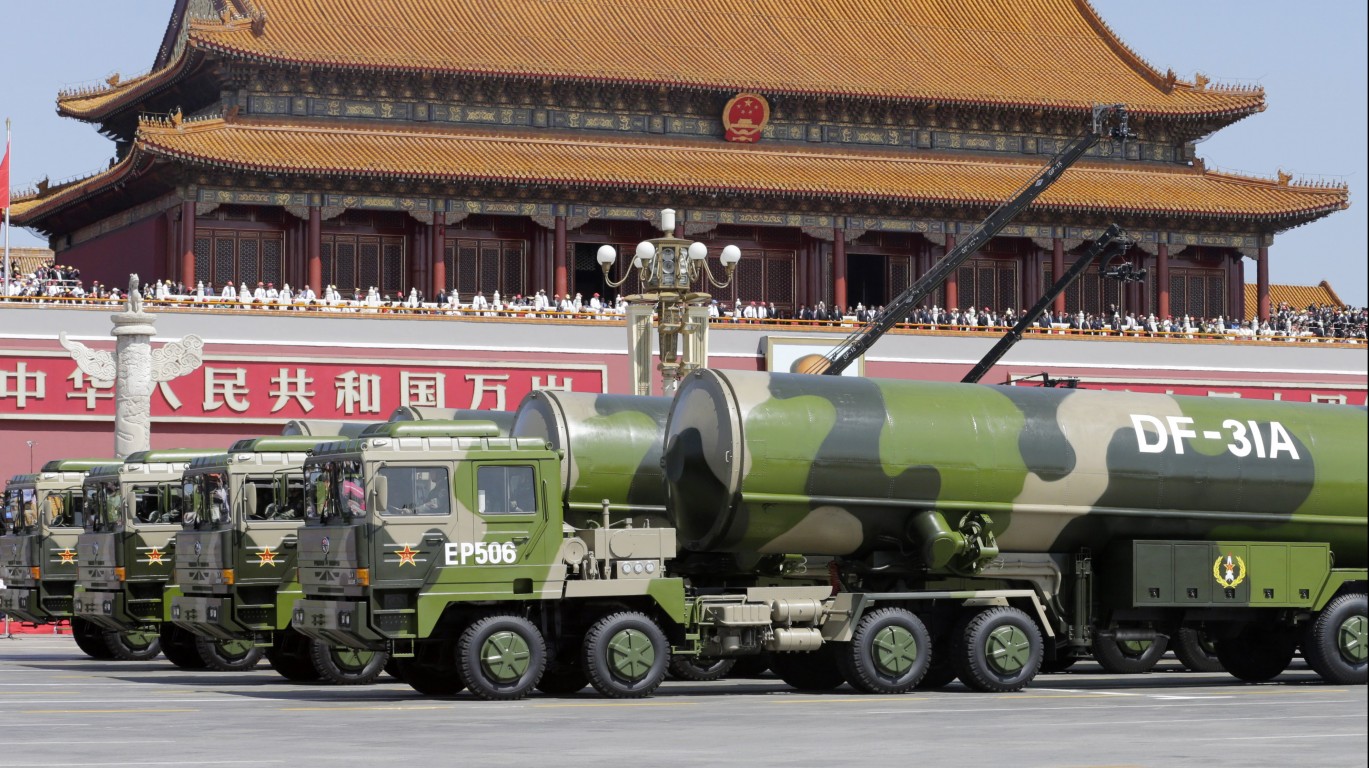
Another indirect route to victory is through air superiority and firepower. Like the naval match-up, numbers are overwhelmingly on Beijing’s side. The Chinese Air Force has about a 4-to-1 advantage in combat aircraft and the army has invested heavily in anti-access and aerial denial munitions (A2/AD). China could attempt to systematically dismantle Taiwan’s military, economy, and infrastructure without stepping foot on the island. This could avoid unnecessary bloodshed though civilian casualties are a certainty no matter how carefully the plan is executed.
Directly targeting civilian population centers is not only morally reprehensible, it is strategically flawed. History has shown that deliberately attacking cities only hardens the resolve of the people being bombed. Germany failed to subdue Britain in World War Two just as the Royal Air Force’s retaliatory attacks on German cities did little to achieve victory. China’s goal of unification would be severely undermined if it attacked its “own” citizens.
Like a naval blockade, targeted air, drone, and missile strikes will be a part of the invasion but won’t be enough alone. Certainly not with the timeline China will have in mind. A protracted conflict will only heighten the risks of escalation into a regional, or worse still, global conflict. If China elects to use force to take Taiwan, an amphibious landing by the People’s Liberation Army (PLA) is almost certainly going to be needed.
Decapitation
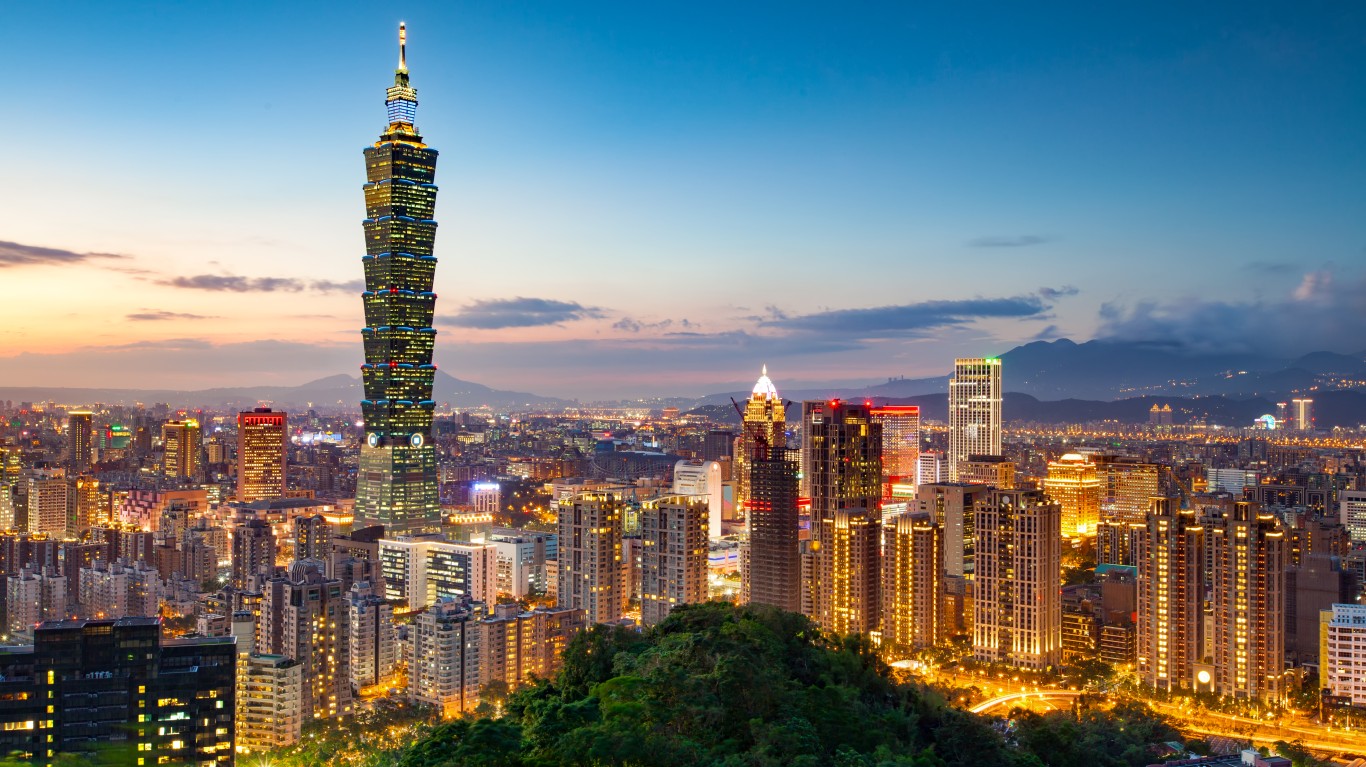
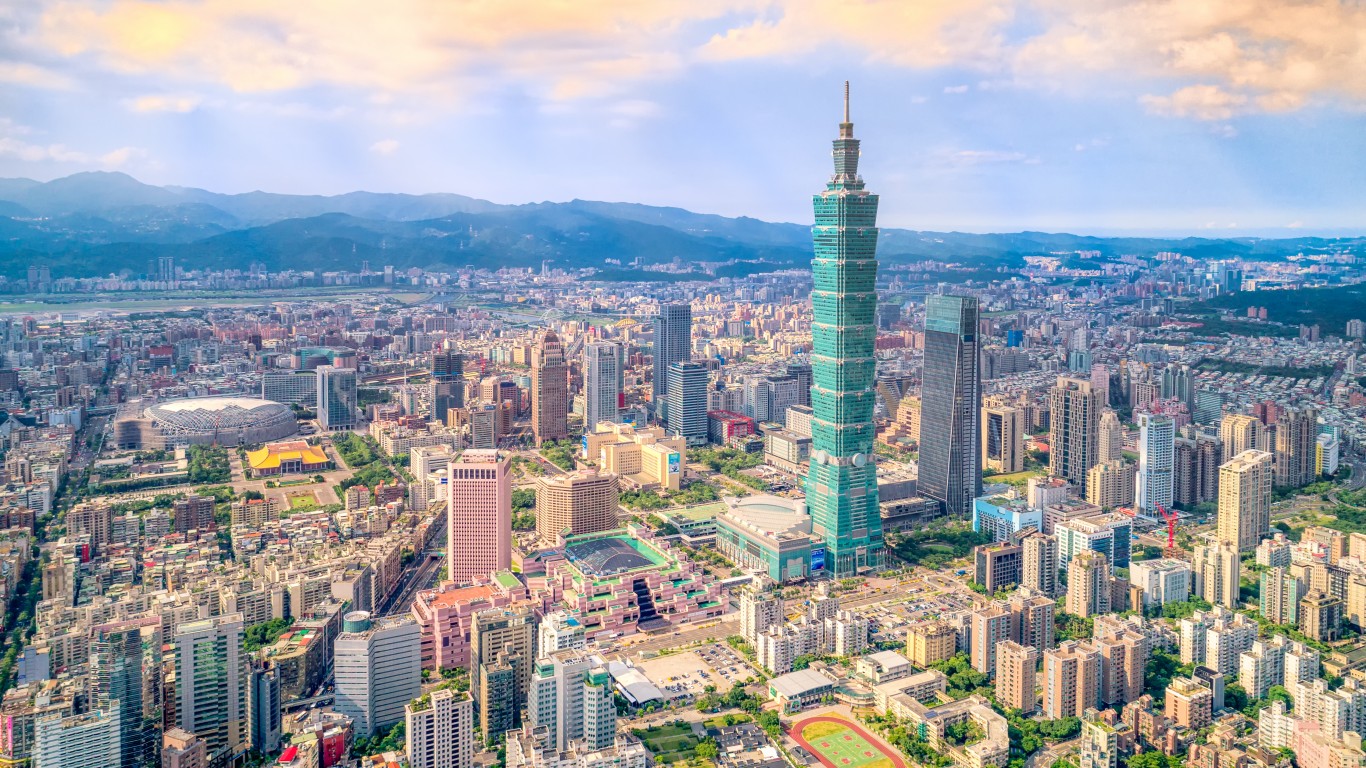
Taiwan’s geography is not conducive to amphibious landings. In World War Two, the United States considered but abandoned plans to invade Formosa (Taiwan’s historic name) because of concerns over the difficulty of the venture. There is, however, one thing in China’s favor: the location of Taiwan’s capital. Taipei is in the north of Taiwan. If the PLA could force landings north of Hsinchu and at Yilan and link up, Taipei would be cut off from the rest of the island. A decapitation strategy might just be enough to avoid a protracted campaign on unfavorable terrain.
Multiple Landings
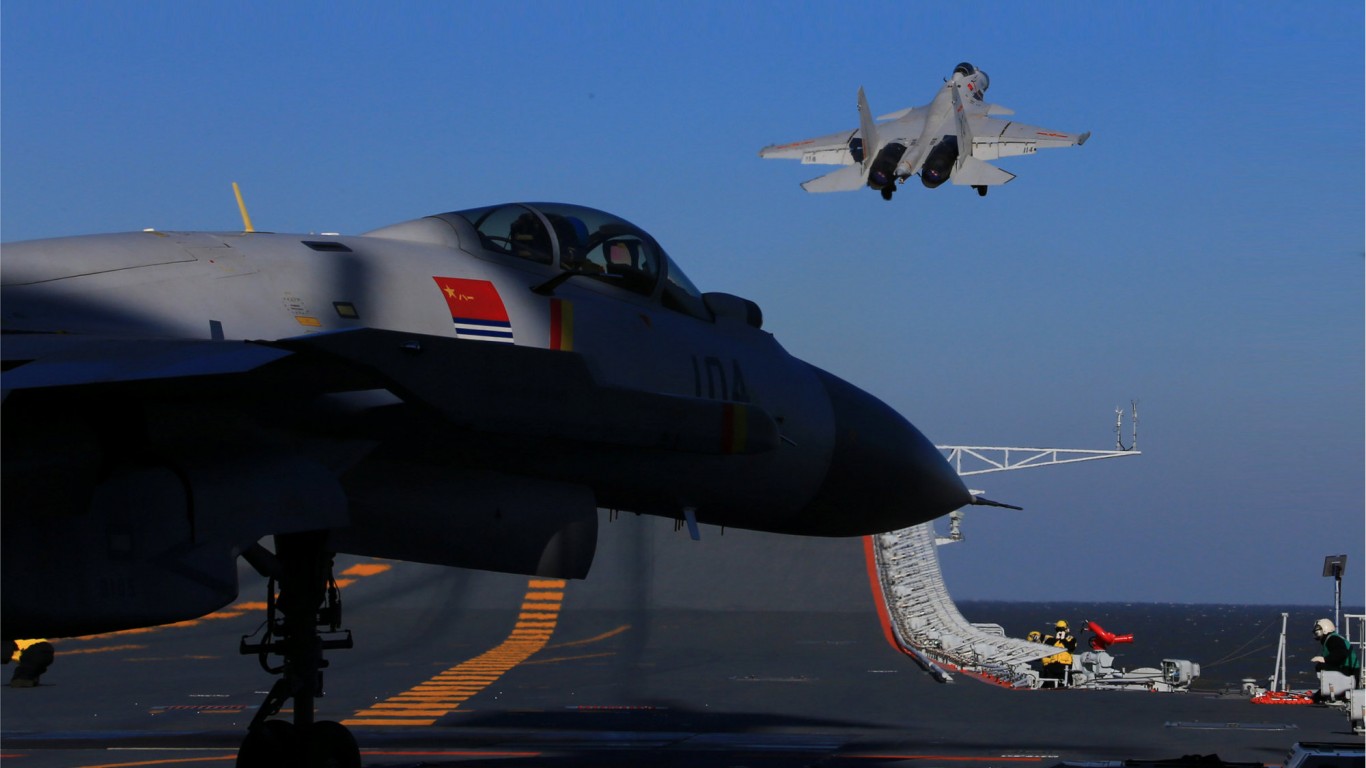
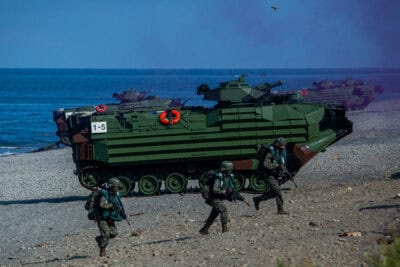
There are only so many places the PLA can land. Taiwan knows exactly where these are and has run military drills on the dozen so-called “Red Beaches” to prepare. There will be no element of surprise and any landing will be fiercely resisted. However, with such a huge disparity in man and firepower, that might not matter. The PLA could elect to attempt to land on every beach at once, stretching Taiwan’s limited forces to breaking point. If the PLA is willing to absorb heavy losses, multiple beachheads could be formed. This would also reduce the risk of a counterattack when the invading forces are at their most vulnerable.
Mopping Up
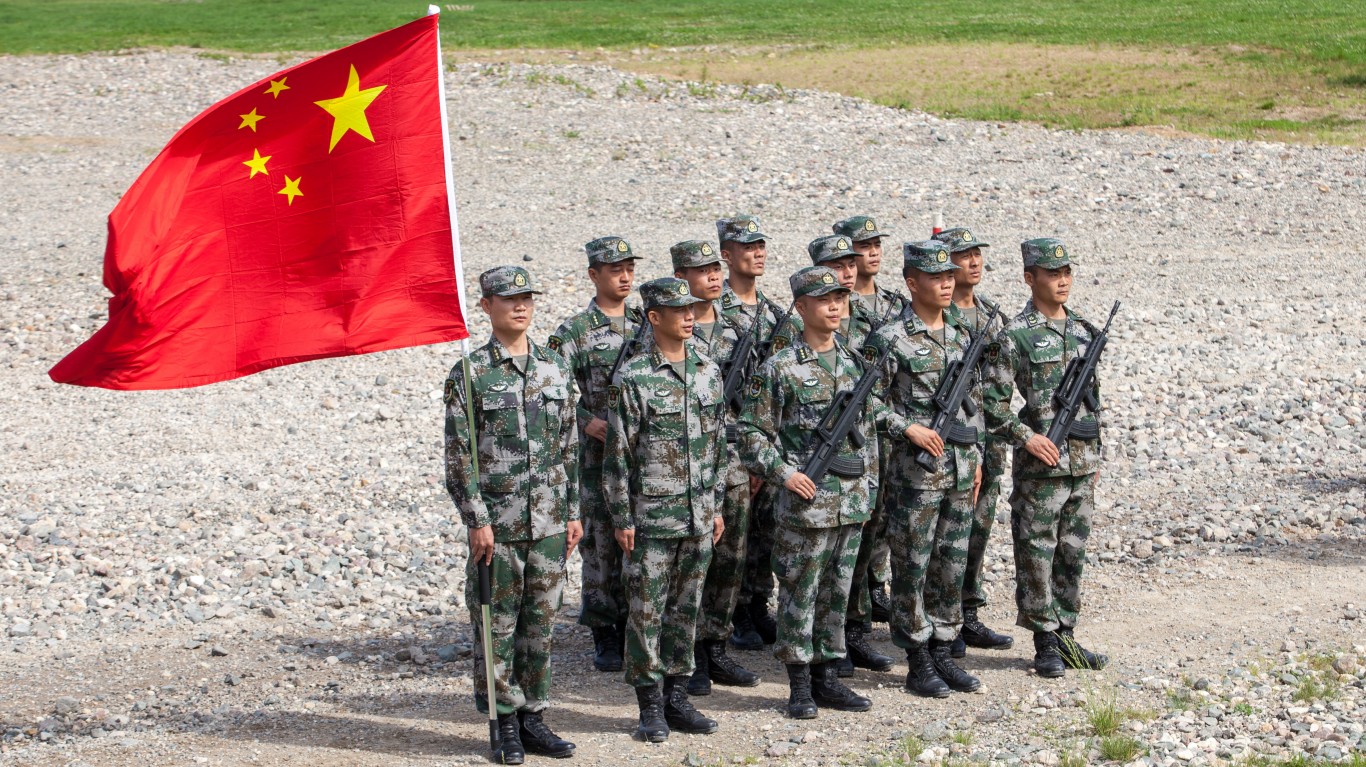
Landing forces on Taiwan’s shores will be difficult and costly, especially for a military as operationally inexperienced as China’s. With almost 50 years since its last large-scale war (the 1979 Sino-Vietnamese War), the PLA is well aware of the problem and is making efforts to address the so-called “peace disease.” The war in Ukraine serves as a stark warning for poorly led militaries and how difficult it is to subdue a determined foe. China certainly has the manpower and hardware to invade but until the attempt is made, it is unclear if they have the leadership and know-how.
History shows that the first few days and weeks after a landing are crucial. After D-Day, the Allies had difficulty breaking out of the initial beachheads at Normandy and suffered over 200,000 casualties in the attempt. Similarly, the invasion of Italy was a brutal grind against what was supposed to be the “soft underbelly” of the Axis.
Even if the PLA landings succeed, there is still a lot to be done to bring Taiwan to heel. Momentum will be key but the terrain will make that difficult. Taiwan is full of dense jungles, large cities, and mountains. All are ideal for waging a defensive, asymmetric war. It will heavily depend on Taiwan’s will to resist after its outer defense is breached. Operations could take months, if not years, to fully stamp out resistance. An overly heavy hand would be counterproductive. Winning the peace will be just as, if not more, difficult than winning the war.
The American Quandary
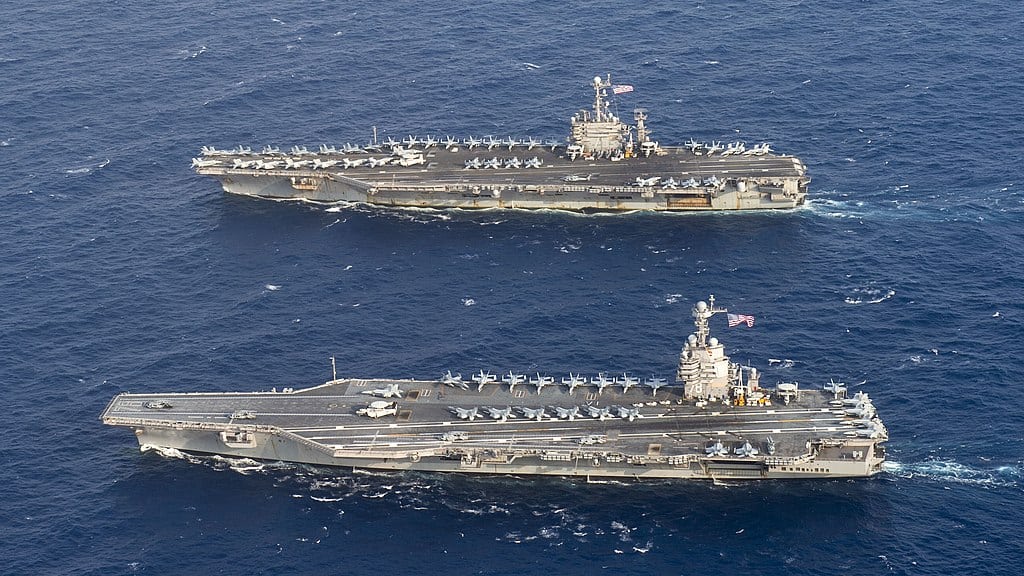
The biggest potential obstacle to a Chinese invasion of Taiwan is the United States. American policy toward the Taiwan question is deliberately opaque. In 1979, the United States established ties with the People’s Republic of China and withdrew its recognition of the Republic of China. However, the United States did not entirely abandon Taiwan with this move. The 96th Congress passed the Taiwan Relations Act(1979) which states:
…the United States shall make available to Taiwan such defense articles and defense services in such quantity as may be necessary to enable Taiwan to maintain a sufficient self-defense capacity as determined by the President and the Congress.
In 1996, the Clinton administration sent carrier groups through the Taiwan Strait in a show of force after China conducted weapons tests in the strait. China has strengthened considerably since then and its development of A2/AD munitions is squarely aimed at preventing American carrier groups from intervening on Taiwan’s behalf. So-called “carrier killers” are unproven in live combat but may just be enough to keep the United States at bay.
A conflict between China and the United States is a mutually disastrous proposition that both sides want to avoid. China’s best hope for taking Taiwan is to convince the United States that intervention would come with too great a price. The American objective is strikingly similar: maintain the status quo through deterrence. In August 2023, the Biden administration approved a $345 million direct military aid package to Taiwan under the Presidential Drawdown Authority (PDA), marking the first time the U.S. provided aid directly from U.S. stockpiles rather than arms sales. Strategic ambiguity has worked reasonably well for the United States, but a more assertive posture may be needed in the future as any perceived lack of resolve will be exploited.
Conclusion
China has the numbers and will soon have the hardware to take Taiwan by force. There are several paths forward short of forcing a landing on Taiwan’s so-called “Red Beaches” but none will deliver a swift and decisive victory. China has a huge advantage in men and material, but Taiwan’s geography makes an invasion risky, especially for an inexperienced military.
American intervention is the biggest threat to China’s plans and a protracted war only heightens that risk. For a book written over two thousand years ago, Sun Tzu’s The Art of War offers a remarkably prescient warning for China’s plans for Taiwan:
There is no instance of a country having benefited from prolonged warfare.
If China wishes to succeed in an invasion of Taiwan, it will have to strike quickly, decisively, and almost certainly absorb huge losses. To successfully deter China, the United States may need to adopt a more decisive position on Taiwan.








 Top Gaining Stocks
 Top Losing Stocks