



Key points
- The Sam’s Club Mastercard offers up to 5% cashback rewards on in-store purchases for Plus members.
- This Sam’s Club credit card also offers generous cash back rewards on gas.
- Walmart, the owner of Sam’s Club, pays dividends to its stockholders. But two major dividend paying companies exist outside the retail sector. We reveal them in our free report 2 Dividend Legends to Hold Forever.
The Sam’s Club Mastercard charges no annual fee and offers exceptional cashback rewards on gas and dining out. But cashback rewards on in-store purchases may be more appealing to Plus Sam’s Club members.
And the way cash back is earned and redeemed can be very confusing.
So let’s explore the benefits and drawbacks of the Sam’s Club Mastercard to see if this could be right for you.
Sam’s Club Mastercard: Where it shines

The Sam’s Club credit card offers major rewards on certain categories.
The Sam’s Club Mastercard stands out for its cash back rewards deals, especially for specific categories. Here’s how these break down.
- 5% back on gas for the first $6,000 per year (1% after).
- 3% back on dining (1% back on other purchases)
- 5% back on eligible in-club purchases for Plus members (3% with Sam’s Club Mastercard + 2% with the Plus membership).
- 1% cashback on eligible Sam’s Club purchases with the Mastercard for Club members.
Sam’s Club cashback rewards or “Sam’s Cash” can be used to cover in-club or online purchases, and may be redeemed for cash at club locations up to a maximum amount determined by the company.
Where Sam’s Club Mastercard falls

The Sam’s Club credit card has some exceptions that may turn some customers away.
While the cashback rewards for buying gas and dining out are solid, the value of its in-store purchases depends on the type of membership you have.
Plus members get 5% cashback on eligible in-store purchases. On the other hand, the basic Club membership gives you just 1% with the Mastercard.
And the way you earn cashback can get complex.
The 2% cashback on the Plus member tier can only apply to in-store purchases, but not online. The 3% cashback from the Mastercard itself can apply to in-store purchases and Sam’s Club online purchases.
The cashback maximum across all eligible sources on the Mastercard is capped at $5,000 per year.
And while there’s no annual fee for this credit card, you need to be a Sam’s Club member to apply for one. Here’s how annual membership fees break down.
- Club membership: $50
- Plus membership: $110
And keep in mind you would probably need excellent credit to qualify for this Sam’s Club credit card. Credit scores of at least 750 generally are considered excellent based on FICO and VantageScore scales. But be aware that a credit score does not solely determine your eligibility for any credit card.
Also, be aware that the current variable APR ranges from 20.90% or 28.90%. This is in line with the average credit card rate of around 25%.
Should I get the Sam’s Club Mastercard?

Take a close look at the fine print of the Sam’s Club Mastercard before deciding to apply.
If you’re a Plus member who drives around and eats out a lot, the Sam’s Club Mastercard may be right for you. But if you’re a Basic member who doesn’t make much gas or dining out purchases, a similar cashback credit card with no annual fee may work better for you.
It may also help to crunch some numbers.
Let’s say you’re weighing upgrading to the Plus membership to get the extra rewards with the Mastercard. With a Plus membership, the Mastercard would gain you 4% more than if you combined it with the Basic plan. The difference in membership costs between the Plus and Club memberships is $60. So $60 divided by 0.04 is $1,500. This is how much you’d need to spend on eligible purchases in a year to get those extra $60 back. To get the total membership cost of $110 back, you’d need to spend at least $2,200.
Why did we cover this?
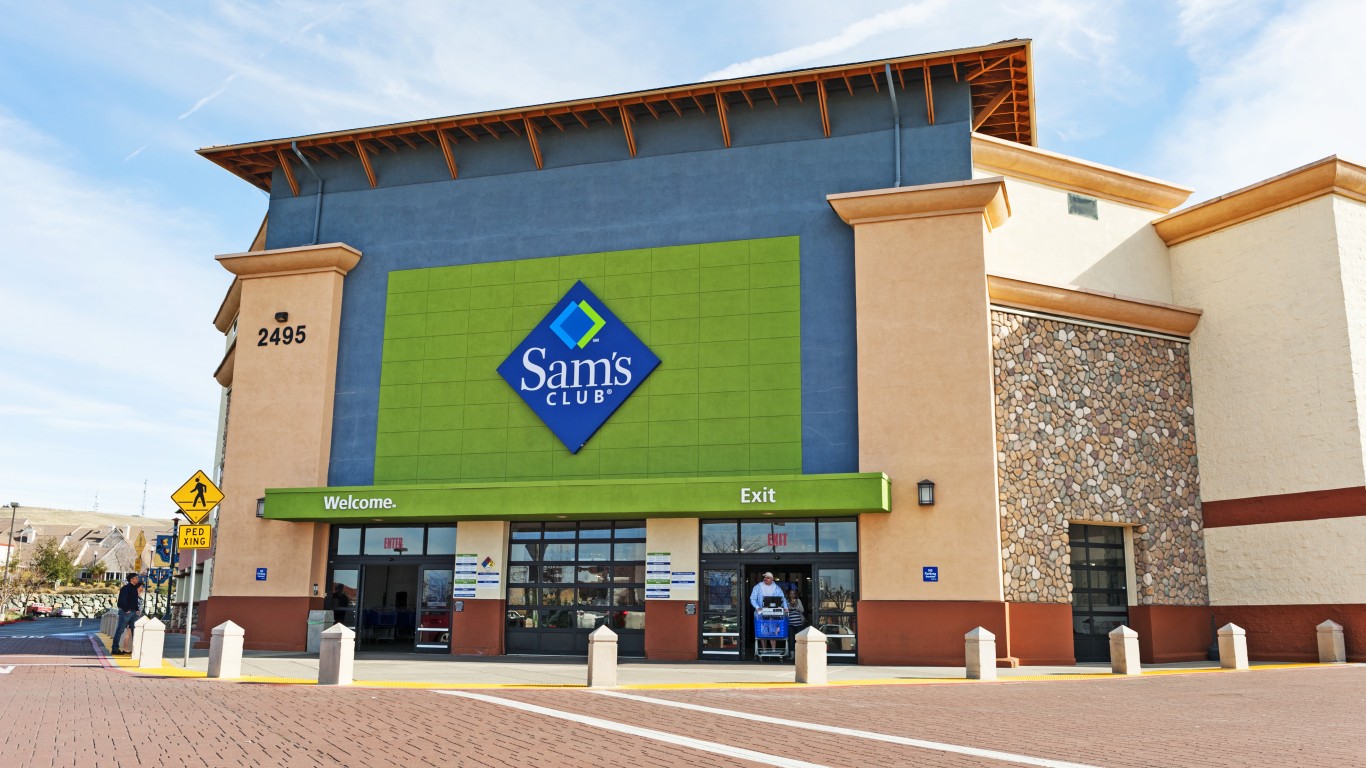
Pay close attention to the pros and cons of the Sam’s Club credit card before signing up for one.
With skyrocketing prices on food and other basic goods, it’s no wonder people are flocking to discount warehouse retailers like Sam’s Club. In fact, Sam’s Club has around 69 million members. Many may be considering opening a Sam’s Club Mastercard issued by Synchrony Bank to boost their savings. So we developed this guide covering the pros and cons of this credit card to help you see if it’s right for you.
And if you’re considering a wholesale retailer membership, you can also explore competitors like Costco which has its own Costco credit card.














 Top Gaining Stocks
 Top Losing Stocks