



Die-hard coffee lovers know the value of a perfect cup of Joe, but just how much would they be willing to spend on one?
Where Does the World’s Best Coffee Come From?
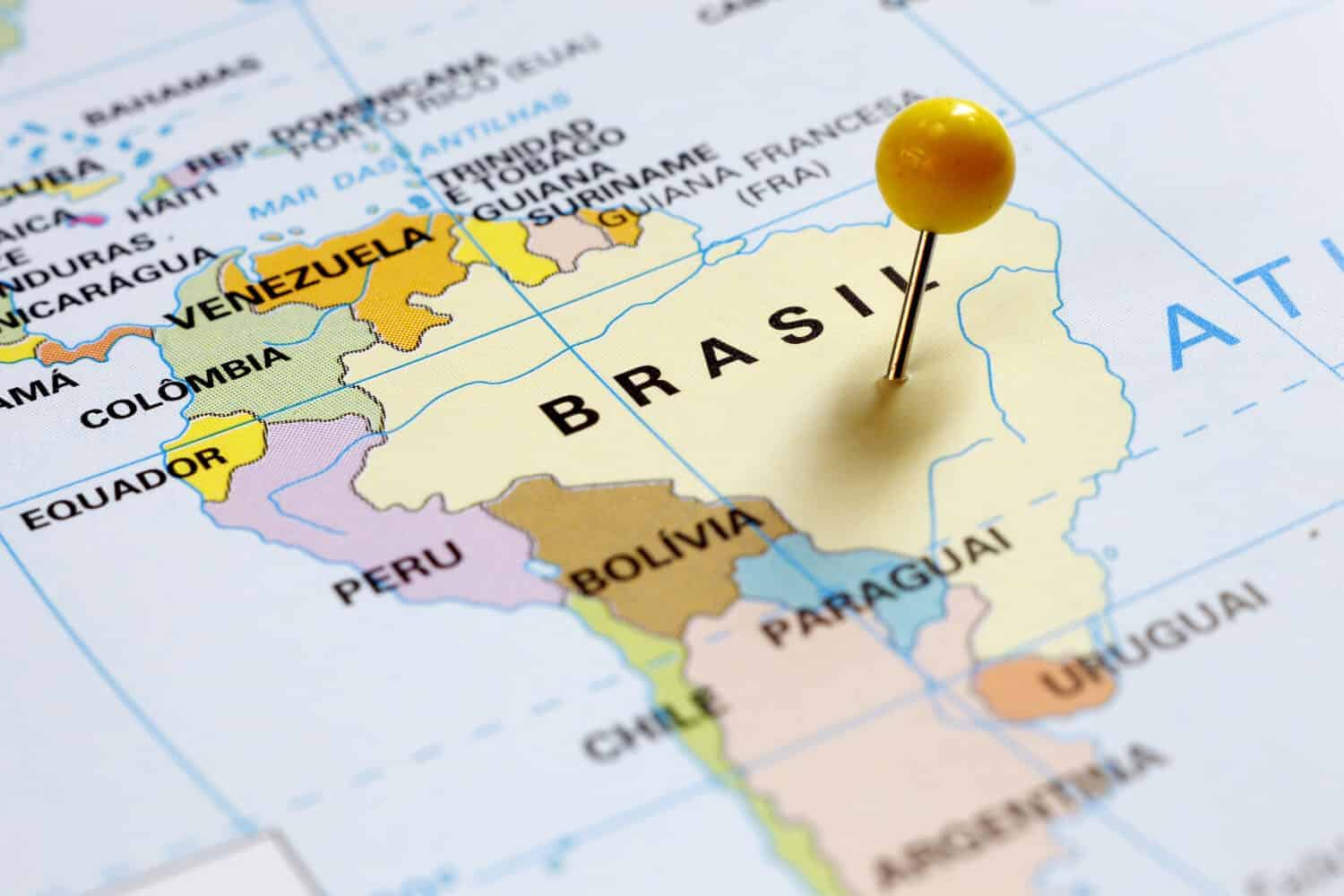
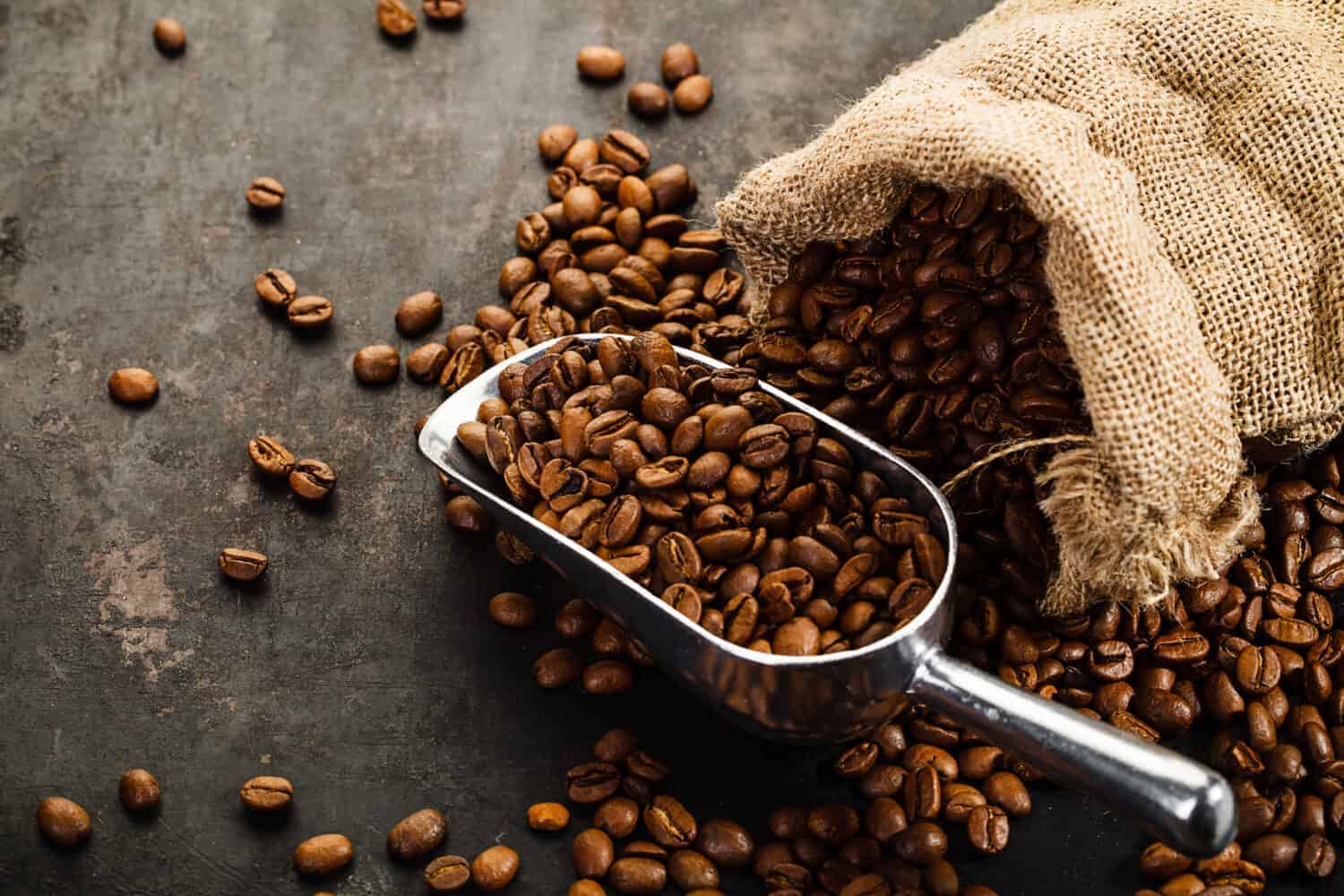
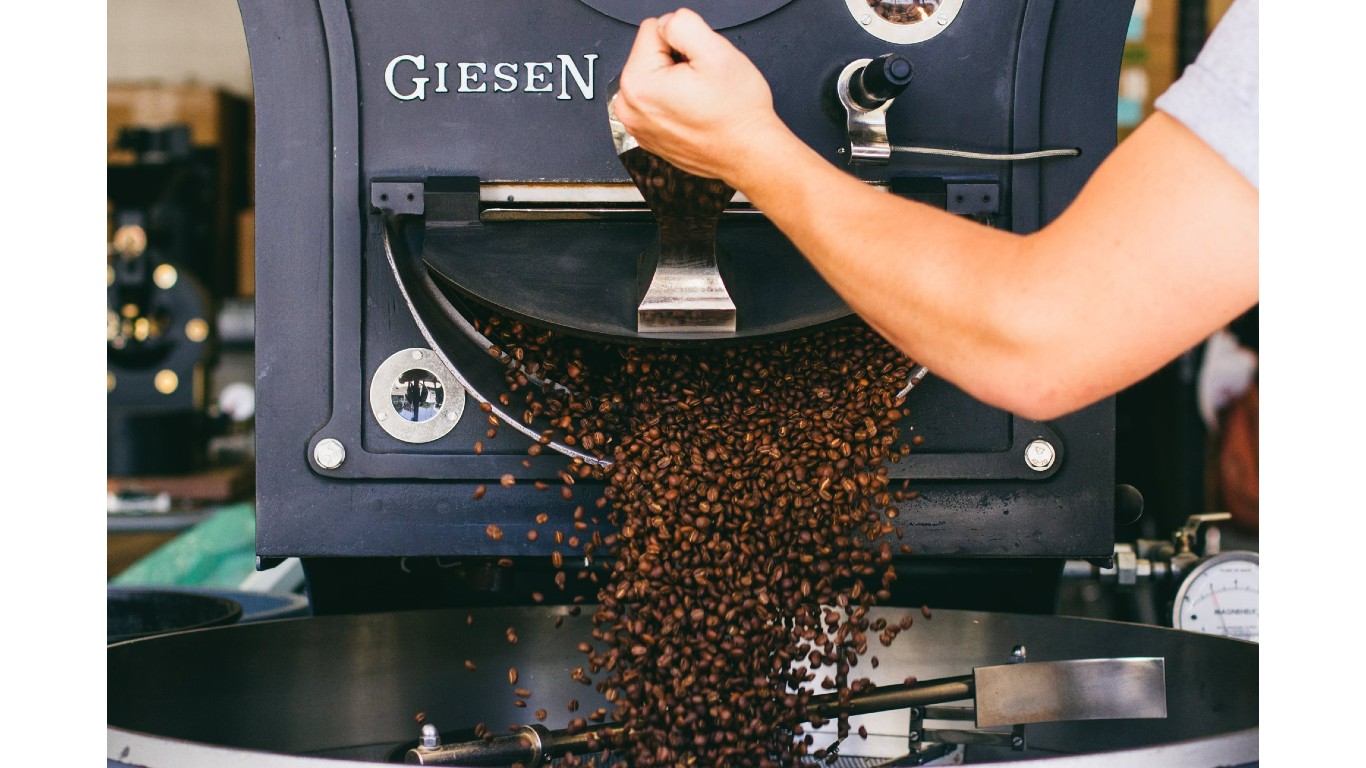
Coffee beans flourish in tropical locations such as South America and Central Africa. After they are carefully harvested, coffee beans are processed, roasted, and ground before they appear in your cup. The most expensive coffee in the world undergoes a truly unique process to achieve its one-of-a-kind taste.
Kopi Luwak is the World’s Most Expensive Coffee
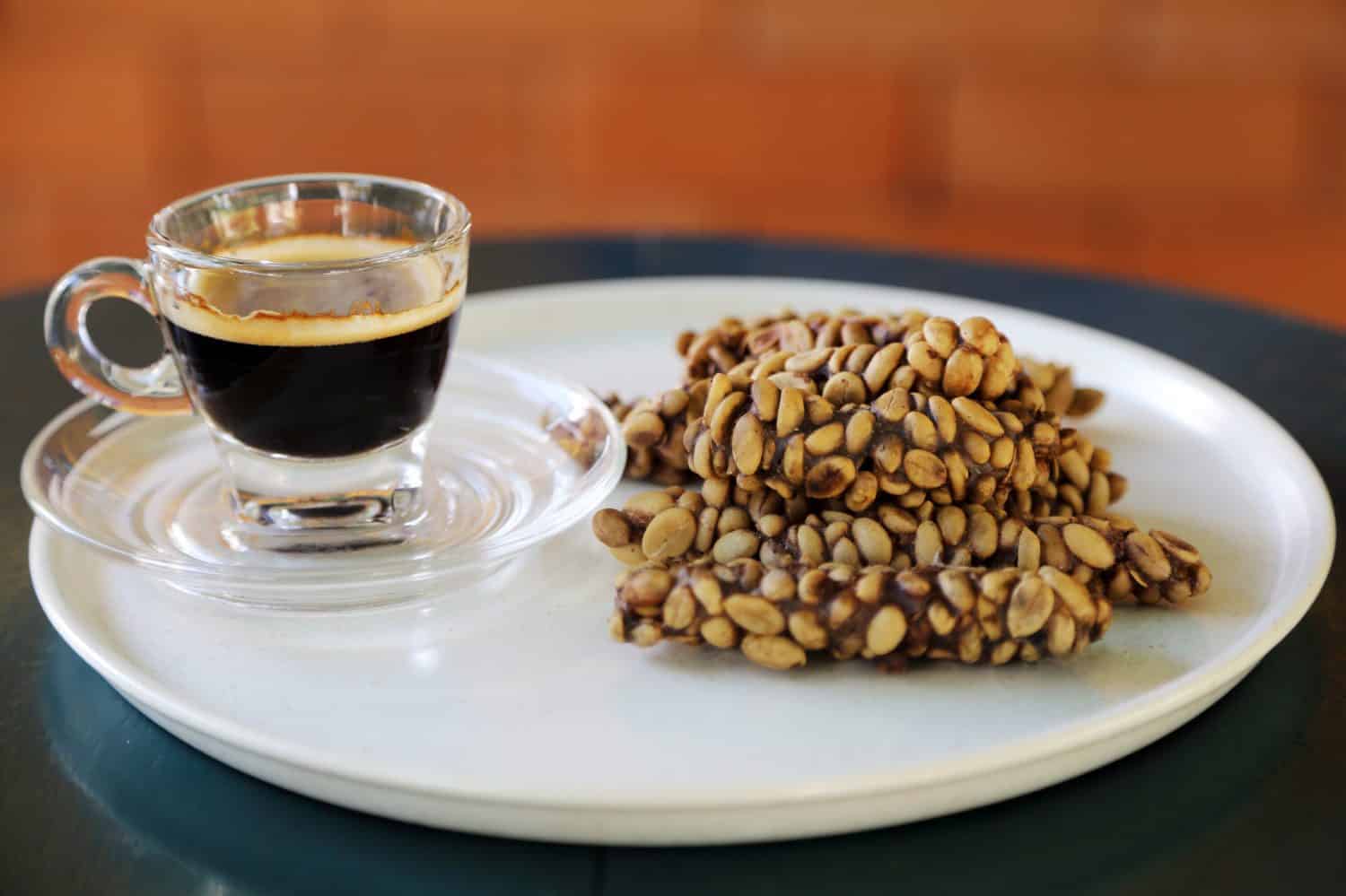
Kopi Luwak is the most expensive coffee in the entire world, fetching a price of at least $50 per pound for farmed beans and $300 per pound for wild beans, according to Pure Kopi Luwak.
Kopi Luwak is the World’s Most Expensive Coffee (cont)
Prices for Kopi Luwak coffee beans are thought to span between $100 to as high as $600 per pound and between $5 and $100 per cup, depending on how it is cultivated and where you obtain the coffee.
Processing the Coffee

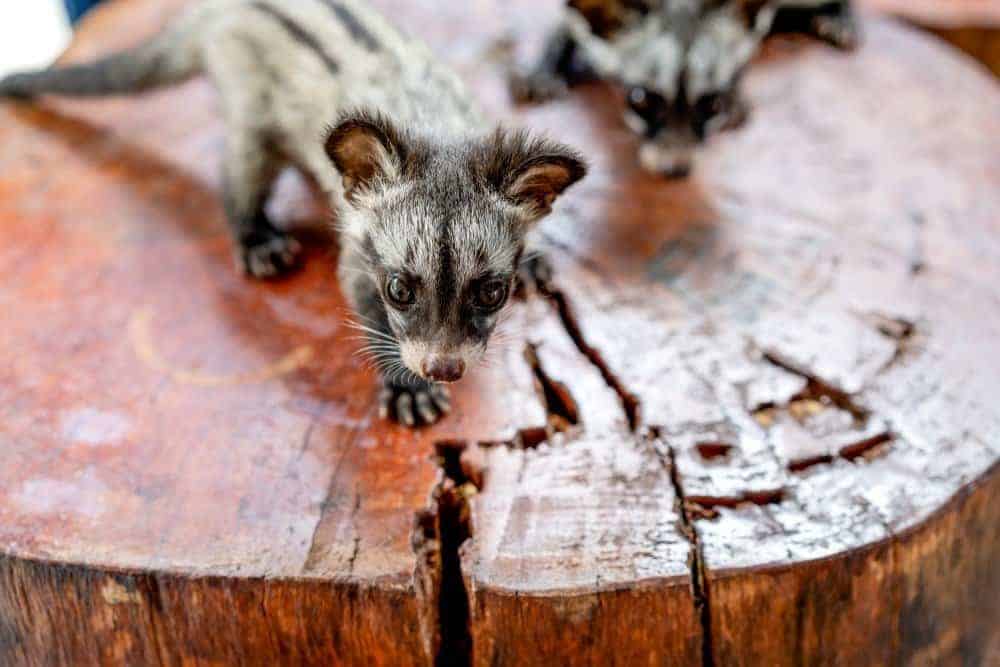
Coffee “beans” are actually seeds that contain caffeine and are found within coffee cherries. Palm civets (also known as common palm civets, toddy cats, luwaks, or musangs) eat ripe coffee cherries. Civets are not able to digest the coffee beans, so they are defecated by the animal.
Processing the Coffee (cont)
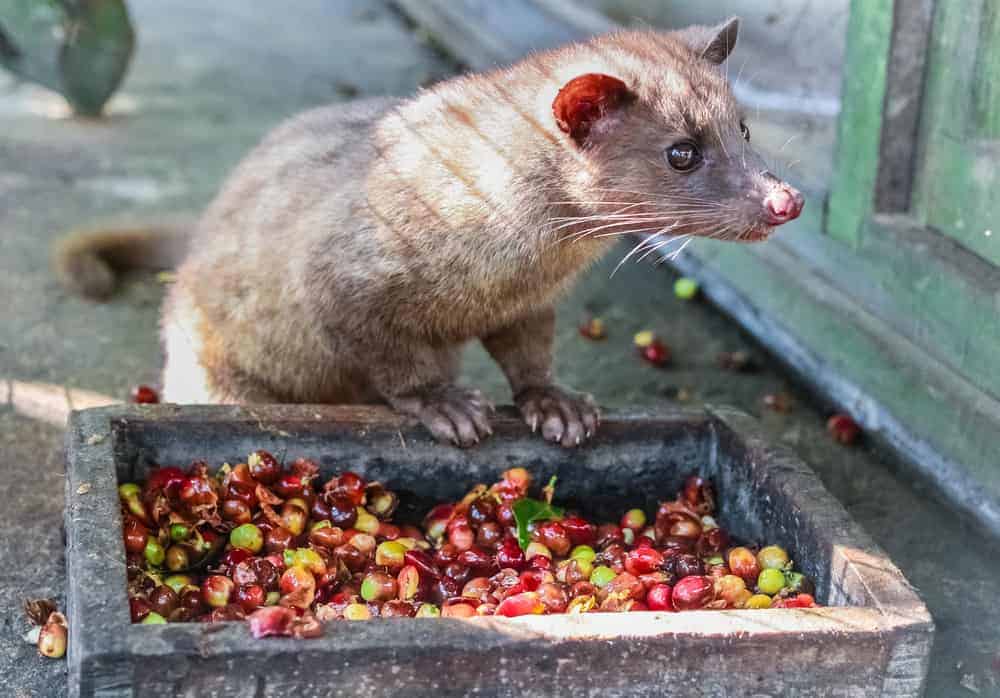
The feces are then collected to be processed into coffee. While that might sound unsanitary, Kopi Luwak is perfectly safe to drink. During processing, the outer layer of the beans is removed and the remaining product is thoroughly, washed and dried before being roasted and sent out to consumers.
How Does Kopi Luwak Taste?
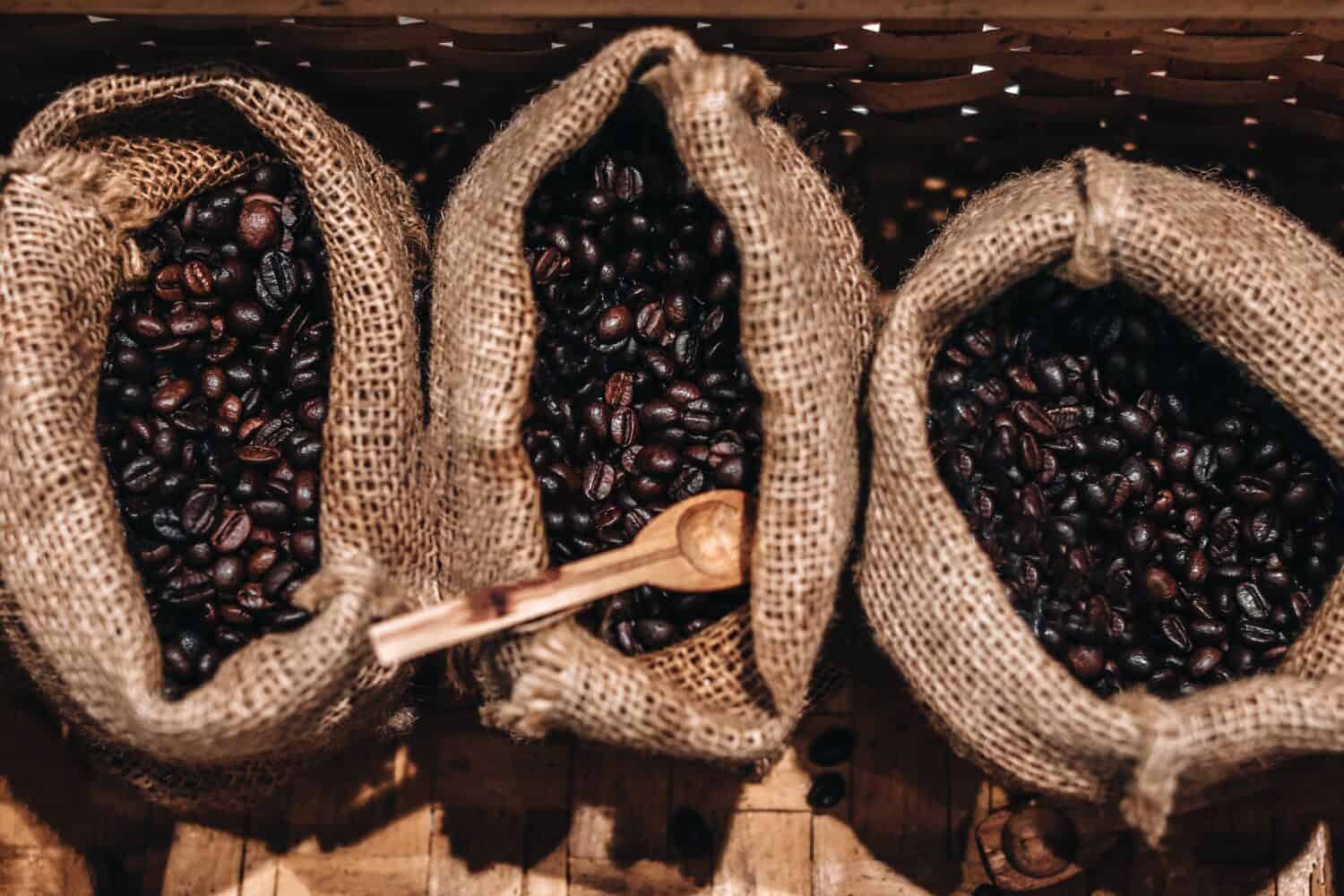
Considering the high cost of Kopi Luwak, it’s fair to wonder if the taste is worth the price. Kopi Luwak typically comes from Arabica, Robusta, or Liberica coffee, depending on what the civets eat. It is most commonly roasted to a medium roast.
How Does Kopi Luwak Taste? (cont)

Kopi Luwak is described as having a smooth flavor with hints of chocolate and caramel. The coffee is earthy but not bitter or too acidic. Kopi Luwak’s delicious and unique flavor is just one of the reasons for this coffee’s expensive price.
Why Is Kopi Luwak Coffee So Expensive?
Kopi Luwak’s high price point is due to the beans’ unique method of production. This brand is created from coffee beans that are partially digested by the Asian palm civet and then excreted, according to Kaya Kopi.
Why Is Kopi Luwak Coffee So Expensive? (cont)
Certain factors can affect the price point of Kopi Luwak. One of the most significant is whether you purchase these beans farmed or wild. Wild beans are considerably more expensive than their farmed counterparts.
Why Is Kopi Luwak Coffee So Expensive? (cont)
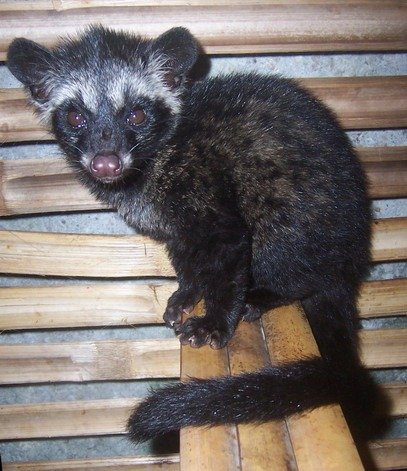
Consumers will also want to pay attention to where they purchase farmed Kopi Luwak. This method has been criticized as some coffee producers keep their palm civets in inhumane conditions. Brands such as Kaya Kopi claim to produce their beans from civets that live a “100% cage-free and healthy life.”










 Top Gaining Stocks
 Top Losing Stocks