


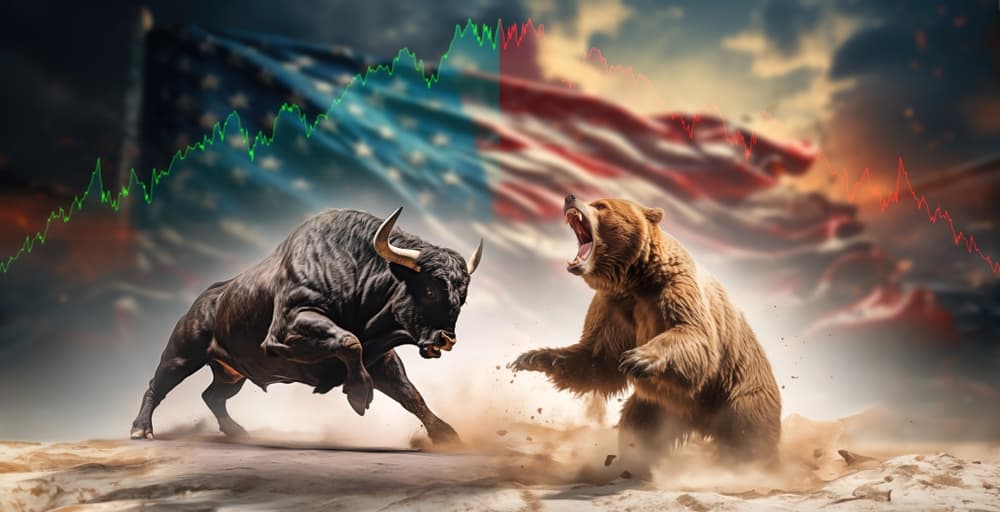
The comments made by Federal Reserve chairman Jay Powell about the need to cut interest rates shows how precarious the economy is. Inflation is rising again, there were 818,000 fewer jobs created over the past year than the government previously told us, and economic growth is predicted to slow to just 0.6% growth in the third quarter with further deterioration in the fourth.
We might not get a recession, but we could see the stock market crash. Investors should expect one, maybe even hope for one.
That’s because it gives you a chance to pick up stocks at a discount that were previously too expensive to buy. Moreover, bear markets tend not to last too long. They are typically measured in months whereas the bull markets that inevitably follow often go on for years.
It is why investors should prepare for the worst and hope for the best. The two stocks below are some of the best to buy for the market crash to come.
Key Points About This Article:
- Stock market crashes can and do regularly happen. They are a part of investing and give investors a chance to buy at a discount previous high-fliers.
- The two companies that follow are stalwarts in their respective industries and have the financial wherewithal to withstand any headwinds that might come with a downturn.
- If you’re looking for some stocks with huge potential, make sure to grab a free copy of our brand-new “The Next NVIDIA” report. It features a software stock we’re confident has 10X potential.
JPMorgan Chase (JPM)
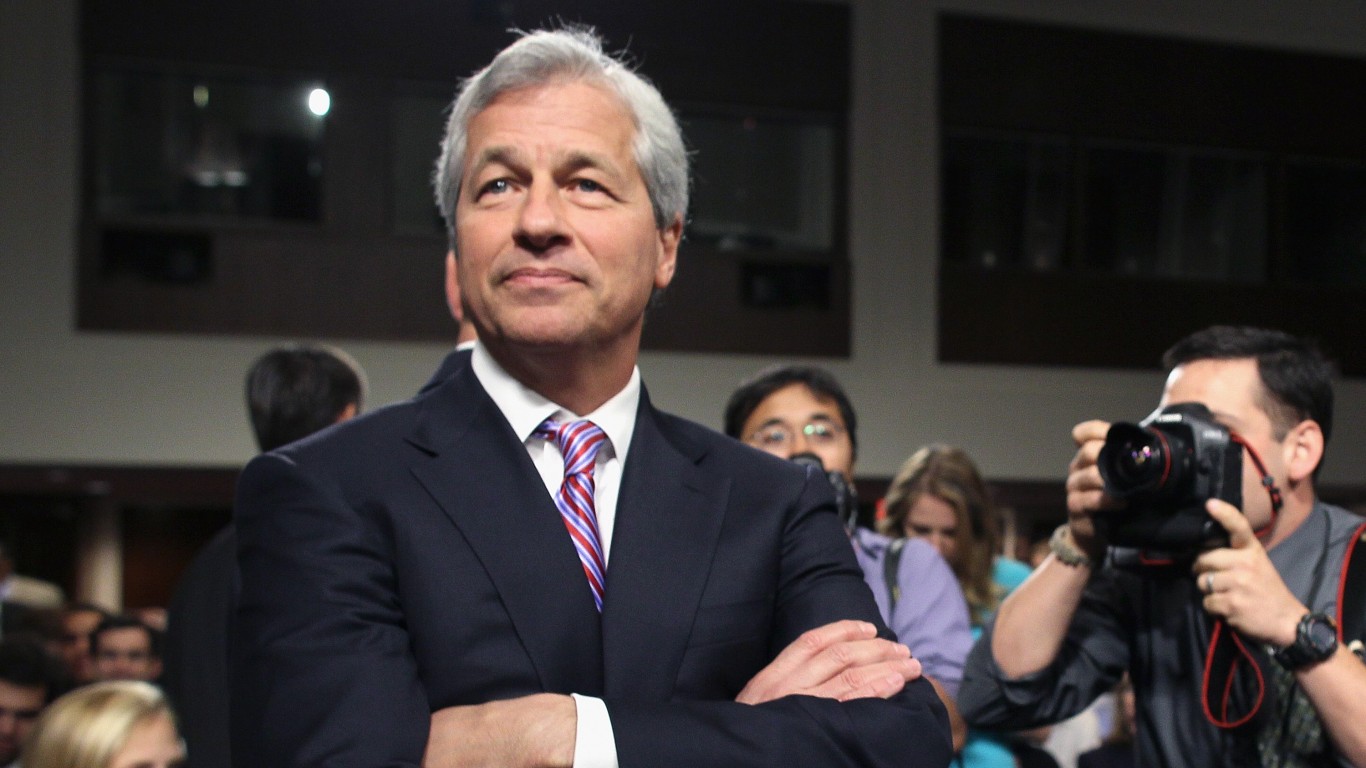
JPMorgan Chase chairman and CEO Jamie Dimon
Banking giant JPMorgan Chase (NYSE:JPM | JPM Price Prediction) should sit at the top of your list of stocks to buy to prepare for the downturn. It is the bank of last resort and one the federal government turns to in times of crisis.
During the regional banking crisis in 2022, it was JPMorgan that was tapped to rescue First Republic Bank after the failure of Silicon Valley Bank and Signature Bank. Just as the bank’s namesake founder bailed out the banking industry during the Panic of 1907, JPMorgan Chase helped resolve a bank run that could have brought down other financial institutions.
The breadth and scale of the bank’s resources is unmatched. Across its investment, commercial, and retail banking arms; credit cards; and asset and wealth management services, JPMorgan remains the premier U.S. bank.
The acquisition of First Republic didn’t hurt either. It was an attractive asset from the start because of the wealthy clients in the bank’s wealth management business, which helped further bolster JPMorgan’s balance sheet. Additionally, it is not likely to face any runs on its own business or face close regulatory scrutiny. Indeed, despite the Biden administration’s stated goal of preventing companies from becoming too big through acquisitions, JPMorgan was selected by the FDIC to save Republic.
With $3.875 trillion in total assets, the banking behemoth is positioned to take more share across its various services and should see sustained growth for at least the next decade.
Procter & Gamble (PG)
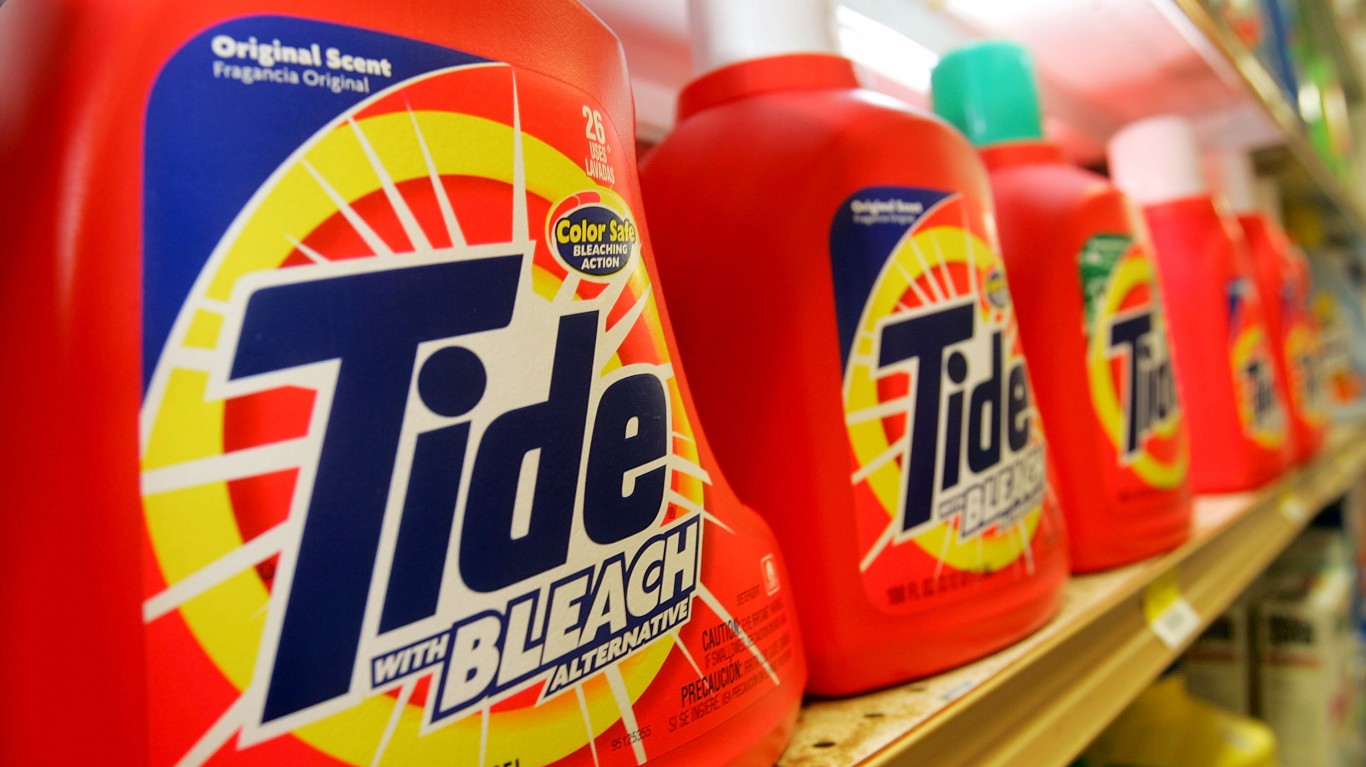
Bottles of Tide laundry detergent
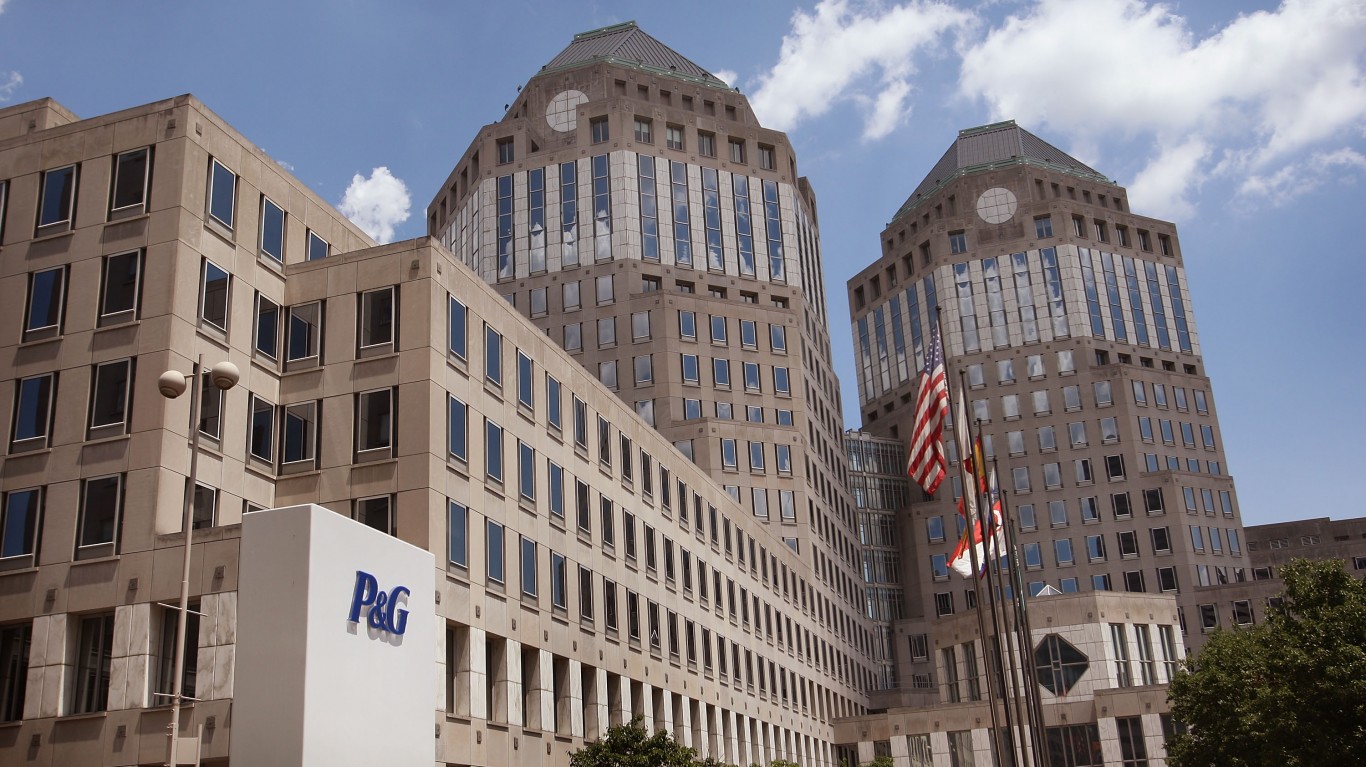
Although Procter & Gamble (NYSE:PG) doesn’t have quite the same heft as the bank, the consumer products company has a storied history of its own. Founded in 1837, the owner of Pampers diapers, Tide laundry detergent, and Gillette razors owns a portfolio of some of the biggest and best-known brands on the market. Its products often hold the No. 1 or No. 2 selling position in their respective markets.
Despite its stock lagging the broader market over the past three-, five-, and 10-year periods, Procter & Gamble is changing direction. In fact, it began the process a decade ago when it began selling off many non-core brands and businesses in an effort to right-size its operations and focus on critical geographic markets. It coupled those efforts with investments in product innovation and marketing to support their growth.
Today, the consumer products giant has a brand relevance with consumers and retailers that allows it to maintain its position and niche dominance. Of course, even brand names come under pressure during high inflation, high interest rate periods as consumers trade down to save money and P&G is no different. Yet it has been able to raise prices to offset its higher costs, though increases have been less this year.
Procter & Gamble is also a dividend powerhouse. It has paid a dividend for 134 consecutive years and has raised its payout for 68 straight years, making it a Dividend King. The stock is matching the market’s performance this year and as consumers return again and again to its everyday essentials, look for PG stock to weather any market downturn.








 Top Gaining Stocks
 Top Losing Stocks