



Social Security is an important benefits program, but it is also a very complicated one. Understanding how the benefits formula works, when you should claim benefits, and what factors can reduce your benefits can be a major challenge for those nearing retirement and trying to make informed choices.
Unfortunately, not only are there a lot of rules, but some of them also don’t make very much sense and can actually be damaging to retirees’ financial security. In particular, there are five key Social Security rules that sorely need to change, because they are making life much more difficult for vulnerable seniors.
1. Rules for taxation of benefits
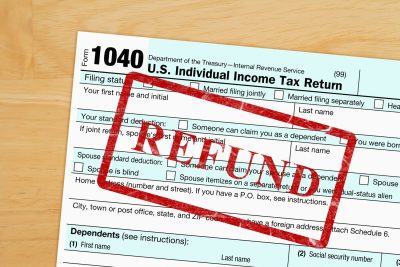
One of the biggest rule changes that needs to happen is a change to the threshold at which Social Security benefits become taxable. These thresholds are based on provisional income, which is half of all Social Security benefits, all taxable income, and some non-taxable income.
Once your provisional income hits $25,000 as a single filer or $32,000 as a married joint filer, taxes on benefits begin. Depending on your specific income level, up to 85% of your benefits could be hit with federal income tax — which is a lot, considering these are benefits you earned by paying taxes on Social Security.
The problem is, when tax was originally imposed on Social Security benefits as part of reforms in the 1980s, the threshold at which the taxes kicked in was not indexed to inflation. So, while only a small percentage of retirees were supposed to pay these taxes, now close to 50% do. These thresholds should be adjusted up to ensure that only high earners are being taxed on benefits as originally intended, because right now, retirees with not very much money are being asked to give Uncle Sam a cut of their limited retirement funds.
2. How COLAs are calculated
The next big rule change that’s in order is a change to the way Cost of Living Adjustments are calculated. COLAs are awarded in most years with the goal of avoiding lost buying power due to inflation. Sadly, this system is not working, and the Senior Citizens League estimates retirement benefits have lost around 20% of their buying power since 2010. The problem is that the formula used to calculate COLAs measures year-over-year price increases based on the Consumer Price Index for Urban Wage Earners and Clerical Workers (CPI-W).
Since CPI-W’s basket of goods and services is based on the spending habits of urban wage earners and clerical workers, healthcare and housing are not weighed as heavily as they should be. Seniors spend more in these areas, where inflation tends to be higher, so COLAs fall short of providing retirees with the benefit bumps they need to avoid losing ground. Some have suggested a change so the formula uses the Consumer Price Index for the Elderly, and that seems like a no-brainer.
3. Earnings test for current retirees
Another rule change that should be made relates to the earnings test for current retirees. Currently, if a retiree claims Social Security benefits before their full retirement age and they want to work while collecting benefits, they could run into trouble. Once their earnings exceed a certain limit (which varies by year and varies based on whether they’ll hit FRA at some point in the year or not), they begin to forfeit benefits.
Unfortunately, this makes double dipping impossible. There’s no clear justification for why retirees can’t choose to both work and claim Social Security early and accept the reduced benefit that comes with that early claim — especially as they are allowed to work as much as they want after hitting FRA. Changing this rule would give seniors more flexibility to phase into retirement while collecting Social Security as they continue to work on a reduced schedule.
4. Application rules
New Social Security rules have recently been put into place that require retirees to apply online or in person for benefits, rather than being able to apply by phone. Since Social Security offices are often far away and understaffed, and since seniors may be wary of using technology, this rule could make life much more difficult for retirees with very limited benefits. The old rules should be restored that allow phone applications, since as many as four in 10 seniors used to use this method before the change.
5. Limits on rescinding a benefits claim

Finally, there’s a rule that says you can rescind your benefits claim if you regret it, as long as you pay back the benefits you’ve collected. You’re only allowed to do this if you rescind your claim within the first 12 months, though. This means seniors who discover after a year that they wish they’d waited to claim benefits have no option to go back and undo the mistake. If a retiree is willing to repay the money they collected, this deadline could be a little longer — especially given how confusing it is to decide when to claim.
Ultimately, many of these rules are not likely to change, although they should. Retirees will need to work within the current system to maximize their benefits, and should consider getting help from an advisor in making their claiming choice so they can make the most of their funds, aim to limit their tax liability, and avoid making a choice they come to regret.













 Top Gaining Stocks
 Top Losing Stocks