



Social Security benefits are not as high as many people might expect. In fact, if you are trying to live on your Social Security alone, you may find yourself with very little money to spare, and you may struggle to afford the basics. That’s because Social Security is only meant to replace 40% of pre-retirement earnings, and most people simply can’t get by on so little.
To really understand just how ungenerous Social Security benefits can be, let’s take a look at how the average benefit compares with the poverty level in the U.S. The information is based on the average monthly benefit by state published in the Social Security Administration’s 2024 snapshot, as well as a federal poverty level of $15,650.00, which is the federal poverty level for a household of one.
1. Alabama

The average annual benefit in Alabama is $22,269.12, which is $6,619.12 above the federal poverty level for a single-person family.
2. Alaska
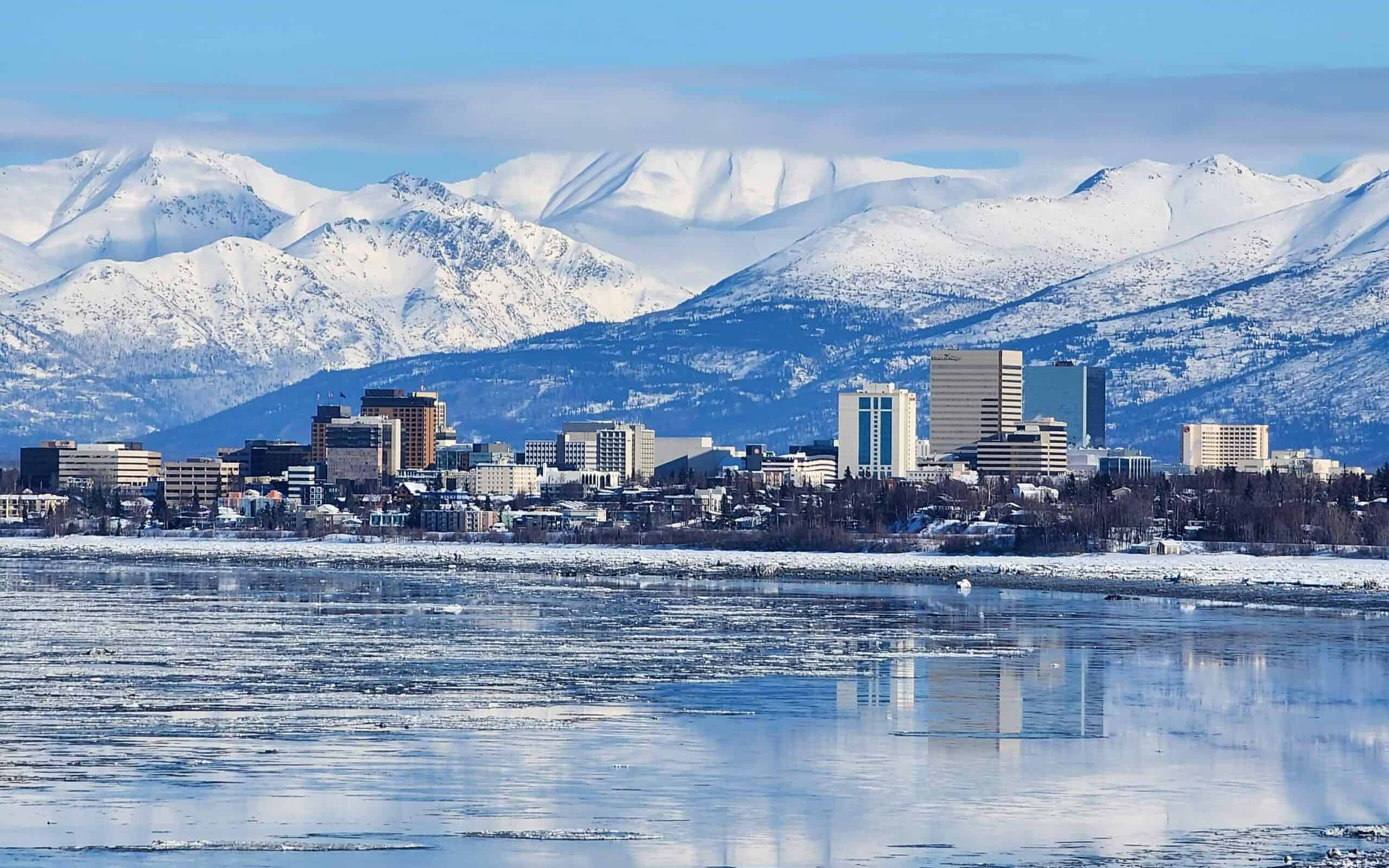
The average annual benefit in Alaska is $22,049.88. Alaska has a different federal poverty level, which is $19,550 for a family of one. So, the average benefit is $2,499.88 higher than the poverty level for Alaska.
3. Arizona

The average annual benefit in Arizona is $23,390.40, which is $7,740.40 above the federal poverty level for a single-person family.
4. Arkansas

The average annual benefit in Arkansas is $21,476.88, which is $5,826.88 above the federal poverty level for a single-person family.
5. California

The average annual benefit in California is $22,390.20, which is $6,740.20 above the federal poverty level for a single-person family.
6. Colorado
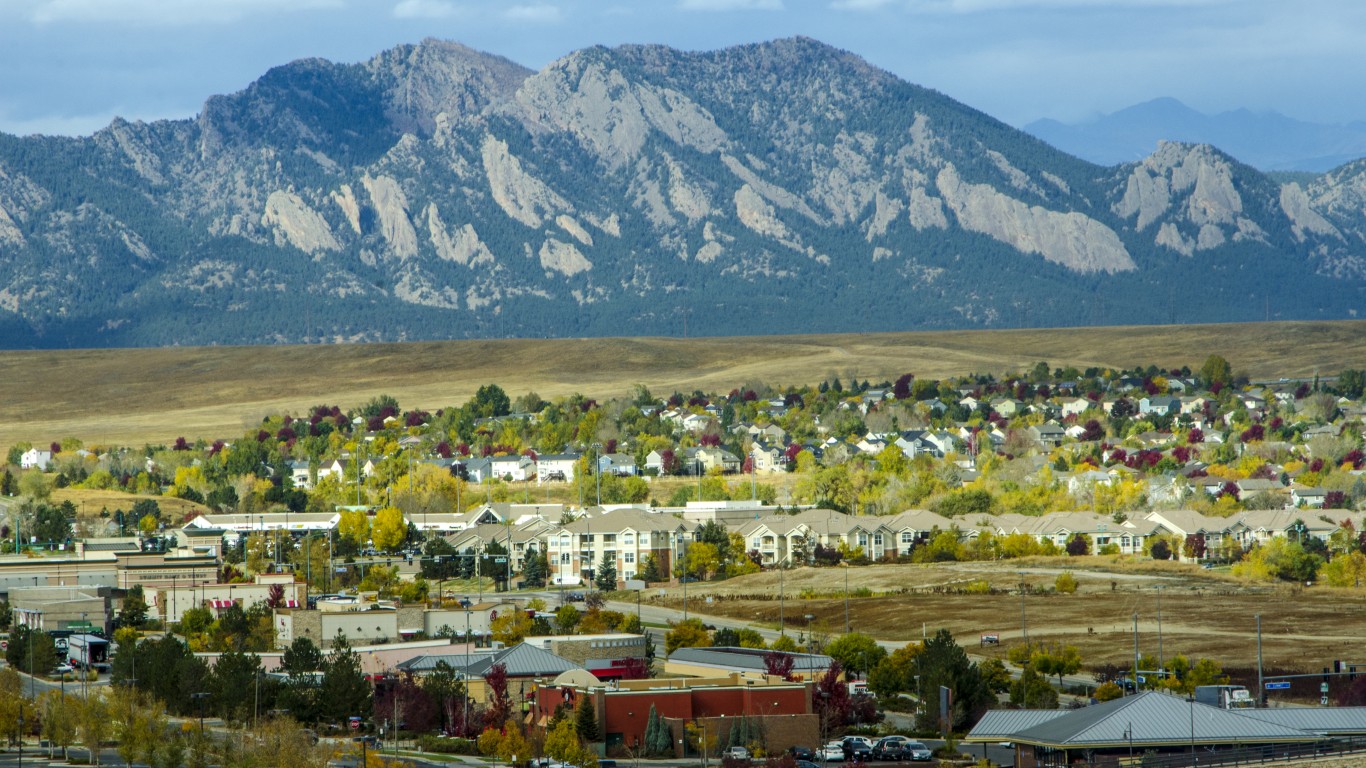
The average annual benefit in Colorado $23,494.20, which is $7,844.20 above the federal poverty level for a single-person family.
7. Connecticut

The average annual benefit in Connecticut $25,362.60, which is $9,712.60 above the federal poverty level for a single-person family.
8. Delaware

The average annual benefit in Delaware is $25,075.20, which is $9,425.20 above the federal poverty level for a single-person family.
9. Florida

The average annual benefit in Florida is $22,724.40, which is $7,074.40 above the federal poverty level for a single-person family.
10. Georgia
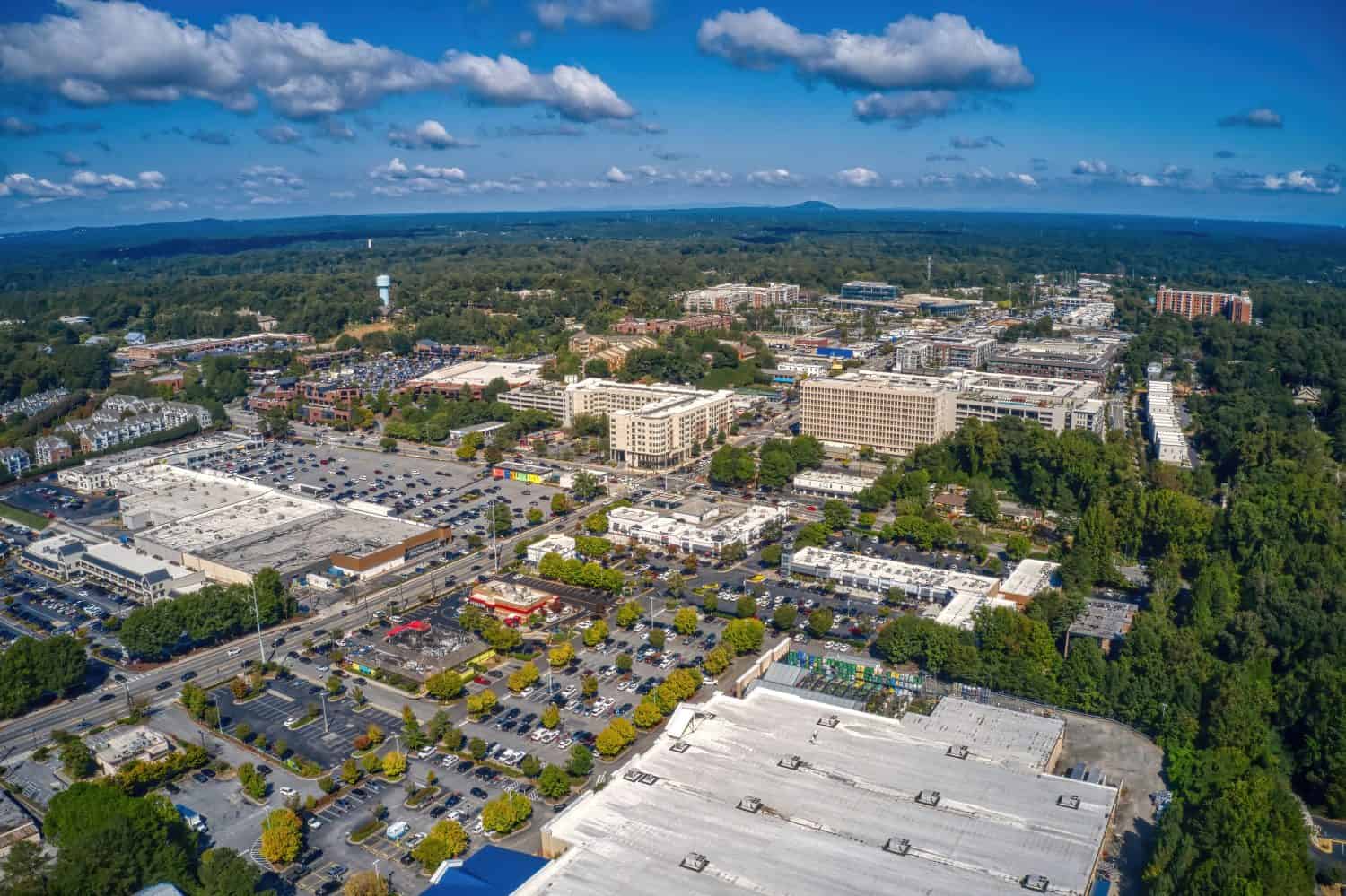
The average annual benefit in Georgia is $22,307.04, which is $6,657.04 above the federal poverty level for a single-person family.
11. Hawaii

The average annual benefit in Hawaii is $22,900.80. Hawaii also has a different federal poverty level, like Alaska does. Hawaii’s federal poverty level is $17,990, so the average Social Security check is $4,910.80 above the poverty level.
12. Idaho

The average annual benefit in Idaho is $22,563.24, which is $6,913.24 above the federal poverty level for a single-person family.
13. Illinois

The average annual benefit in Illinois is $23,208.60, which is $7,558.60 above the federal poverty level for a single-person family.
14. Indiana

The average annual benefit in Indiana is $23,588.04, which is $7,938.04 above the federal poverty level for a single-person family.
15. Iowa

The average annual benefit in Iowa is $23,056.20, which is $7,406.20 above the federal poverty level for a single-person family.
16. Kansas
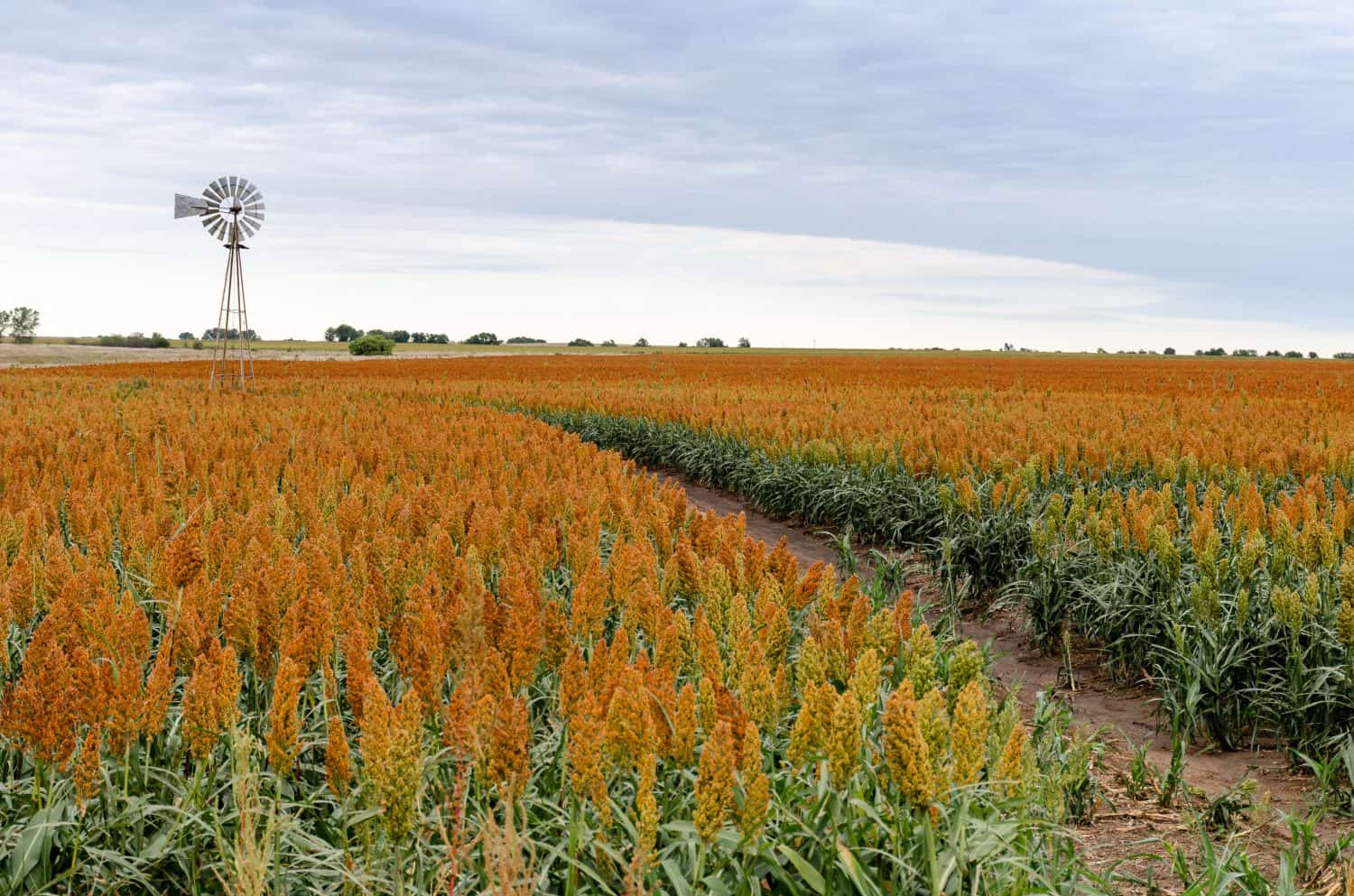
The average annual benefit in Kansas is $23,784.12, which is $8,134.12 above the federal poverty level for a single-person family.
17. Kentucky
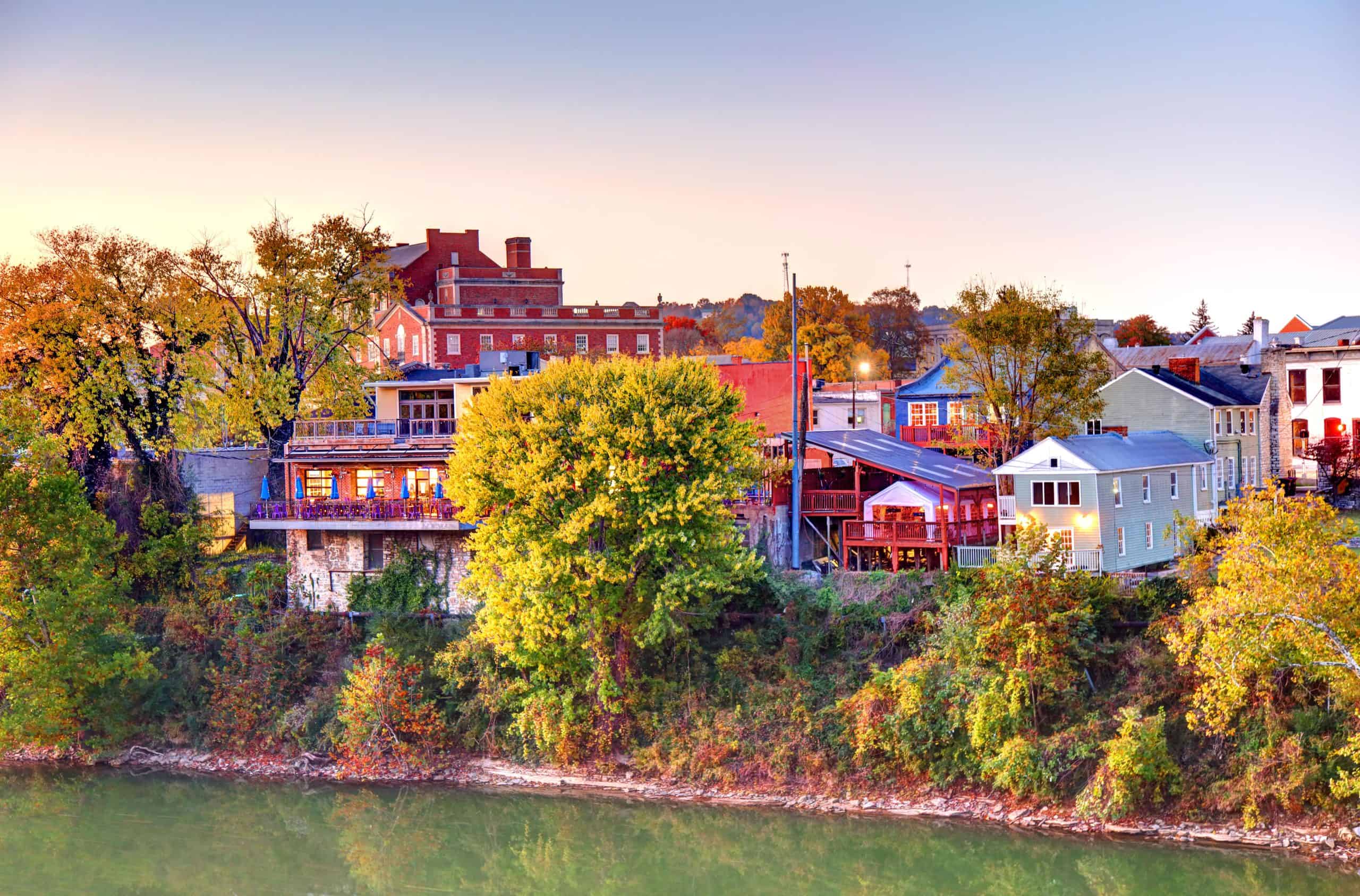
The average annual benefit in Kentucky is $21,634.56, which is $5,984.56 above the federal poverty level for a single-person family.
18. Louisiana

The average annual benefit in Louisiana is $21,810.48, which is $6,160.48 above the federal poverty level for a single-person family.
19. Maine

The average annual benefit in Maine is $21,788.28, which is $6,138.28 above the federal poverty level for a single-person family.
20. Maryland

The average annual benefit in Maryland is $25,673.40, which is $10,023.40 above the federal poverty level for a single-person family.
21. Massachusetts

The average annual benefit in Massachusetts is $24,031.20, which is $8,381.20 above the federal poverty level for a single-person family.
22. Michigan

The average annual benefit in Michigan is $23,966.76, which is $8,316.76 above the federal poverty level for a single-person family.
23. Minnesota
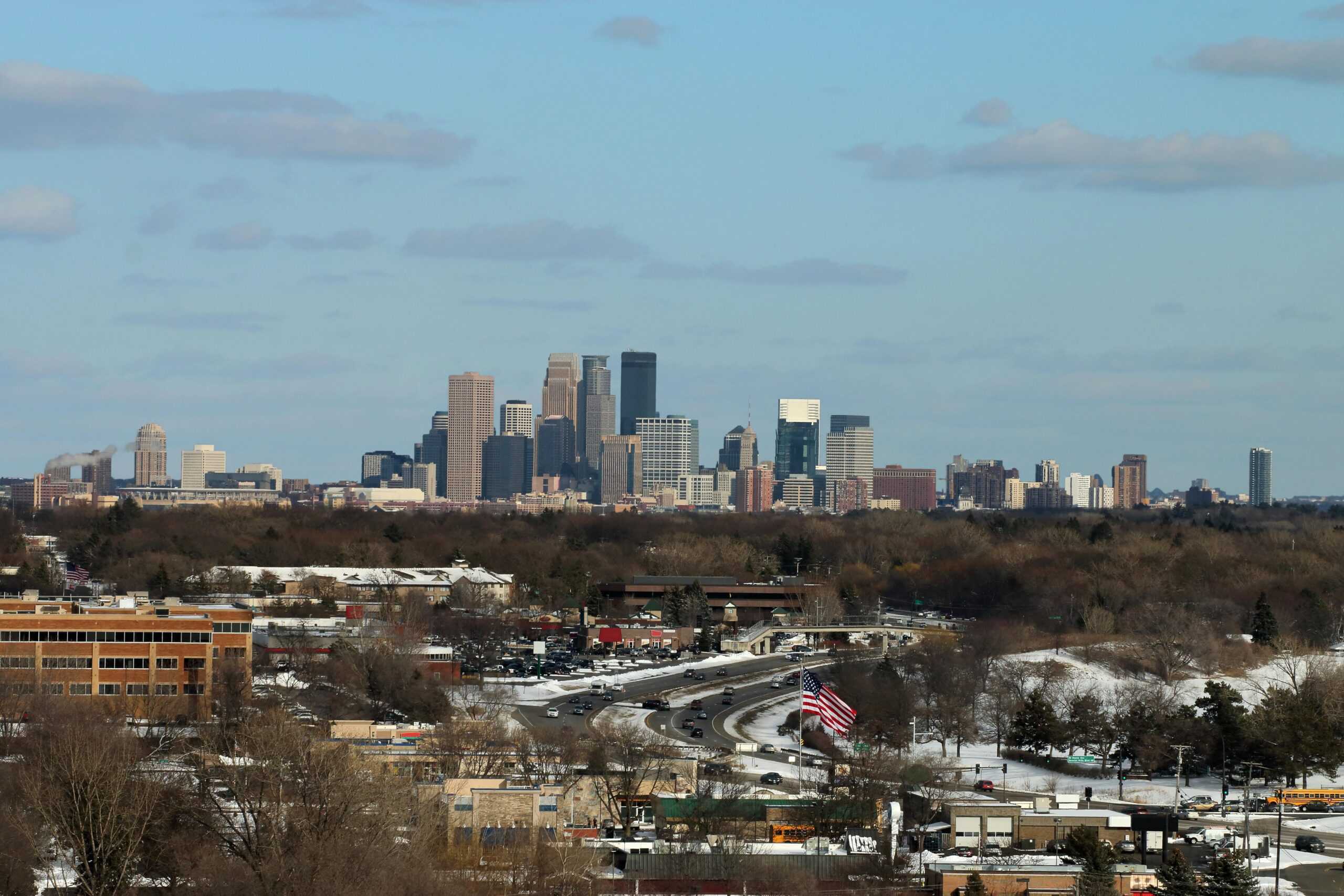
The average annual benefit in Minnesota is $24,186.96, which is $8,536.96 above the federal poverty level for a single-person family.
24. Mississippi

25. Missouri

The average annual benefit in Missouri is $22,431.84, which is $6,781.84 above the federal poverty level for a single-person family.
26. Montana

The average annual benefit in Montana is $21,807.84, which is $6,157.84 above the federal poverty level for a single-person family.
27. Nebraska
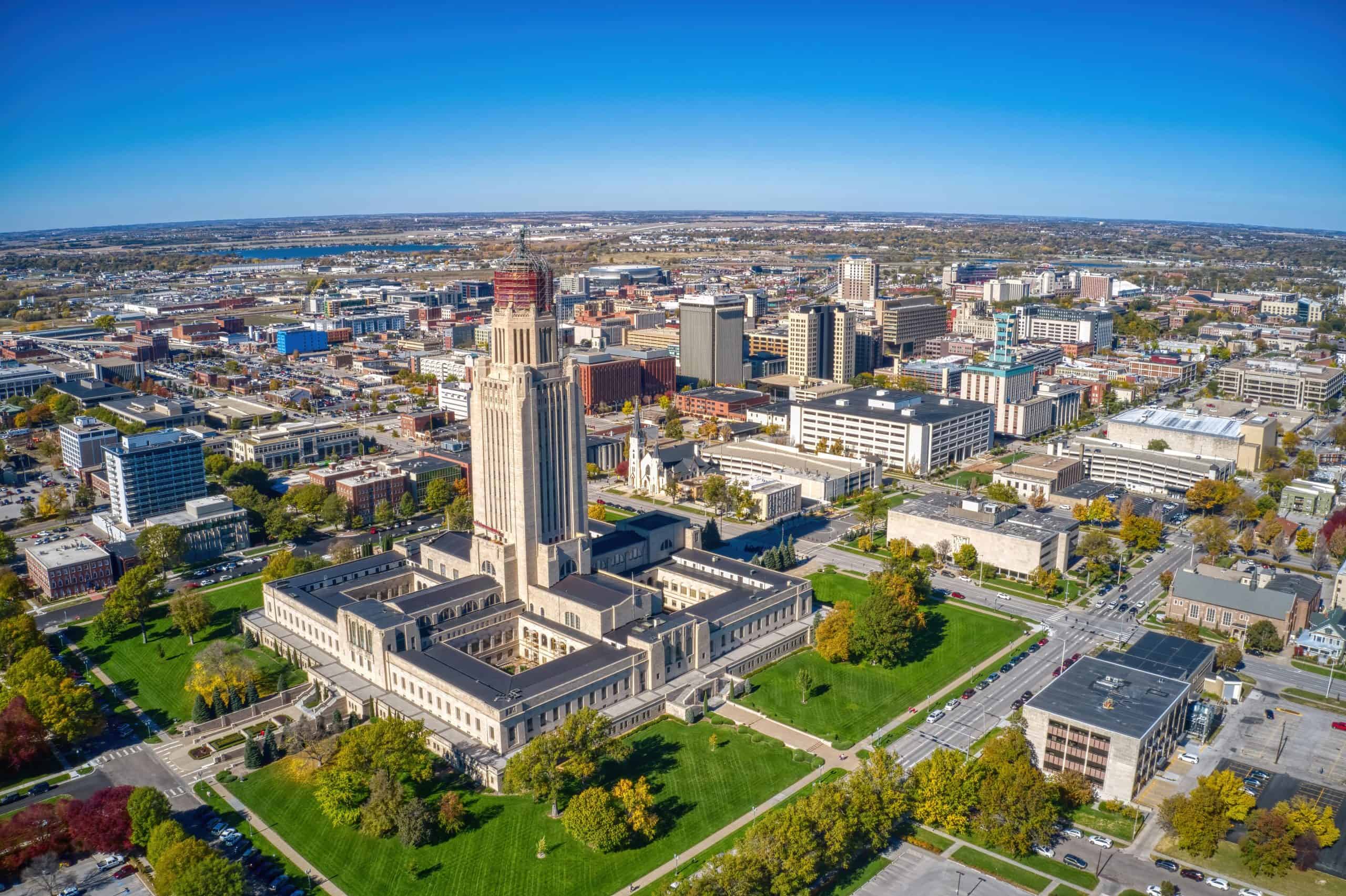
The average annual benefit in Nebraska is $23,246.76, which is $7,596.76 above the federal poverty level for a single-person family.
28. Nevada

The average annual benefit in Nevada is $22,110.24, which is $6,460.24 above the federal poverty level for a single-person family.
29. New Hampshire

The average annual benefit in New Hampshire is $25,133.16, which is $9,483.16 above the federal poverty level for a single-person family.
30. New Jersey

The average annual benefit in New Jersey is $25,324.92, which is $9,674.92 above the federal poverty level for a single-person family.
31. New Mexico

The average annual benefit in New Mexico is $21,590.76, which is $5,940.76 above the federal poverty level for a single-person family.
32. New York

The average annual benefit in New York is $23,415.84, which is $7,765.84 above the federal poverty level for a single-person family.
33. North Carolina

The average annual benefit in North Carolina is $22,912.00, which is $7,262.00 above the federal poverty level for a single-person family.
34. North Dakota

The average annual benefit in North Dakota is $22,271.64, which is $6,621.64 above the federal poverty level for a single-person family.
35. Ohio
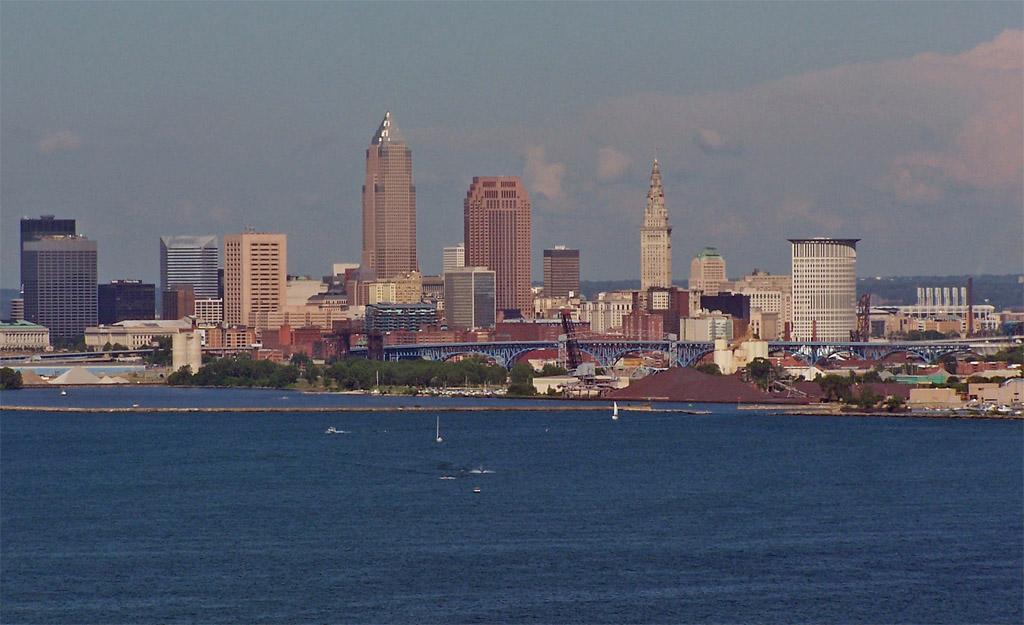
The average annual benefit in Ohio is $22,292.64, which is $6,642.64 above the federal poverty level for a single-person family.
36. Oklahoma
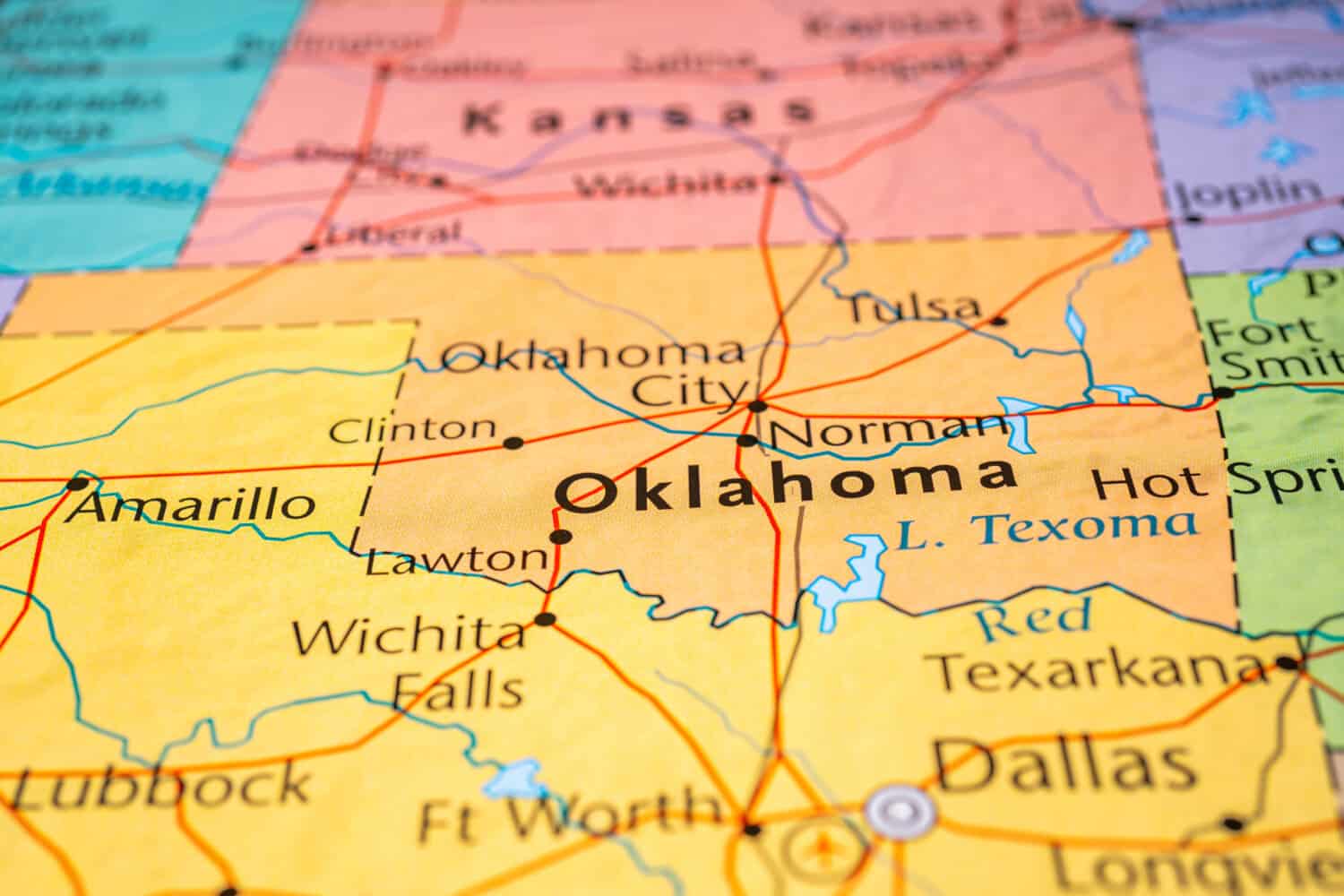
The average annual benefit in Oklahoma is $22,275.48, which is $6,625.48 above the federal poverty level for a single-person family.
37. Oregon

The average annual benefit in Oregon is $22,991.80, which is $7,341.80 above the federal poverty level for a single-person family.
38. Pennsylvania

The average annual benefit in Pennsylvania is $23,743.08, which is $8,093.08 above the federal poverty level for a single-person family.
39. Rhode Island

The average annual benefit in Rhode Island is $23,659.08, which is $8,009.08 above the federal poverty level for a single-person family.
40. South Carolina

The average annual benefit in South Carolina is $23,113.56, which is $7,463.56 above the federal poverty level for a single-person family.
41. South Dakota

The average annual benefit in South Dakota is $22,179.48, which is $6,529.48 above the federal poverty level for a single-person family.
42. Tennessee

The average annual benefit in Tennessee is $22,675.32, which is $7,025.32 above the federal poverty level for a single-person family.
43. Texas

The average annual Social Security benefit in Texas is $22,385.16, which is $6,735.16 above the federal poverty level for a single-person family.
44. Utah

The average annual benefit in Utah is $23,858.76, which is $8,208.76 above the federal poverty level for a single-person family.
45. Vermont

The average annual benefit in Vermont is $23,530.92, which is $7,880.92 above the federal poverty level for a single-person family.
46. Virginia

The average annual benefit in Virginia is $23,817.48, which is $8,167.48 above the federal poverty level for a single-person family.
47. Washington

The average annual benefit in Washington is $24,261.48, which is $8,611.48 above the federal poverty level for a single-person family.
48. West Virginia

The average annual benefit in West Virginia is $22,066.20, which is $6,416.20 above the federal poverty level for a single-person family.
49. Wisconsin

The average annual benefit in Wisconsin is $23,484.60, which is $7,834.60 above the federal poverty level for a single-person family.
50. Wyoming

The average annual benefit in Wyoming is $23,405.52, which is $7,755.52 above the federal poverty level for a single-person family.
Since benefits are so close to the federal poverty level, retirees who want to have a more lavish lifestyle will need savings to supplement Social Security. A financial advisor can help seniors create a retirement savings plan so they don’t have to struggle to get by.













 Top Gaining Stocks
 Top Losing Stocks