



Social Security is an important source of income for millions of retired seniors. But it’s not a given that you’ll get to keep your benefits in full.
Not only can Social Security be taxable at the federal level, but there are some states that tax benefits, too. Here’s a state-by-state rundown of what to expect as far as taxes go.
1. Alabama
Alabama is not a state that taxes Social Security. It also has the benefit of offering a fairly low cost of living for retirees.
2. Alaska

Although Alaska doesn’t tax Social Security, it may not be an ideal state to retire in. Aside from the harsh weather for much of the year, living costs in Alaska can be high.
3. Arizona

Arizona is another state that doesn’t tax Social Security. It tends to be a popular place for retirees due to its warn climate.
4. Arkansas

Retirees don’t pay state taxes on Social Security in Arkansas. They may also find that the state offers a moderate cost of living.
5. California

Although California isn’t known as a particularly affordable state — for retirement or in general — it doesn’t tax Social Security. Retiring in certain parts California can be tough, but there are also benefits to consider.
6. Colorado
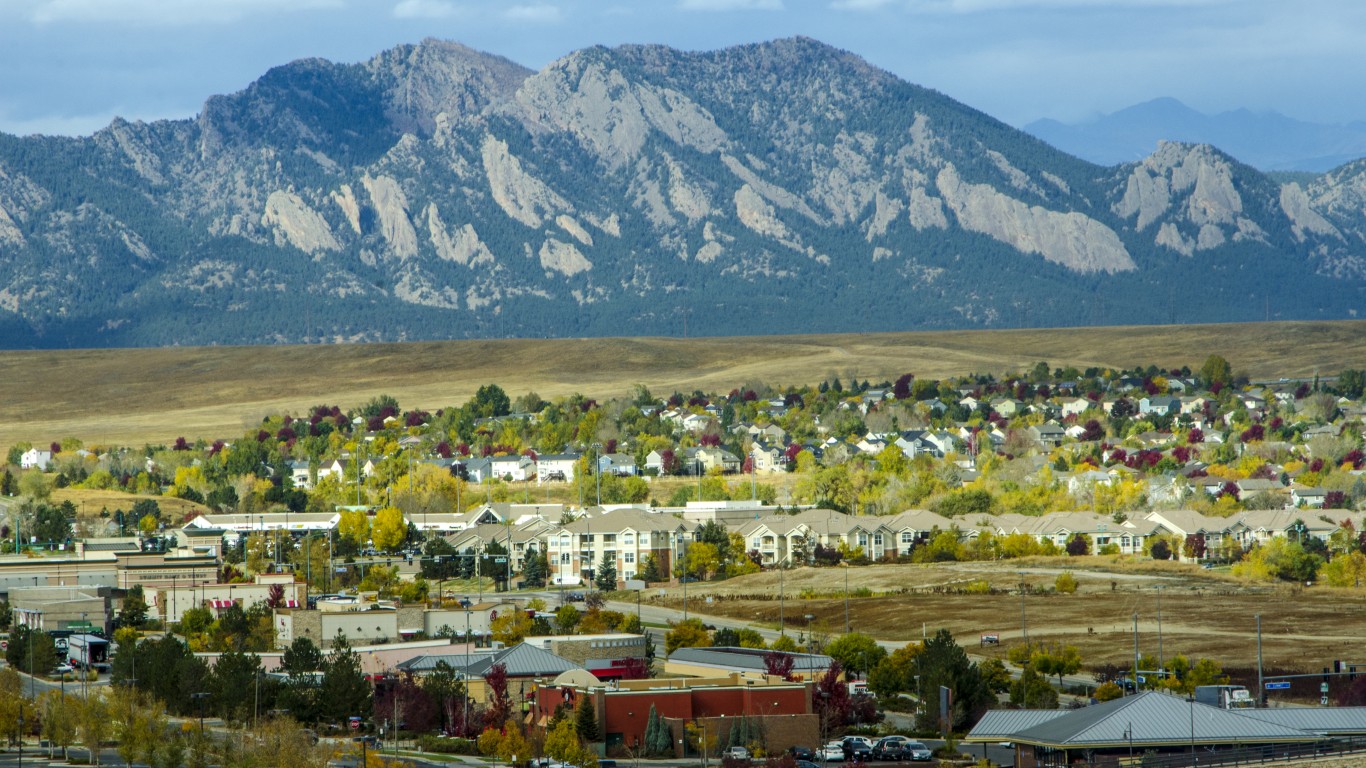
Colorado is one of the states that taxes Social Security. However, there are exemptions for moderate earners. And it’s hard to beat the scenery.
7. Connecticut

Connecticut taxes Social Security, but it gives lower earners a break. Even moderate earners may not have to pay taxes on their Social Security benefits.
8. Delaware

Although there’s a state tax in Delaware, there’s no Social Security tax at the state level. That makes Delaware a fairly affordable East Coast state to retire in.
9. Florida

Florida has long been a popular state for retirees. Not only is the weather warm year-round, but there’s no state income tax. There’s also no state tax on Social Security to worry about.
10. Georgia

Like Florida, Georgia offers the benefit of a mild climate for retirees. It also does not tax Social Security, offering seniors another break.
11. Hawaii

A lot of people would probably retire in Hawaii if it weren’t for the expense. Though there’s no state tax on Social Security, Hawaii is one of the costliest states in the country.
12. Idaho
Idaho is known as a state with moderate living costs, making it a potentially good choice for retirees. There’s also no state tax on Social Security.
13. Illinois

Escaping the harsh Midwest winters is something a good number of retirees do. But those who plan to retire in Illinois won’t have to pay state taxes on their Social Security benefits.
14. Indiana

Indiana doesn’t tax Social Security either. It’s also a relatively affordable state to retire in.
15. Iowa

Iowa is another state that doesn’t tax Social Security benefits. It also offers a fairly low cost of living for retirees.
16. Kansas

Kansas doesn’t tax Social Security, either. Some retirees find it a nice, affordable state to call home.
17. Kentucky

Kentucky is yet another relatively affordable state for retirees. It also doesn’t tax Social Security.
18. Louisiana

Louisiana does not have a state tax on Social Security. The warm climate may attract retirees, though extreme weather is a concern.
19. Maine

Maine offers the benefit of great beaches and parks. It also doesn’t tax Social Security.
20. Maryland

Maryland doesn’t tax Social Security at the state level. But parts of the state can be very costly to live in, particularly those closest to Washington, D.C.
21. Massachusetts

Massachusetts doesn’t tax Social Security. But as one of the more expensive New England states, it may not be ideal for retirees who get most of their income from those benefits.
22. Michigan

There’s no tax on Social Security in Michigan. Despite the state’s many lakes and beautiful scenery, winters can be tough for retirees.
23. Minnesota
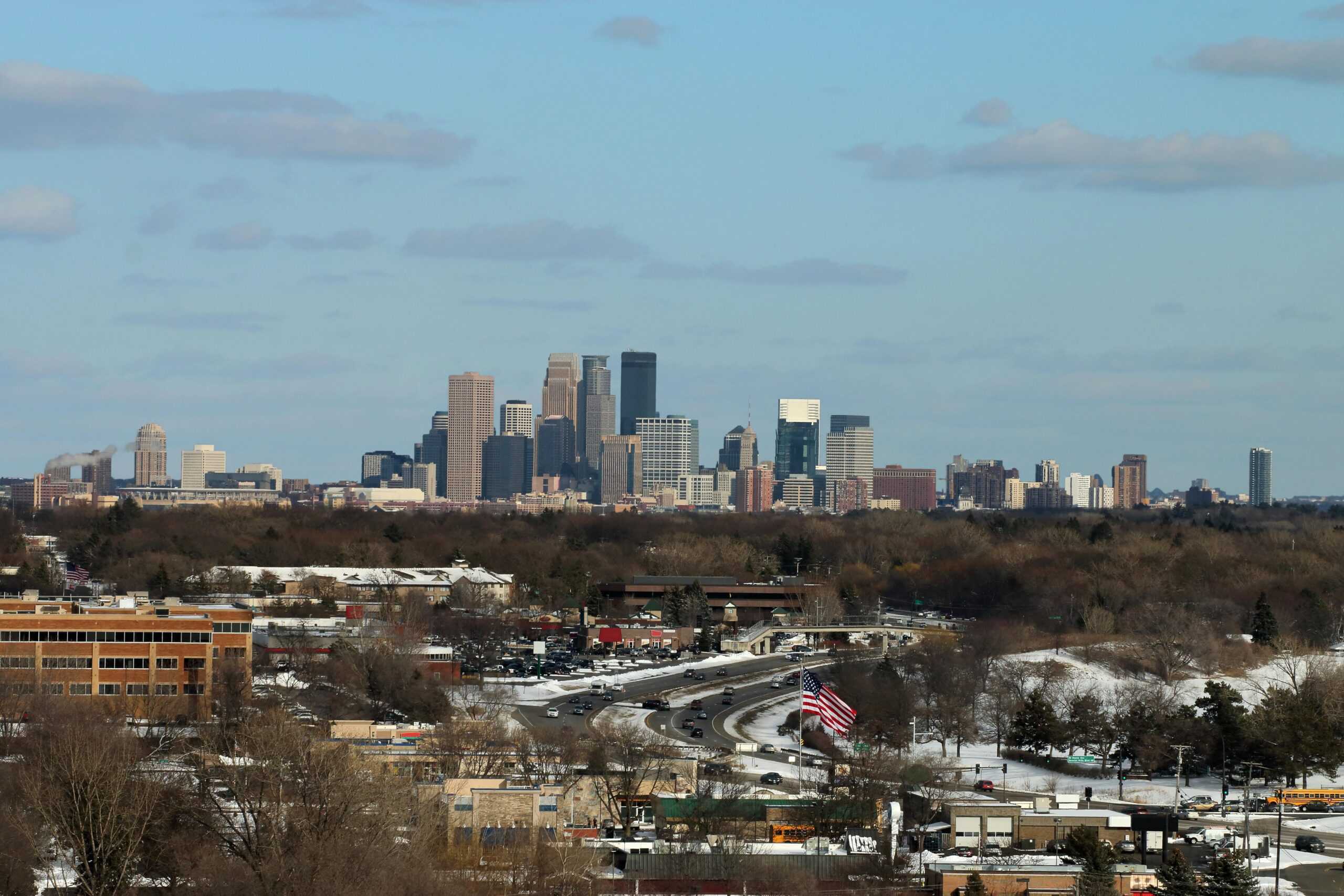
Minnesota is one of the nine states that taxes Social Security. However, it also offers an exemption for not just low, but even moderate-income retirees.
24. Mississippi

25. Missouri

The cost of living in Missouri tends to be lower than the national average. And as a plus for retirees, Missouri is not a state that taxes Social Security.
26. Montana

Montana is another state that taxes Social Security. However, there’s a proposed bill seeking to do away with that rule, so retirees could soon get a break.
27. Nebraska

Nebraska’s low costs make it a good option for retirees. There’s also no state tax on Social Security to worry about.
28. Nevada

Nevada is a fairly tax-friendly state for retirees. There’s no state income tax, and there’s no tax on Social Security.
29. New Hampshire

New Hampshire doesn’t have a state income tax, nor does it tax Social Security. However, it’s known to have pretty high property taxes.
30. New Jersey

New Jersey is not a state that taxes Social Security. But many retirees end up leaving New Jersey due to its high cost of living and property taxes.
31. New Mexico

New Mexico is among the states that put a tax on Social Security benefits. But there are exemptions for low and moderate earners.
32. New York

There’s no state tax on Social Security benefits in New York. Parts of the state may be affordable for retirees, but New York City and its suburbs may be cost-prohibitive for seniors on a budget.
33. North Carolina

It’s pretty common for people who raise their families on the East Coast to retire to North Carolina. Aside from great weather, the state offers the benefit of not taxing Social Security.
34. North Dakota

North Dakota may be an affordable place to retire, but the winters aren’t for everyone. There’s no state tax on Social Security to worry about, though.
35. Ohio

Ohio offers a fairly low cost of living, which is something retirees tend to appreciate. It also does not tax Social Security.
36. Oklahoma
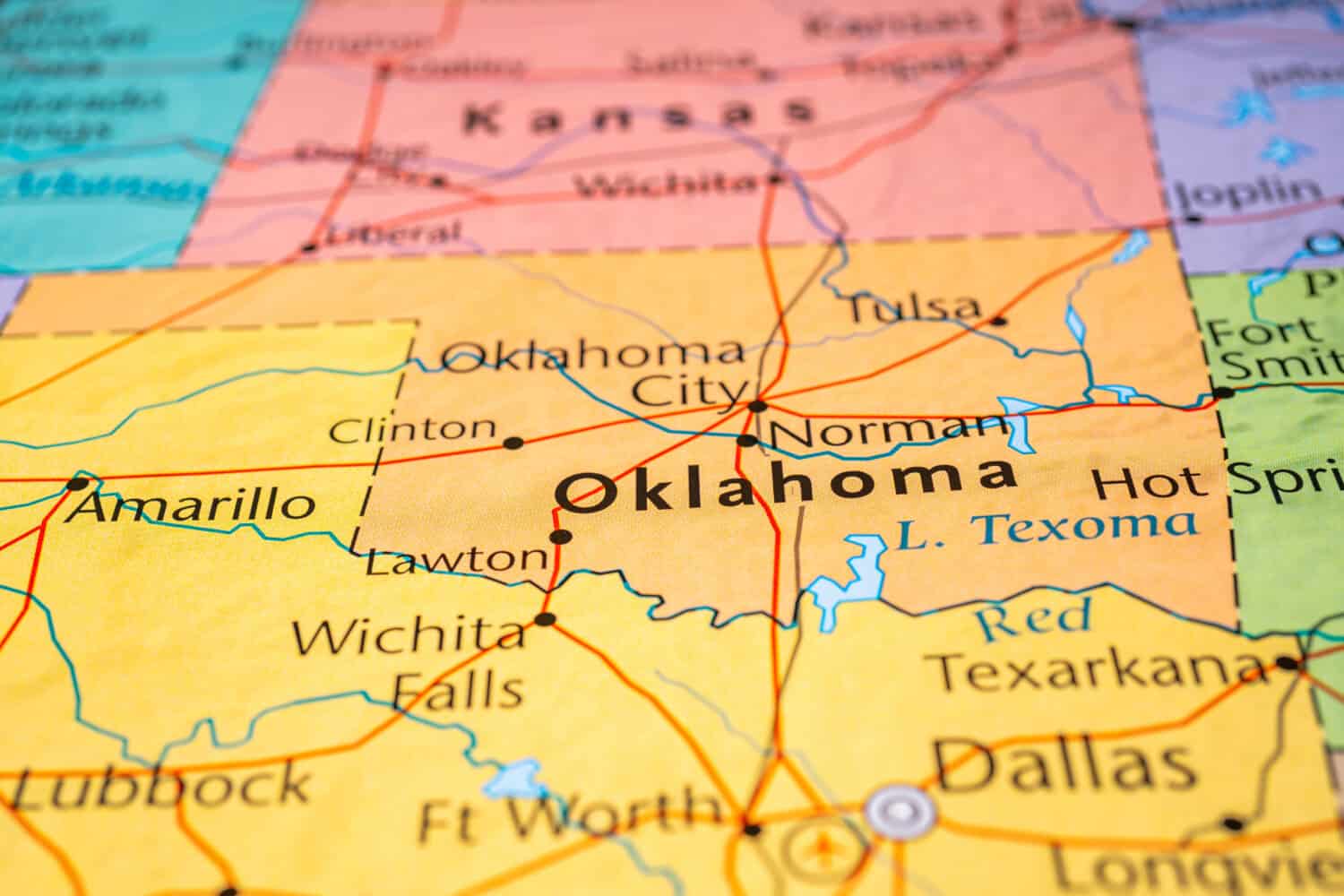
Oklahoma is not one of the states that taxes Social Security. It also has the benefit of offering a fairly low cost of living for retirees.
37. Oregon

Oregon does not tax Social Security. But retirees in the state, like all residents, face higher-than-average living costs.
38. Pennsylvania

Parts of Pennsylvania can be expensive and have high property taxes. But at least retirees do not have to worry about state taxes on their Social Security benefits.
39. Rhode Island

Rhode Island is another state that taxes Social Security. It offers an exemption for some beneficiaries, but only those who have reached full retirement age.
40. South Carolina

South Carolina also tends to be a popular state for people from the northern part of the U.S. to retire to. The fact that it doesn’t tax Social Security benefits is a plus.
41. South Dakota

South Dakota doesn’t tax Social Security. That’s not surprising, though, since there’s also no state income tax.
42. Tennessee

Like South Dakota, Tennessee has no state income tax. Retirees in Tennessee do not have to worry about their Social Security benefits being taxed.
43. Texas

They say everything’s bigger in Texas, but that doesn’t apply to taxes. There’s no state income tax, and Texas does not tax Social Security.
44. Utah

Utah imposes a tax on Social Security at the state level. However, it also offers a credit that can help retirees reduce their tax liability.
45. Vermont

Vermont is another one of the nine states that taxes Social Security. However, lower income households can typically get out of paying those taxes.
46. Virginia

Virginia does not tax Social Security benefits. Parts of the state may be affordable for retirees — namely, those farther away from the nation’s capital.
47. Washington

Washington does not tax Social Security benefits. It also does not have an income tax on wages, but some people do pay capital gains taxes at the state level.
48. West Virginia

West Virginia is one of the nine states with a tax on Social Security, but lower income households typically qualify for an exemption. West Virginia is also in the process of phasing out taxes on Social Security by 2026.
49. Wisconsin

On a national scale, Wisconsin is fairly affordable for retirees. It also doesn’t tax Social Security benefits.
50. Wyoming

Retirees in Wyoming don’t have to worry about being taxed by the state on their Social Security benefits. There’s also no state income tax in general.














 Top Gaining Stocks
 Top Losing Stocks