


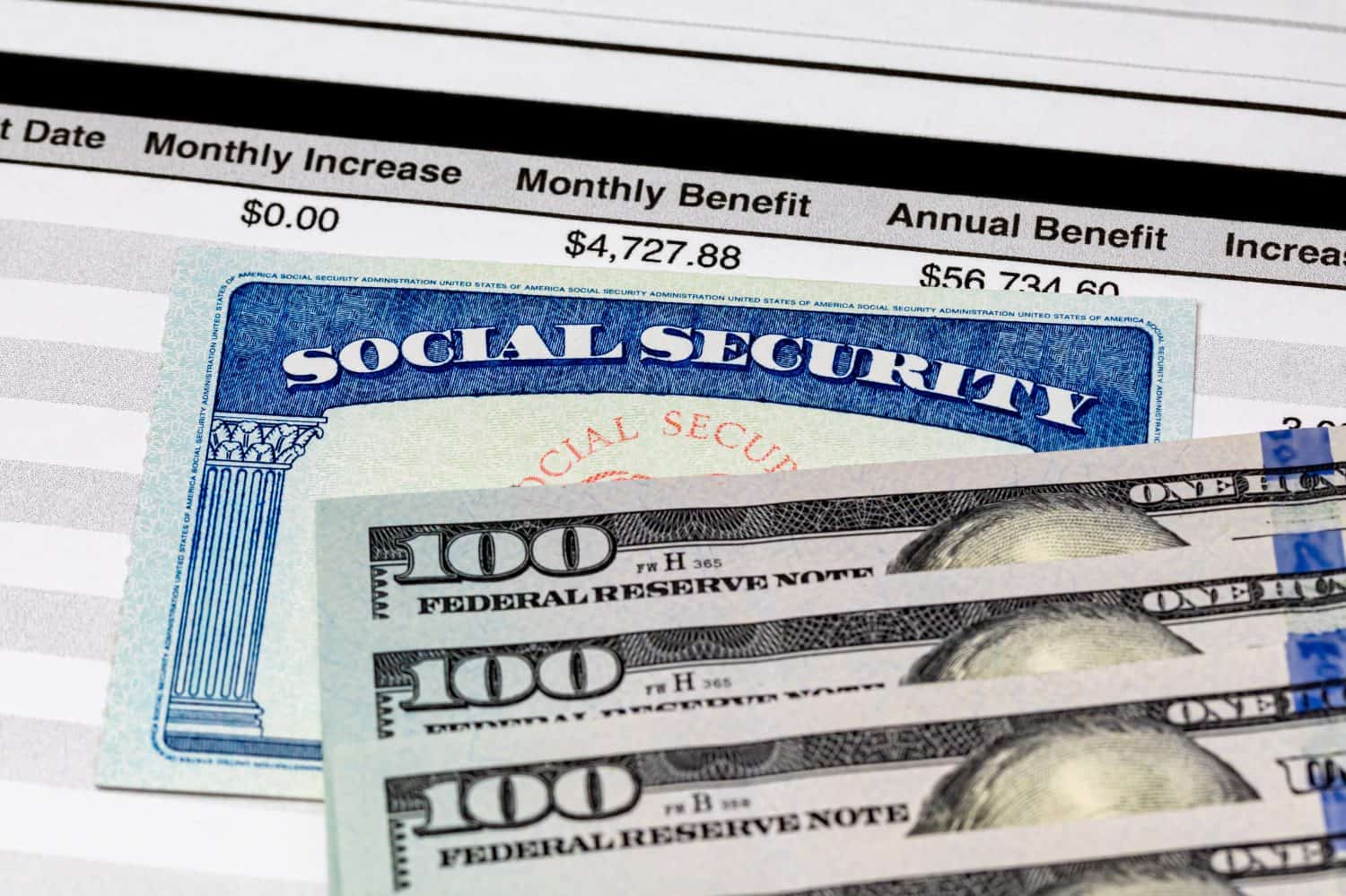
There are millions of older Americans today who rely on Social Security for income. But the money to fund Social Security has to come from somewhere. And in case you weren’t aware, that money largely comes from you — specifically, your paycheck.
If you’ve ever noticed the FICA line item on your pay stub, it stands for Federal Insurance Contributions Act. That’s the money you’re paying to help ensure that Social Security is around in the future.
To be clear, when you pay Social Security taxes, you’re not funding an account specifically for yourself. Rather, you’re helping to fund the program on a whole. The logic is that future workers will then come in and contribute to Social Security so that it can pay benefits to you once you retire, as well as pay benefits to future generations.
Some workers, however, may be looking at higher Social Security taxes in 2026 for one big reason.
Higher earners should expect to pay more
Each year, there’s a wage cap put in place that determines how much income is subject to Social Security taxes. In 2024, earnings of up to $168,600 were taxable for Social Security purposes. In 2025, earnings of up to $176,100 are taxable toward Social Security.
In 2026, the wage cap is likely to increase. As of now, we don’t know exactly how much it will increase. The Social Security Administration still needs to provide a 2026 update on the program that includes not just a new wage cap, but also, the upcoming year’s cost-of-living adjustment.
But if you earn more than $176,100 right now, and you expect your wages to stay the same or increase in 2026, then there’s a good chance you’ll be losing more of your income to Social Security taxes.
For example, say you earn $184,000 right now. This year, you don’t have to worry about paying Social Security taxes on wages beyond $176,100. But if the Social Security wage cap rises to $184,000, then you’re going to have to pay taxes on almost another $8,000 of income.
If your current income is nowhere near the current wage cap of $176,100, however, then you may not have to concern yourself with the fact that the wage cap is rising. That said, if you get a raise in 2026, you may end up having to pay more Social Security taxes.
If you earn $80,000 a year now, you’re paying a 12.4% Social Security tax rate on that sum, split evenly with your employer. If your income goes up to $83,000 in 2026, you’ll pay Social Security taxes on an additional $3,000.
Basically, the more you earn, up to a certain point, the more Social Security tax you pay. On the other hand, if you’re a very high earner, you may get away with not paying Social Security taxes on a large chunk of your income. If you have a $450,000 salary, for instance, it means that you won’t be paying Social Security taxes on the bulk of your earnings.
A necessary evil
You may not love the idea of having to pay Social Security taxes. But remember, once you retire, you may end up relying on those benefits pretty heavily to cover your costs.
Paying into the program is the only way to ensure that Social Security is available to everyone who needs it. So while it’s natural to grumble about those taxes, it’s important to recognize that they serve a very essential purpose.











 Top Gaining Stocks
 Top Losing Stocks