


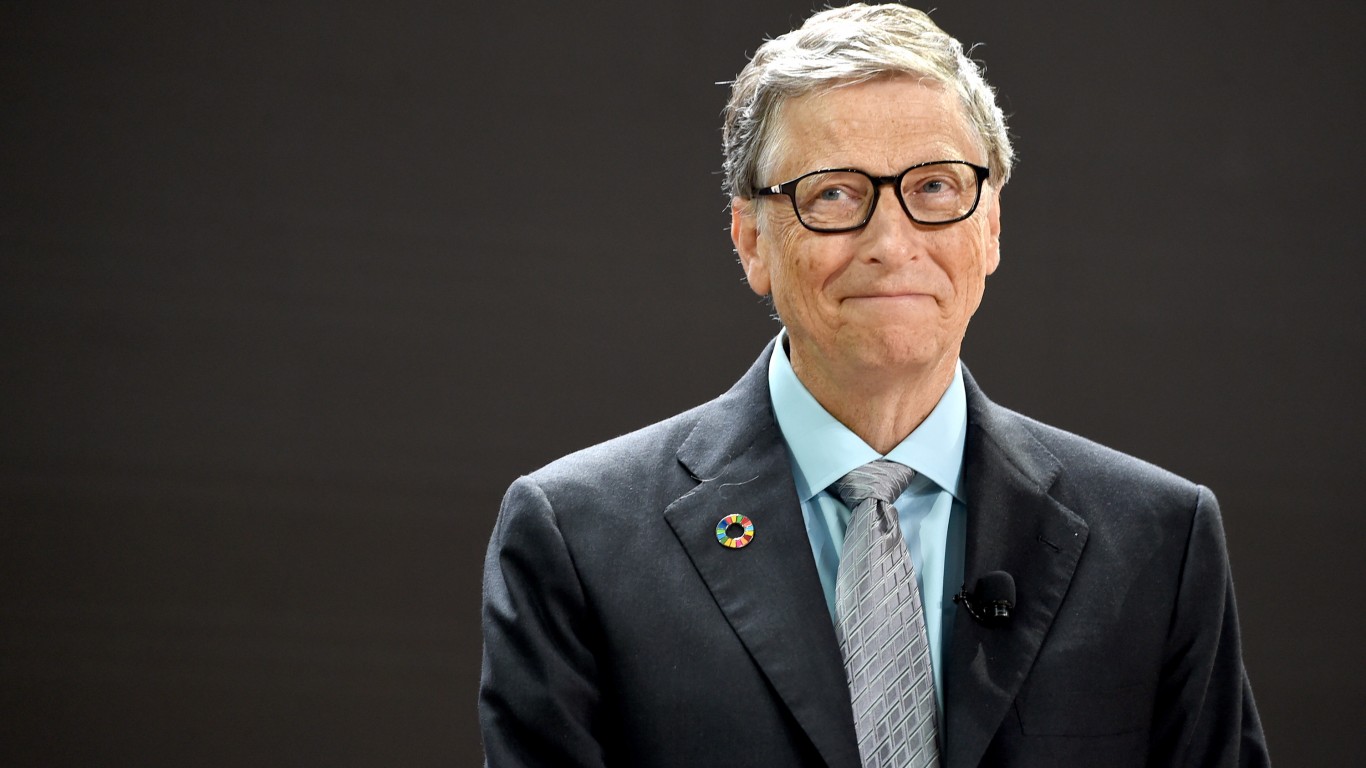
Given all that Bill Gates has learned from his friend Warren Buffett, the Bill & Melinda Gates Foundation Trust is worth tracking closely every quarter. Indeed, the stocks held within the trust are steady, well-run businesses built to fare well through the extremely long term.
And while Bill Gates’ portfolio is packed with potential, his foundation isn’t exactly the most active in the world. Indeed, there isn’t all too much action taken in any given quarter. In fact, in the first two quarters of the year, the foundation only made moves on three names. So, whenever the foundation makes a big move, it should be on the radar of investors.
Perhaps this speaks to the long-term mindset of Bill Gates, likely instilled by the great Oracle of Omaha. In any case, Bill Gates’ foundation only made one buy in the second quarter, and it was a big one. In case you missed it, his foundation added significantly to its position in Berkshire Hathaway (NYSE:BRK-B | BRK-B Price Prediction) by less than 7 million shares.
Bill Gates’ foundation makes a big bet on Berkshire in the second quarter
Of course, the foundation’s Berkshire buy represented a significant move. Still, it is noteworthy that the Gates Foundation reduced its Berkshire stake in previous quarters. Either way, Berkshire is now the second-largest holding as of the end of the second quarter, with a weighting of under 25 percent. Indeed, if there’s a stock to allocate a quarter of your portfolio to, it’s Berkshire.
It’s a diversified conglomerate that’s cash-rich and ready to make deals should opportunities become more abundant. In today’s arguably pricey market, Berkshire stands out as a way to get less exposure to the most heated parts of the tech sector with optionality to make bigger splashes should valuations begin to really come in, perhaps come the next correction or bear market. Indeed, Berkshire’s $9.7 billion OxyChem acquisition has been praised by many pundits as a pretty good deal.
Berkshire is capable of spotting deals in a pricey market
It does seem like Berkshire swooped in to get a great deal. Others think the move is a win-win for both sides. In any case, it’s a sizeable deal, but one that’s still quite small relative to the cash pile that’s built up over the last couple of quarters. The big question for investors is whether or not Berkshire can put the cash to work come the next big market downturn. It’s hard to say for sure, but let’s just say I’d be more confident owning Berkshire stock in a market sell-off than an ETF that follows the S&P 500.
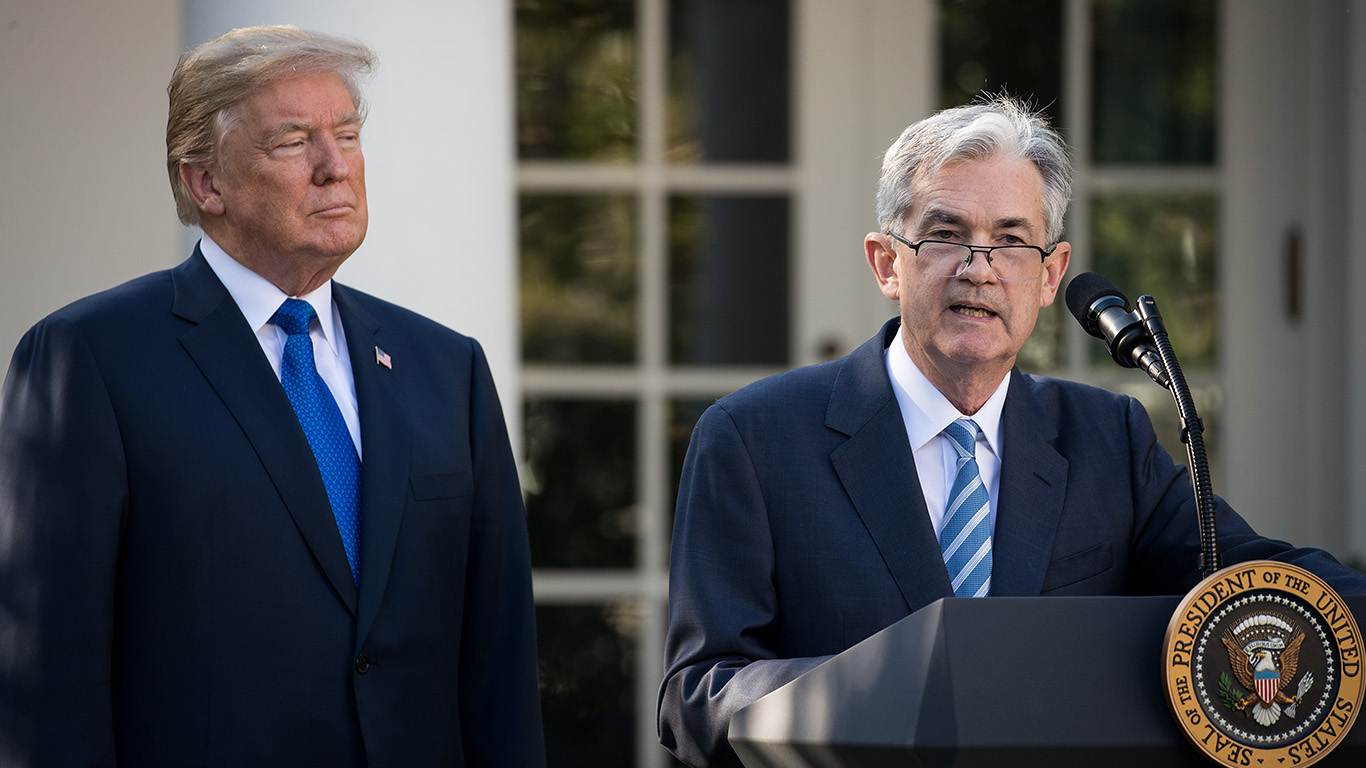
Either way, I find it encouraging that Buffett and company have spotted such a great opportunity in a market that many may describe as “fairly highly valued,” as Fed chairman Jerome Powell recently put it. If you can find value in a hot market, I’d argue that it’s a mistake to discount Berkshire’s potential, even as we enter the final few months of Buffett’s tenure as CEO.
Berkshire Hathaway in the Abel era is worth betting on
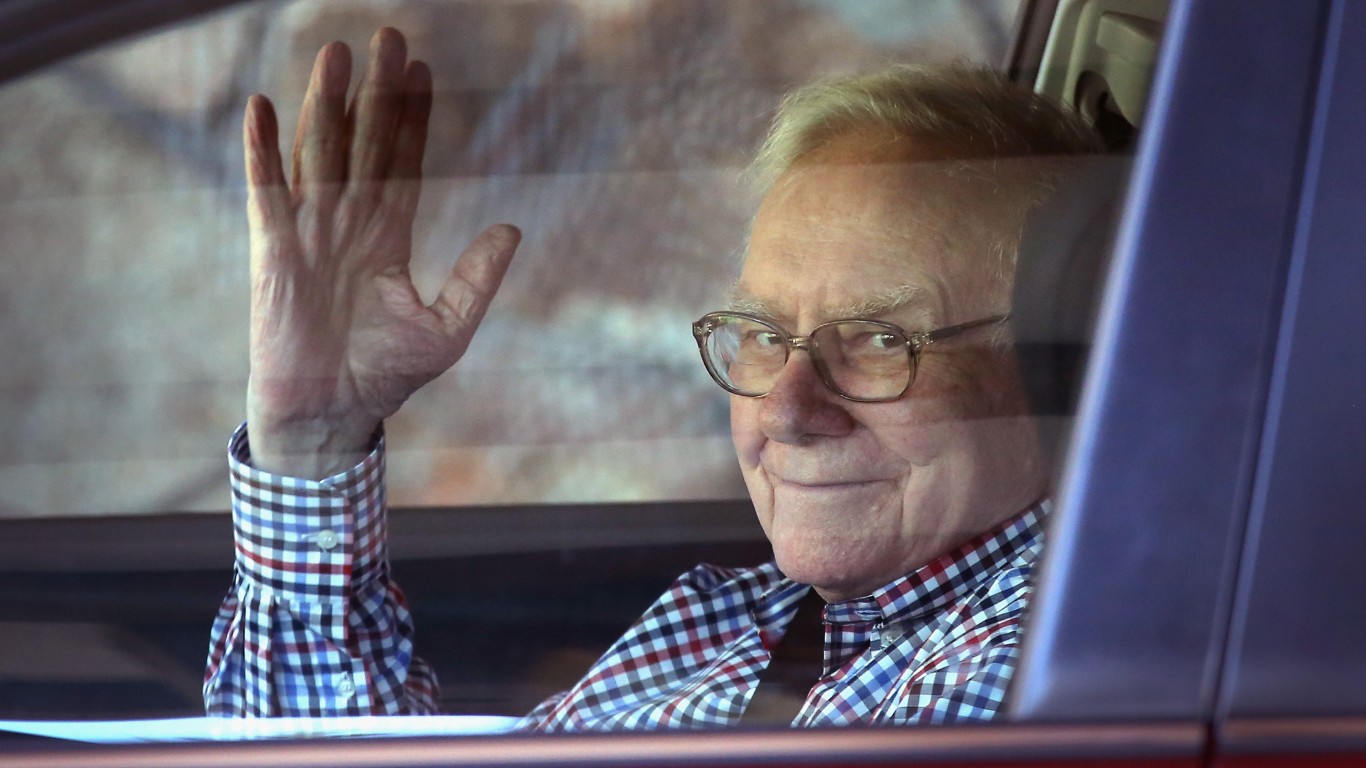
Of course, another giant question mark for new investors of Berkshire is whether the legendary conglomerate can still beat the market once Warren Buffett officially steps down at the start of next year. If you believe in Buffett’s successors who’ve been trained for this moment a long, long time ago, I think Berkshire is a great pick-up while it’s down more than 7% from its all-time high.
Indeed, Berkshire shares have trailed the S&P so far this year, thanks in part to disappointment following Buffett’s announcement to step down as CEO. Still, if you believe in Buffett’s ability to pass on his wisdom to those who’ll succeed him, I think it makes no sense to pass up on Berkshire stock right here while it’s trading at a relative discount to the market.
In my view, the Gates Foundation’s big Berkshire buy, which might have come after the post-annual meeting slump, is a vote of confidence in Berkshire after Buffett.





 Top Gaining Stocks
 Top Losing Stocks