


Dividends are an excellent vehicle for creating long-term wealth. By focusing on dividend growth stocks, investors can juice their returns for powerful generational wealth. According to data from Hartford Funds, dividend growth stocks in the S&P 500 outperform all other classes of stocks over long periods. They have also contributed significantly to total returns, even in challenging decades like the 2000s when the broader index had negative returns but dividends provided positive annualized contribution.
And what American Express (NYSE:AXP | AXP Price Prediction) CEO Stephen Squeri just said should get income investors very excited.
Why Warren Buffett Made AmEx a Core Holding
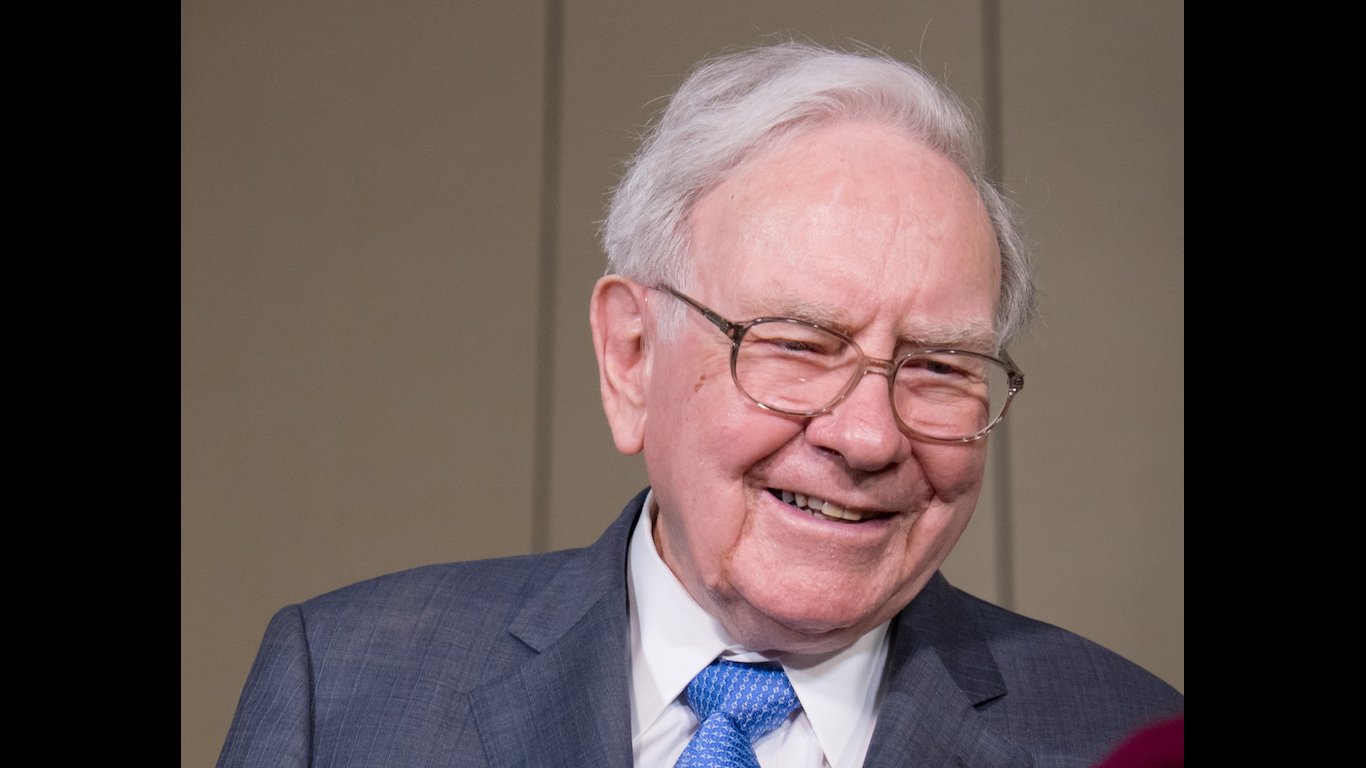
American Express has long been a favorite of Warren Buffett. His investment in the financial services giant dates back to the 1960s, but the current large position stems from the 1990s, including a $300 million purchase of preferred shares in 1991. These were later converted to common shares, and holdings grew further with a 3-for-1 stock split in 2000.
According to the latest filings, Berkshire Hathaway (NYSE:BRK-A)(NYSE:BRK-B) owns approximately 151.6 million shares of American Express. This makes it the second-largest position in the portfolio, representing 18% of the portfolio’s total holdings, just behind Apple (NASDAQ:AAPL) at 20%.
More importantly, while Buffett has trimmed positions in many stocks to raise cash in recent periods, seemingly preparing for a market crash, he has maintained his full stake in American Express without selling any shares.
The Power of Dividend Growth
American Express continues to throw off substantial cash returns through its dividend. The current yield stands at around 0.8%, meager even in comparison to the 1.1% yield of the S&P 500.
However, for long-term holders like Buffett, AmEx’s yield on cost tells a different story. Yield on cost is the annual dividend divided by the original purchase price per share. It is a critical concept for dividend investors as it measures the current dividend payment as a percentage of the stock price at the time of purchase, rather than the current market price.
For American Express, this metric highlights the power of holding a stock with consistent dividend increases. For investors who have held onto shares over many years, repeated hikes in the payout boost this effective yield significantly. Over the past decade, AmEx’s yield on cost is now 4.7%.
American Express’s strong track record of dividend reliability and growth makes it a classic dividend growth stock. It has increased its dividend at an 11% compound growth rate of over the last 10 years and at nearly 13% for the last five.
American Express’s Hidden Strength
At the Goldman Sachs U.S. Financial Services Conference last week, Squeri told analysts the company’s credit quality and customer base is second to none.
What historically you’ve seen, if our card members get distressed, they will pay us before they pay the competition. And then, look, if it gets bad like it was at some point during COVID or what have you, what we know is we’re going to perform better than our competitors perform…Our write-off rates are lower than anybody else through bad cycles.
American Express CEO Stephen Squieri
Because it focuses on affluent customers who are less impacted by recessions, its bottom line is stronger.
Key Takeaway
This strength is particularly relevant now, as doubts about the U.S. economy mount. The latest jobs report showed unemployment rising to 4.6%, the highest level in four years. American Express is positioned to weather any economic slowdown or recession better than many peers and the broader market, thanks to its premium customer focus.
This is why it’s a quality dividend growth stock worth owning — and why Buffett has held firm without selling. It’s also why American Express deserves to be part of every income investor’s portfolio.










 Top Gaining Stocks
 Top Losing Stocks